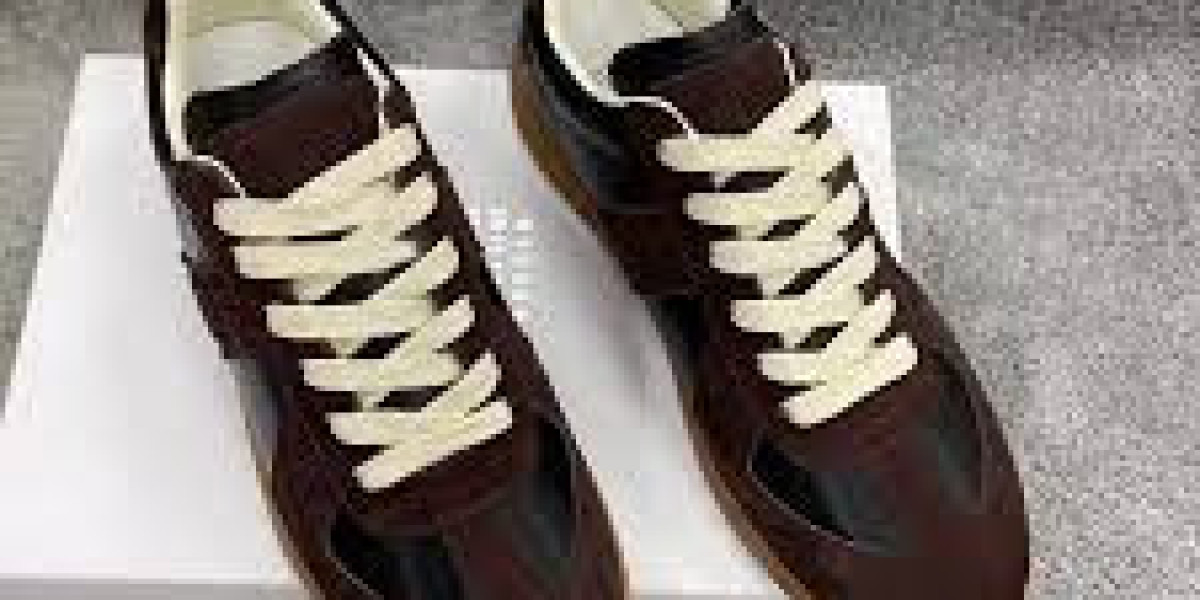

Sneaker culture has evolved dramatically over the past few decades, Muddyrivernews.Com with sneaker replicas, commonly referred to as "sneaker reps," emerging as a significant trend. This article delves into the world of sneaker reps, exploring their appeal, the ethical implications, and their impact on the sneaker community.

What Are Sneaker Reps?
Sneaker reps are imitation sneakers that closely resemble the original designs of popular brands, often at a fraction of the cost. They are produced by third-party manufacturers and are not officially sanctioned by the brands they mimic.
Key Characteristics of Sneaker Reps:
- Cost-Effective: Typically priced between $50 to $150, compared to the original versions which can range from $100 to over $300.
- High Similarity: Many sneaker reps boast quality and design features that closely mimic their authentic counterparts.
- Variety: A wide range of styles and models are available, from classic Jordans to the latest Yeezys.
Why Are Sneaker Reps Popular?
The popularity of sneaker reps can be attributed to several factors:
- Affordability: The high prices of authentic sneakers make them inaccessible to many sneaker enthusiasts.
- Fashion Statement: Sneakers are not just footwear; they are a part of personal style and identity. Sneaker reps allow individuals to express their fashion sense without breaking the bank.
- Access to Limited Editions: Many sneaker enthusiasts are unable to secure limited-edition releases. Sneaker reps provide an alternative for those who want the look without the hassle.
The Ethical Debate Surrounding Sneaker Reps
While sneaker reps offer affordability and accessibility, they also raise ethical questions:
- Intellectual Property: Sneaker reps infringe on the intellectual property rights of original brands, leading to potential legal implications.
- Quality Assurance: The quality of sneaker reps can be inconsistent, leading to dissatisfaction among consumers.
- Impact on the Market: The proliferation of sneaker reps can devalue authentic sneakers, affecting collectors and enthusiasts who invest in original pairs.
The Sneaker Rep Market
The sneaker rep market has grown significantly, fueled by online platforms and social media. Here’s a closer look at the market dynamics:
| Aspect | Details |
|---|---|
| Market Size | Estimated to be worth millions globally |
| Top Platforms | Websites like AliExpress, DHGate, and social media groups |
| Consumer Demographics | Primarily young adults and teenagers, often with limited budgets |
How to Spot Sneaker Reps
For those who wish to avoid purchasing sneaker reps, here are some tips to identify them:
- Price Check: If a deal seems too good to be true, it probably is. Authentic sneakers rarely go on sale for significant discounts.
- Quality of Materials: Sneaker reps often use inferior materials. Check for stitching quality, glue marks, and overall craftsmanship.
- Packaging: Authentic sneakers typically come with branded packaging, while reps may have generic or poorly made boxes.
- Serial Numbers: Authentic sneakers have unique serial numbers that can often be verified through the brand's official website.
The Future of Sneaker Reps
As sneaker culture continues to grow, so too will the sneaker rep market. Brands are taking notice, and some are even exploring ways to offer more affordable lines without compromising on quality.
Potential Trends:
- Increased Regulation: Brands may push for stricter regulations against counterfeit products, impacting the availability of sneaker reps.
- Collaboration with Reps: Some brands might explore collaborations with rep manufacturers, creating a new market segment that offers quality at a lower price.
- Consumer Education: As awareness grows, consumers may become more discerning, leading to a shift in how reps are perceived and purchased.
Conclusion
Sneaker reps represent a complex intersection of fashion, economics, and ethics within sneaker culture. While they provide a viable option for many sneaker enthusiasts, the implications of their existence cannot be overlooked. As the sneaker industry evolves, it will be interesting to see how brands and consumers navigate the challenges and opportunities presented by sneaker reps.
In summary, whether one views sneaker reps as a necessary alternative or a threat to authenticity, their impact on sneaker culture is undeniable. The conversation surrounding them is likely to continue as the sneaker community grows and changes.