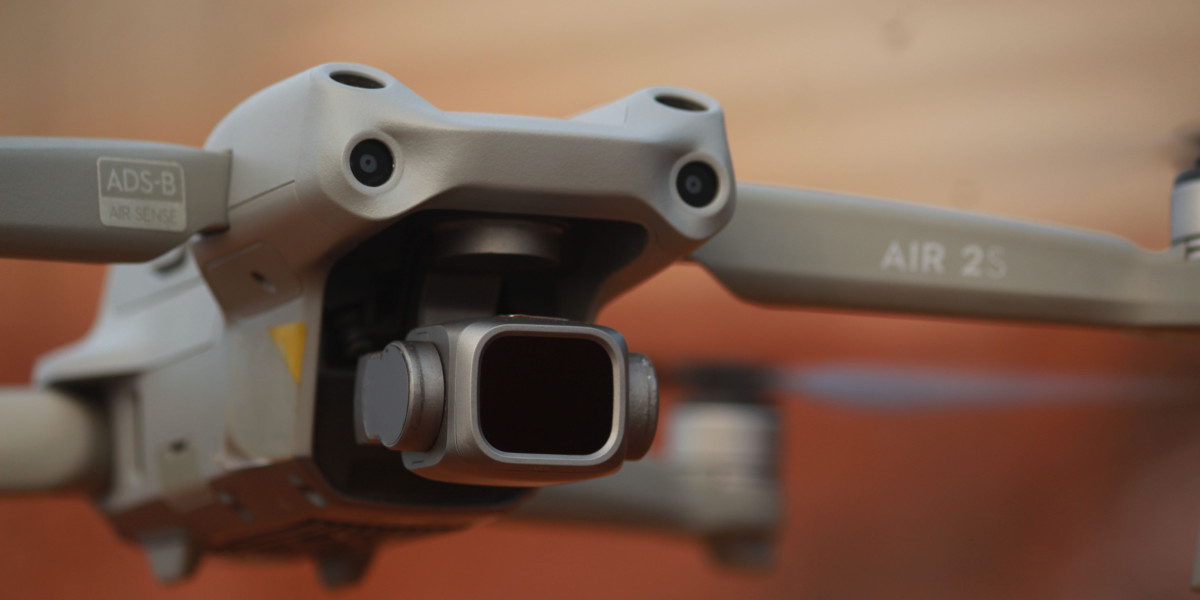

The Military UAV Sensor Market is becoming an important part of modern defense operations as military organizations increasingly depend on unmanned aerial vehicles for surveillance, reconnaissance, intelligence gathering, and mission support. Military UAVs are designed to perform operations in environments where traditional aircraft may face operational limitations. Sensors installed on these platforms help collect valuable information, identify potential threats, observe surrounding activities, and support informed decision-making. As defense requirements continue to evolve, sensor technologies are gaining importance in improving the operational capabilities of unmanned aerial systems.
One of the major areas supporting this development is military surveillance sensor technology, which enables unmanned aerial vehicles to collect information from different environments. These sensors help military personnel observe activities, monitor locations, and gather intelligence without requiring personnel to enter potentially dangerous areas. Their ability to support continuous observation makes them valuable for modern defense strategies. The integration of advanced sensing technologies is also helping improve the flexibility and usefulness of UAV platforms across different military applications.
Military UAV sensors include several technologies designed to perform specific functions. Electro-optical sensors support visual observation and image collection, while infrared sensors help identify heat signatures and observe activities in low-visibility environments. Radar sensors assist with detecting objects and monitoring surrounding areas. Other sensing technologies can support environmental monitoring, navigation, and specialized intelligence applications. Each sensor type contributes to the overall functionality of an unmanned aerial vehicle.
Another important factor influencing the market is the growing requirement for intelligence, surveillance, and reconnaissance operations. Military forces need accurate and timely information to understand changing situations and coordinate their activities effectively. UAV-mounted sensors provide an aerial perspective that can complement information collected through ground-based systems and traditional aircraft. Their ability to operate remotely also creates opportunities for monitoring locations that may be difficult to access.
The integration of artificial intelligence and advanced data-processing technologies is further influencing the development of military UAV sensors. Modern systems are increasingly designed to process collected information and identify relevant patterns. These capabilities can help reduce the amount of information that operators need to review manually. Improved processing also supports faster interpretation of visual information and helps military personnel understand changing operational environments.
Sensor miniaturization is another significant development. Manufacturers are working toward creating compact sensing systems that can be integrated into different UAV platforms. Smaller components can help support flexible platform designs while maintaining useful sensing capabilities. This is particularly relevant for unmanned aircraft with different payload capacities and operational requirements.
Connectivity is also becoming increasingly important. Military UAV sensors need to communicate collected information to appropriate command and control systems. Reliable communication helps operators receive information and coordinate activities. The integration of secure communication technologies and improved data-management capabilities can support more effective information sharing across military operations.
The Military UAV Sensor Market is also influenced by the increasing importance of interoperability. Defense organizations often operate multiple unmanned platforms and surveillance technologies. Sensors that can integrate with existing systems can help create more coordinated operational environments. Compatibility between equipment, communication systems, and data-processing platforms is therefore an important consideration for manufacturers.
Looking ahead, continued development in imaging, radar, infrared detection, artificial intelligence, and sensor integration is expected to shape the military UAV sensor industry. The growing importance of unmanned systems in defense planning is creating opportunities for technological innovation. As military requirements become more complex, advanced sensors will remain an important component of aerial surveillance and intelligence capabilities.
FAQs
Q1. What is the Military UAV Sensor Market?
The Military UAV Sensor Market focuses on sensing technologies used in military unmanned aerial vehicles for surveillance, reconnaissance, intelligence gathering, detection, and other defense-related applications.
Q2. Which technologies are commonly used in military UAV sensors?
Common technologies include electro-optical sensors, infrared sensors, radar systems, imaging technologies, and other specialized sensing solutions.



