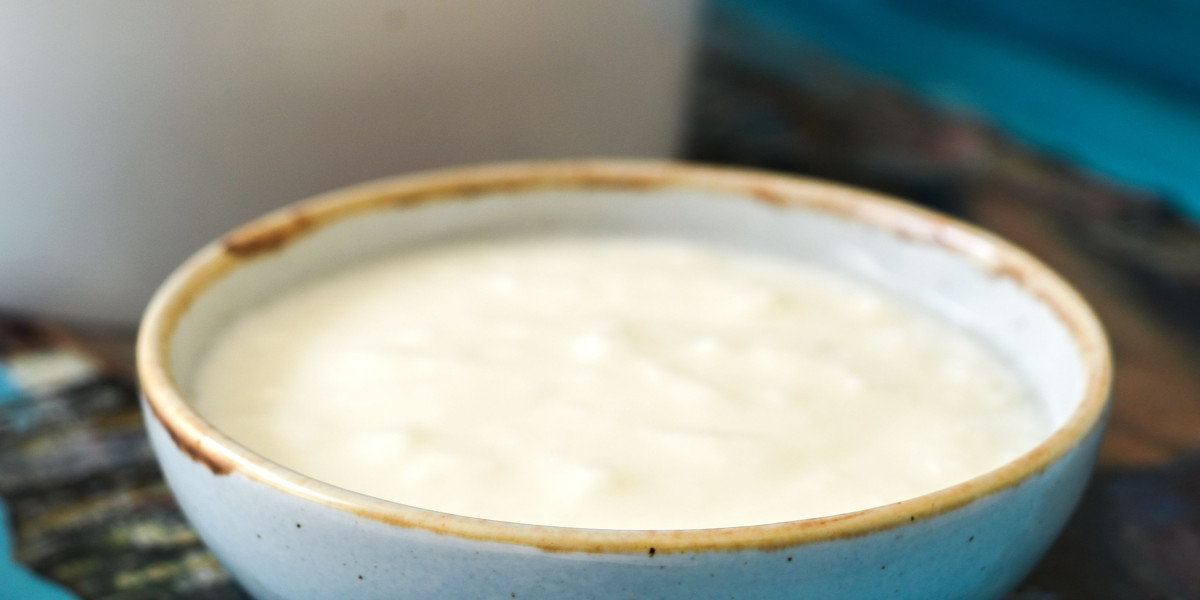

The probiotic fermented milk market is gaining attention as consumers increasingly explore dairy products that combine traditional nutrition with functional benefits. Fermented milk has long been an important part of food cultures across different regions, offering distinctive flavors, textures, and nutritional characteristics. With changing lifestyles and growing interest in balanced diets, probiotic fermented milk products are becoming an attractive option for consumers seeking convenient dairy choices. Manufacturers are responding to these preferences by introducing innovative products, improving production processes, and expanding their product portfolios.
The growing interest in functional dairy products is creating opportunities for businesses operating in this industry. Products developed around probiotic dairy beverages are attracting attention because they combine familiar dairy ingredients with beneficial microorganisms. This product category allows manufacturers to explore different formulations, flavors, packaging approaches, and consumer segments while maintaining the traditional appeal of fermented milk.
Changing Consumer Preferences
Consumer preferences are playing an important role in shaping the probiotic fermented milk market. Modern customers are becoming more selective about their food choices and often consider nutritional composition, ingredient quality, taste, and convenience before purchasing dairy products. This shift is encouraging manufacturers to develop products that satisfy multiple expectations.
Consumers are also exploring food products that fit naturally into their everyday routines. Ready-to-drink fermented milk beverages offer convenience for individuals with busy schedules. Their portability and availability through different retail channels make them suitable for households, workplaces, and on-the-go consumption.
Taste remains another important consideration. Although consumers may be interested in the functional characteristics of fermented milk, they still expect products to deliver an enjoyable drinking experience. Manufacturers are therefore experimenting with different flavors, textures, and formulations to make their offerings appealing to a wider audience.
Product Innovation and Development
Innovation is becoming an important competitive factor in the probiotic fermented milk industry. Dairy manufacturers are exploring different fermentation techniques, bacterial cultures, ingredient combinations, and product formats. These developments help businesses differentiate their offerings while responding to changing customer expectations.
Product development also involves maintaining consistency in taste, texture, and quality. Fermentation is a carefully managed process, and manufacturers need suitable production conditions to achieve the desired characteristics. Improvements in processing technology can support better production efficiency and product consistency.
Companies are also examining packaging solutions that protect product quality and provide convenience. Attractive packaging can improve shelf presentation while communicating important product information to consumers.
Distribution and Market Accessibility
The expansion of retail infrastructure is supporting the accessibility of probiotic fermented milk products. Supermarkets, grocery stores, convenience outlets, and online shopping platforms provide manufacturers with different opportunities to reach consumers.
Online retail is becoming particularly relevant as customers increasingly use digital platforms to discover food products and compare available options. Digital marketing, product descriptions, customer reviews, and brand communication can influence purchasing decisions.
Traditional retail channels remain important because consumers often prefer examining dairy products directly before making a purchase. Businesses that maintain strong distribution networks can improve product availability and strengthen their market presence.
Challenges Facing Manufacturers
Despite promising opportunities, the industry faces several challenges. Maintaining product quality throughout storage and distribution requires careful attention. Fermented milk products may require controlled storage conditions to preserve their intended characteristics.
Manufacturers must also manage ingredient sourcing, production efficiency, packaging requirements, and changing consumer expectations. Competition from other functional beverages and alternative dairy products can create additional pressure.
Building consumer confidence through transparent labeling and consistent quality can help companies strengthen their position.
Future Market Opportunities
The probiotic fermented milk market offers opportunities for manufacturers willing to invest in research, product innovation, and consumer engagement. Exploring new flavors, convenient packaging, and different product formulations can help businesses reach broader audiences.
Companies that combine product quality with effective distribution and recognizable branding may strengthen their competitiveness. As interest in functional dairy continues to evolve, probiotic fermented milk is positioned to remain an interesting category within the wider dairy industry.
FAQs
Q1. What is driving interest in the probiotic fermented milk market?
Growing interest in functional foods, changing dietary preferences, convenient beverage formats, and product innovation are contributing to consumer interest in probiotic fermented milk.
Q2. What opportunities are available for probiotic fermented milk manufacturers?
Manufacturers can explore new flavors, improved packaging, product formulation, digital distribution, and innovative fermentation processes to strengthen their market presence.



