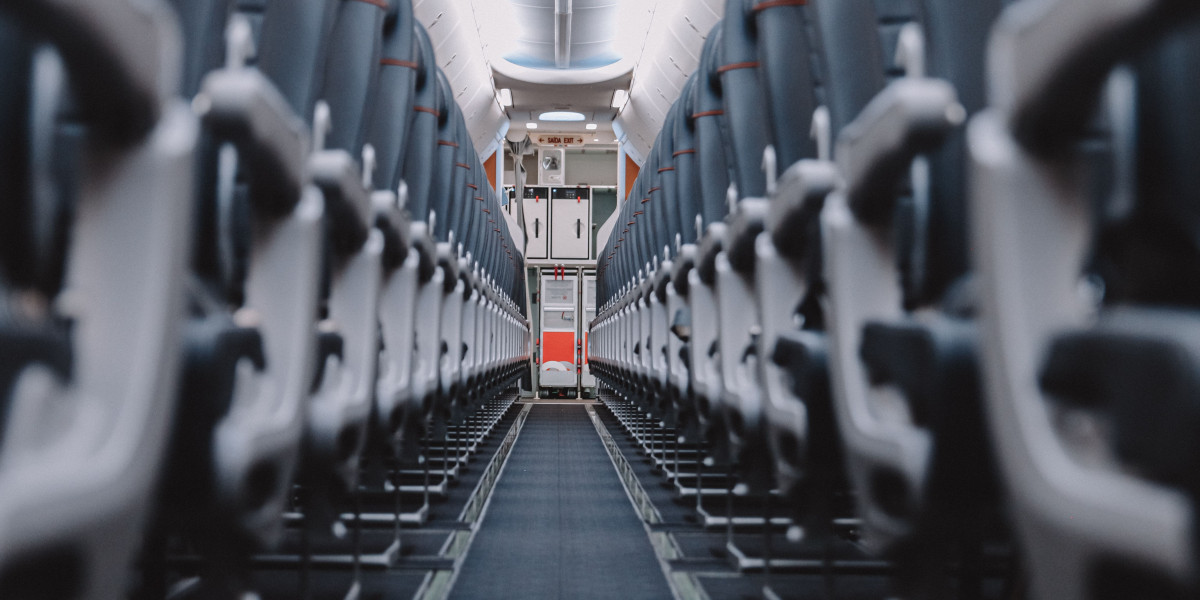

The aircraft industry continues to evolve as airlines focus on improving passenger experiences, enhancing cabin functionality, and creating more comfortable travel environments. Aircraft interiors play an important role in defining the overall passenger journey, and class dividers are becoming an essential component of modern cabin configurations. These dividers help airlines establish separate passenger sections while maintaining an organized and visually appealing cabin environment. The Aircraft Class Divider Market is gaining attention as aviation companies increasingly prioritize interior design, operational flexibility, and passenger satisfaction.
The growing interest in premium travel experiences is encouraging airlines and aircraft manufacturers to explore innovative cabin solutions. An important part of this development is the adoption of aircraft cabin partition systems, which help create functional boundaries between different seating classes. These systems support cabin organization while allowing airlines to maintain a consistent interior appearance. As passenger expectations continue to evolve, manufacturers are focusing on developing divider solutions that combine attractive designs, lightweight construction, durability, and practical functionality.
Growing Importance of Aircraft Cabin Organization
Cabin organization has become an important consideration for airlines seeking to improve the overall travel experience. Aircraft class dividers help separate different passenger sections, allowing airlines to create clearly defined environments within the aircraft. These partitions contribute to a more structured cabin layout and support the visual distinction between premium and standard seating areas.
Airlines often consider cabin interiors as an important part of their brand identity. The design, appearance, and functionality of interior components can influence how passengers perceive an airline. Class dividers provide opportunities to introduce distinctive design elements while maintaining a comfortable environment throughout the cabin.
Manufacturers are therefore exploring different approaches to divider construction, including modern materials, improved surface finishes, and designs that complement contemporary aircraft interiors. These developments are supporting the growing importance of cabin components in aircraft interior planning.
Demand for Improved Passenger Experiences
Passenger comfort remains a major priority for airlines operating across domestic and international routes. Travelers increasingly expect organized seating arrangements, attractive cabin environments, and a comfortable atmosphere throughout their journeys.
Aircraft class dividers contribute to these expectations by creating separation between passenger sections. They can also support the overall appearance of premium cabins by introducing a clear distinction between different seating environments.
Airlines are paying greater attention to the details that influence passenger perceptions. Interior elements such as seating, lighting, overhead compartments, and partitions are considered together when developing cabin layouts. This creates opportunities for class divider manufacturers to introduce products that complement broader interior design requirements.
Material Innovation and Product Development
Material selection is an important factor in aircraft class divider manufacturing. Aircraft components must satisfy demanding requirements related to durability, weight, maintenance, and compatibility with cabin interiors.
Manufacturers are exploring lightweight materials that can support aircraft efficiency while maintaining structural reliability. The use of suitable composite materials, engineered panels, and advanced surface treatments can help improve the appearance and practical performance of cabin partitions.
Another important consideration is ease of maintenance. Airlines operate aircraft under demanding schedules, making the maintenance requirements of interior components an important purchasing consideration. Divider designs that are easier to clean, inspect, and maintain can offer practical advantages for aircraft operators.
Product development is also focusing on aesthetics. Contemporary aircraft interiors increasingly incorporate coordinated colors, textures, and finishes. Class dividers that complement these design elements can help create a more consistent cabin appearance.
Role of Aircraft Manufacturers and Airlines
Aircraft manufacturers and airlines both influence the development of the class divider market. Aircraft manufacturers consider interior configurations during aircraft design and production, while airlines evaluate cabin components according to their operational requirements and passenger preferences.
Airlines may also introduce interior upgrades during aircraft refurbishment programs. Such activities create opportunities for manufacturers supplying replacement partitions and customized cabin components.
The growing focus on cabin modernization encourages collaboration between aircraft manufacturers, interior designers, component suppliers, and airline operators. This cooperation helps develop solutions that balance functionality, appearance, and aviation requirements.
Emerging Opportunities in the Market
The Aircraft Class Divider Market presents opportunities through cabin modernization, aircraft refurbishment, and changing passenger expectations. Airlines seeking to differentiate their services may invest in customized interior solutions that reflect their brand positioning.
Another opportunity comes from the development of flexible cabin configurations. Airlines may require interior components that support different seating arrangements and service concepts. Manufacturers capable of offering adaptable and practical divider designs can address these changing requirements.
Sustainability is also becoming an important consideration in aviation manufacturing. Companies are exploring material options and production approaches that support responsible resource utilization while maintaining product quality and performance.
Conclusion
The Aircraft Class Divider Market is closely connected to the wider development of aircraft interiors and passenger experience improvements. Growing attention to cabin organization, premium travel environments, lightweight materials, and customized interior solutions is creating opportunities for manufacturers and suppliers.
As airlines continue to modernize their cabins and respond to changing passenger expectations, class dividers will remain an important consideration in aircraft interior planning. Companies focusing on product innovation, durability, attractive designs, and practical installation solutions can strengthen their position in this evolving aviation segment.
Frequently Asked Questions (FAQs)
Q1. What is the Aircraft Class Divider Market?
The Aircraft Class Divider Market involves the development, manufacturing, and supply of partition systems used inside aircraft cabins to separate different passenger classes and organize cabin spaces.
Q2. What factors are influencing the Aircraft Class Divider Market?
Important factors include aircraft interior modernization, increasing passenger comfort expectations, demand for premium cabin experiences, material innovation, and the growing focus on customized aircraft interiors.



