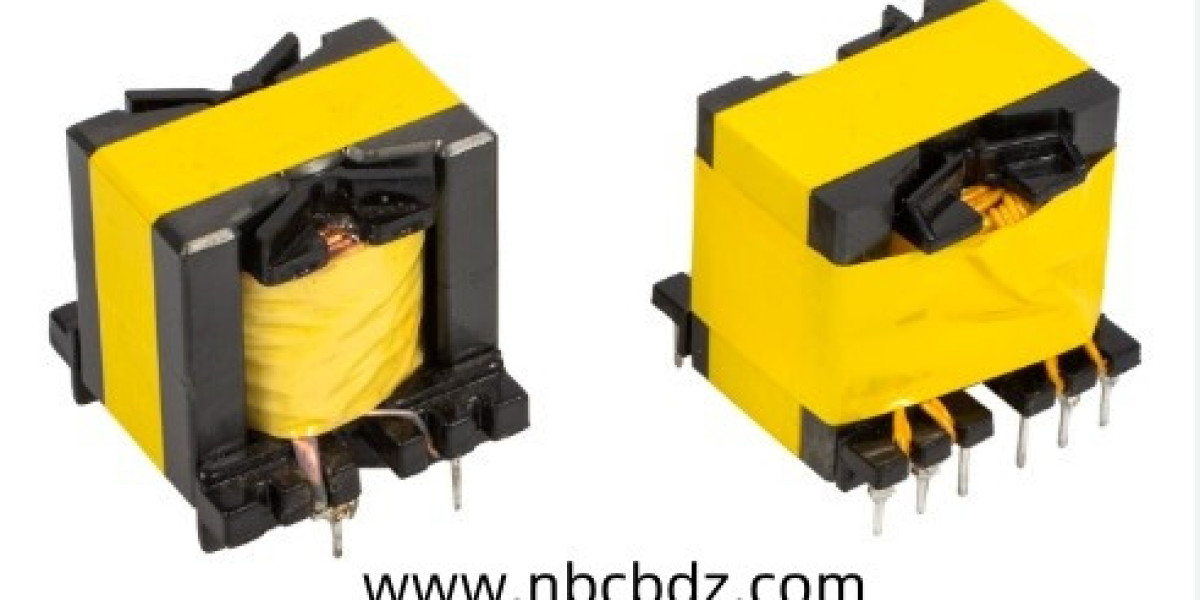

Inside an industrial machine, the control circuit has a different job from the main power system. It handles the electrical signals and devices involved in starting, stopping and coordinating equipment. A BK Control Transformer Factory should therefore understand more than the basic process of converting electrical energy. Its products need to suit the control circuit, fit the panel layout and withstand the conditions found in the equipment where they will be installed.
The core is central to this work. Control transformers commonly use laminated electrical steel to provide a path for magnetic flux. The laminations are insulated from one another to help limit losses caused by circulating currents within the core. Material quality and assembly both matter. Sheets that are poorly aligned or damaged during handling may affect the consistency of the finished component. Buyers should ask how the manufacturer selects its core materials and maintains the quality of the assembled structure.
Winding construction is another important consideration. Copper is widely used because of its electrical conductivity and established performance in transformer applications. The wire is arranged around the core to create the primary and secondary windings. Insulation separates the conductors and helps protect them from unwanted electrical contact. The quality of winding work depends on orderly placement, secure connections and careful handling of insulating materials. These details may be hidden inside the finished product, but they influence its reliability.
Before choosing a product, buyers should consider the control equipment it will serve. A transformer used in a machine control panel may have different installation needs from one fitted inside a packaged device or an industrial automation assembly. The type of control circuit, connected components and surrounding electrical environment should all be considered. Providing a supplier with a circuit diagram or a clear explanation of the application can make the selection process more useful. It allows the manufacturer to discuss whether a standard design is appropriate or whether adjustments may be needed.
Panel space is often limited, so physical compatibility deserves attention early in the purchasing process. The transformer's mounting arrangement, terminal location and overall shape can affect wiring work and the placement of neighboring components. If connections are difficult to access, installation may take longer and later maintenance can become inconvenient. Buyers should review product drawings and confirm connection details before production. A sample can also help technicians check the fit within an actual control cabinet.
A control transformer works through electromagnetic induction. Alternating current in its primary winding creates a changing magnetic field in the core, which transfers energy to the secondary winding. This allows the transformer to supply a control circuit with an appropriate electrical supply while helping separate that circuit from the incoming power side. In practical equipment, the control circuit may serve relays, contactors, indicators and other electrical devices. The transformer's role is closely connected to the behavior of the complete control system.
Electrical noise and operating conditions should also be part of the design discussion. Nearby switching devices, wiring arrangements and the layout of a control cabinet can influence the electrical environment. Heat and vibration may affect components over time, particularly when equipment operates in demanding surroundings. A suitable transformer design needs to take these conditions into account. Manufacturers should be prepared to discuss the intended installation environment rather than recommending a product based only on its general category.
For maintenance teams, a well-designed transformer should be easy to identify, connect and inspect. Clearly marked terminals help reduce wiring confusion. Secure mounting makes it easier to work around the component, while an orderly lead arrangement can simplify replacement. These practical details are especially relevant when a machine is serviced after years of operation. Equipment makers should consider the needs of technicians who may never have been involved in the original assembly.
The external finish also gives buyers useful clues about manufacturing care. A neatly assembled core, clean insulation surfaces and properly arranged terminals make the product easier to examine before installation. Protective covers or housings may be suitable for certain equipment layouts, while other applications may require an open construction that allows convenient mounting and wiring. Appearance should serve a practical purpose: the component needs to fit naturally into the control panel and remain accessible for inspection.
Ningbo Chuangbiao Electronic Technology Co., Ltd. operates in the electronic transformer field and provides products for different electrical equipment applications. Customers sourcing control transformers can share their circuit requirements, installation drawings and project details with the company to discuss product suitability and possible customization. Information about its transformer products can be found at https://www.nbcbdz.com/product/



