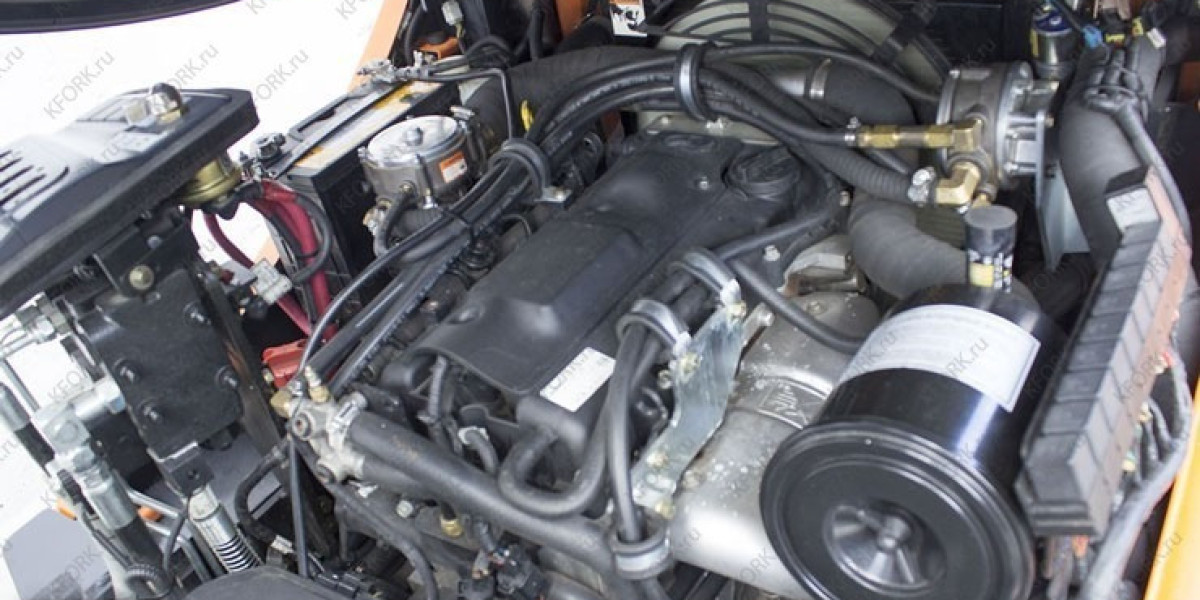

The Value of Quality Automotive Components
Automotive components are exposed to vibration, moisture, temperature changes, and mechanical stress. These conditions make material selection and manufacturing quality important considerations when sourcing replacement parts.
Businesses looking for stainless steel auto parts USA can explore American manufacturing and supply options for automotive and heavy-duty applications. Stainless steel components are often valued for their corrosion resistance and durability, making them useful in suitable vehicle systems and industrial environments.
When evaluating automotive parts, buyers should consider application compatibility, material specifications, dimensions, and installation requirements. Choosing a component that meets the vehicle's needs can help support dependable operation and simplify maintenance.
Why Stainless Steel Tubing Matters
Tubing serves several purposes in automotive systems, including carrying fluids and connecting different components. Its design, dimensions, and material must match the demands of the application.
A reliable stainless steel tube supplier can be an important resource for businesses sourcing tubing for automotive and industrial use. Stainless steel may be appropriate for applications where resistance to corrosion and long-term durability are priorities.
Before purchasing tubing, technicians and buyers should verify the required diameter, length, wall thickness, connection style, and intended operating conditions. These details help ensure the selected product is suitable for the assembly and can be installed correctly.
Regular inspections are also important after installation. Checking for damage, corrosion, leaks where applicable, and loose connections can help identify potential problems before they affect related systems.
The Role of Flexible Exhaust Pipes
An exhaust system directs engine exhaust gases away from the engine and through the vehicle's exhaust route. Its components operate in a challenging environment that involves heat, vibration, and movement.
Flexible exhaust pipes can accommodate movement and help connect sections of an exhaust system where flexibility is required by the design. Selecting the appropriate pipe depends on the vehicle configuration, dimensions, connection requirements, and operating conditions.
During routine maintenance, technicians should inspect exhaust pipes for corrosion, cracks, leaks, and signs of excessive movement. They should also examine nearby supports and connections because worn mounting hardware can place additional stress on exhaust components.
Replacing damaged exhaust parts promptly can help maintain system integrity and reduce the risk of minor defects developing into more extensive repairs.
Practical Maintenance for Heavy-Duty Vehicles
A consistent maintenance routine helps technicians identify component wear and address developing problems. Inspections should be appropriate for the vehicle and may include examining tubing, exhaust pipes, connections, and mounting hardware.
Useful maintenance practices include:
Checking tubing for visible damage and corrosion.
Confirming replacement components match the required specifications.
Inspecting exhaust pipes and connections for leaks or deterioration.
Examining supports and mounting points for looseness or damage.
Replacing worn components according to inspection findings and manufacturer recommendations.
Maintaining accurate service records can also help fleet managers identify recurring issues and plan replacement work more efficiently.
Making Informed Purchasing Decisions
When sourcing automotive components, buyers should look beyond price alone. Product specifications, material suitability, manufacturing consistency, availability, and supplier experience can all influence purchasing decisions.
For fleet operators and repair businesses, choosing compatible parts helps reduce installation complications and supports consistent maintenance practices. Clear product information also makes it easier to compare available options and identify the correct components for specific vehicles.
Conclusion
Stainless steel tubing and exhaust components play important roles in many automotive and heavy-duty applications. By sourcing suitable materials, verifying product specifications, and maintaining components through regular inspections, technicians and fleet operators can support vehicle reliability and reduce avoidable downtime.
Careful component selection, combined with preventive maintenance, provides a practical foundation for keeping heavy-duty vehicles in service and their supporting systems functioning as intended.




