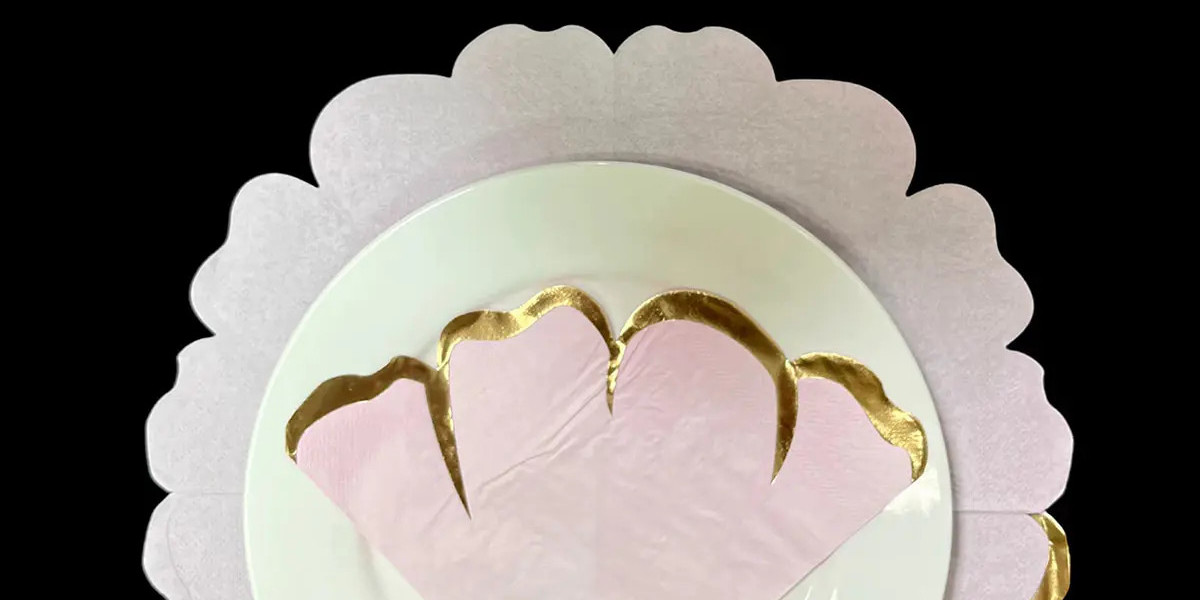

A guest unwrapping one of the Party Printed Paper Napkins at a catered wedding expects the sheet to feel crisp, smell neutral, and hold its printed pattern firmly against a damp fingertip, and that quiet expectation rests entirely on how carefully a Party Printed Paper Napkins Manufacturer manages the invisible enemies of folded paper through every step from pulping to final seal, because humidity gathering in a warehouse corner, faint solvent fragrance trapped inside a stack, or pigment creeping onto a warm plate would each undo the trust a host places in a decorated table. A factory such as papernapkinfactory therefore treats dryness, cleanliness, and pigment fixation as engineering subjects worthy of the same attention a textile mill gives to colorfastness, yet the question every thoughtful importer eventually faces before releasing a container remains direct and worth confronting: how can you be certain, long before your first carton reaches a banquet hall, that the folded sheets inside have been protected against the very moisture, odor, and color drift that quietly damage an order in transit?
Keeping the Base Stock and Finished Stack Dry
Paper is a hygroscopic material that pulls water vapor from surrounding air with quiet persistence, and a controlled producer handles that behavior by conditioning pulp, storing reels in enclosed dry rooms, and resting folded stacks inside sealed inner wraps that keep rising humidity away from the printed surface until the moment of unpacking. Equally important is the decision to seal the finished napkin while it still sits inside a factory atmosphere held steady through the drying season, since a warm sheet shipped straight into a damp sea container would otherwise collect water against the printed face and soften the bond between plies. Desiccant sheets, moisture-barrier inner liners, and a clear storage note printed beside the lot number let an importer confirm at arrival that the environment around the goods remained guarded throughout the voyage rather than left to chance inside an unheated port shed.
Controlling Fragrance Through Clean Process Choices
An unwanted smell reaching a banquet table rarely arrives on purpose, and a responsible factory prevents it by selecting virgin fiber low in residual lignin, choosing inks and adhesive systems that cure without leaving solvent notes behind, and scheduling production so that freshly converted goods ventilate briefly before packing instead of being compressed while warm and still releasing volatile traces. Clean ventilation inside the converting hall, separation of printed goods from any chemical storage, and routine attention to machine lubricants keep the folded stack carrying nothing beyond a faint clean-paper impression. A buyer who opens a sample carton and notices a neutral, almost invisible scent is reading, through a single sniff, the cumulative effect of every small hygiene choice made months earlier along the line.
Locking the Pattern Against Color Transfer
The printed motif carries both celebration and risk, since pigment sitting loosely on a fiber surface would lift onto damp skin or a warm plate the instant pressure and moisture combine, and a careful producer fixes color through low-migration formulations matched to a sizing level strong enough to anchor pigment within the sheet rather than let it rest on the surface. Drying temperature, cure time, and the balance between pigment load and binder all determine whether a finished sheet survives a damp contact test without releasing a trace of its design, so a factory worth trusting runs controlled contact tests on retained samples and keeps those records beside each released lot. Water-based and soy-based systems, dried thoroughly and cured with patience, tend to hold their tone while staying reluctant to surrender color onto anything resting against them, giving the decorated napkin a long and faithful service life at the table.
Documentation and the Importer's Inspection Routine
Material stability becomes a defensible claim only when each shipment connects back to paperwork matching the actual goods inside the carton, and a professional supplier welcomes that scrutiny by organizing certificates, food-contact declarations, moisture readings, and third-party migration reports into a single set whenever a buyer requests them. Importers who examine that evidence during sampling, rather than after a contract is signed, protect themselves from unpleasant surprises at customs and at the loading dock, and the clarity with which a factory answers those technical questions reveals, through behavior alone, an accountability that a glossy catalogue can never promise. Buyers comparing suppliers on moisture, odor, and color stability will find a helpful starting point among the documented Party Printed Paper Napkins listed at papernapkinfactory, where such records accompany each described lot.
A Practical Place to Review Stable Food-Safe Napkins
Distributors and event suppliers weighing moisture resistance, odor cleanliness, and colorfastness can study the printed collection at https://www.papernapkinfactory.com/product where FuRong Company describes the drying rooms, clean process choices, and pigment-fixation routines behind Party Printed Paper Napkins prepared for food-contact use, and where buyers may request sample packs, specification sheets, and migration reports before arranging a trial order or a long-term supply schedule, making it a practical next step for anyone seeking a reliable Party Printed Paper Napkins Manufacturer.



