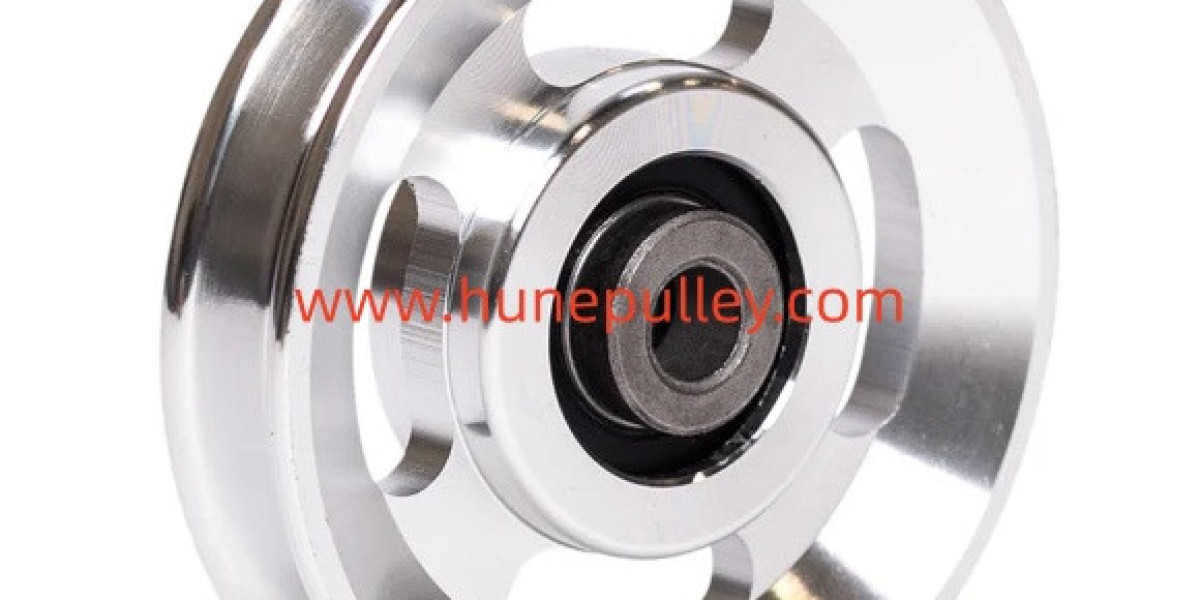

Reliable movement is an important requirement in equipment used for furniture systems, sliding structures, material handling, and industrial assemblies. A Rubber Bearing Roller from Hunepulley brings together rolling functionality and a rubber contact surface, offering manufacturers and equipment designers a practical component for applications where controlled movement and surface contact matter. Understanding the relationship between materials, bearing construction, and installation requirements can help buyers select components that suit their intended equipment.
Rubber is valued in roller applications for its distinctive surface characteristics. Depending on the compound and design, it can provide useful friction, reduce direct contact between harder materials, and help protect the surfaces along which a roller travels. These properties make rubber-covered rollers relevant to mechanisms that require steady movement while maintaining appropriate contact with a track, panel, or supporting surface.
The bearing is another essential part of the assembly. It allows the roller to rotate around its supporting shaft or axle, helping reduce resistance during movement when correctly selected and installed. Bearing type, internal construction, load requirements, and operating conditions all influence component suitability. Buyers should consider these factors together rather than evaluating the outer roller surface alone.
Material compatibility also deserves attention during product selection. Rubber compounds can differ in hardness, elasticity, wear characteristics, and resistance to environmental conditions. The appropriate choice depends on the equipment's operating environment and the materials that contact the roller. Considering these requirements helps engineers and purchasing teams identify a design suited to the intended application.
Dimensional accuracy is equally relevant. Roller diameter, overall width, bearing dimensions, and mounting arrangements need to correspond with the surrounding mechanism. A component that does not fit correctly may affect alignment, movement, or installation. Reviewing technical drawings and confirming specifications before purchasing can help reduce compatibility concerns and simplify assembly planning.
Rubber bearing rollers can serve a variety of applications. In sliding doors and furniture systems, they may support guided movement and help limit direct contact between rigid components. In selected industrial mechanisms, they can assist with conveying, positioning, or guiding materials along a defined path. Each application has its own operating demands, making careful assessment an important part of the selection process.
For manufacturers and distributors, product consistency is another consideration. Differences in dimensions, surface finish, or bearing fit can influence how components perform within an assembled mechanism. Organized manufacturing procedures, appropriate material checks, and dimensional inspections help maintain attention to these details. Clear technical communication also allows buyers to understand product specifications before integrating components into their equipment.
Installation and maintenance should not be overlooked. Correct alignment helps a roller travel along its intended path, while suitable mounting supports stable operation. Depending on the design and working environment, regular inspection may help identify surface wear, contamination, unusual noise, or changes in rotational movement. Following the equipment manufacturer's maintenance guidance can support continued operation and help identify components that need attention.
When sourcing components for a new product or replacement project, purchasing teams should consider more than appearance. Technical compatibility, application requirements, material characteristics, and communication with the supplier all contribute to an informed decision. Sharing drawings, operating conditions, and installation details can help clarify the requirements before production or procurement begins.
A small roller can make a meaningful contribution to the way an entire mechanism moves. If you are planning a new assembly, refining an existing design, or comparing component options, visit https://www.hunepulley.com/product/ . Take a closer look at the available pulley and roller solutions, and let your next engineering idea begin with a component selected for the job it needs to do.



