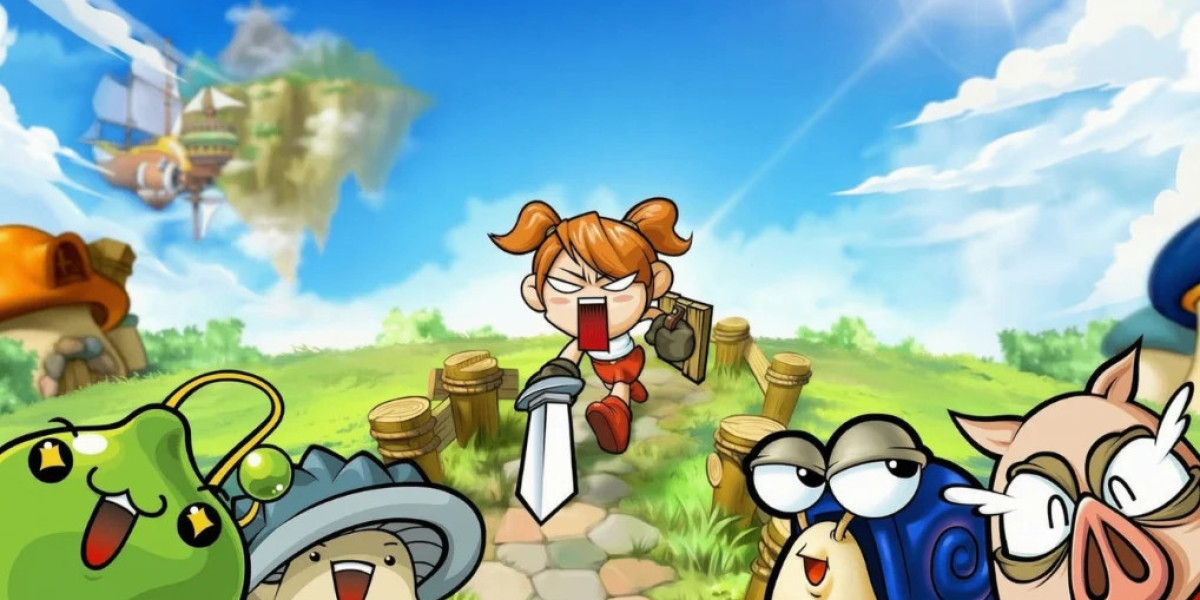

Progression in MapleStory Classic World is not simply a race to reach the next level. Every character develops through a combination of monster hunting, skill investment, equipment improvements, and resource management. Players who understand how these systems work together can build a much more comfortable training routine without constantly changing equipment or wasting supplies. MapleStory Classic World Mesos are an important part of this process because nearly every stage of character development involves some form of spending. However, the real challenge is knowing which purchases actually improve combat performance and which ones can wait. A thoughtful training plan helps players avoid unnecessary expenses while keeping their characters prepared for increasingly difficult areas.
Start by Understanding Your Character's Strengths
The first step toward an efficient training routine is understanding what the chosen class does best. MapleStory Classic World features four familiar job paths: Warrior, Magician, Bowman, and Thief. Each has a different combat style, which means the same hunting location or equipment recommendation will not necessarily work equally well for every character.
Warriors generally rely on close-range combat and benefit from equipment that supports their physical damage and survivability. Their training routine should consider how quickly they can approach enemies, defeat them, and recover from incoming attacks. A Warrior who spends too much time consuming potions may need to reconsider the hunting area before purchasing another expensive weapon.
Magicians approach combat differently because their offensive abilities depend heavily on MP. Their spell selection should match the durability of the monsters they are fighting. Using a powerful spell against an enemy that can already be defeated with a cheaper attack may increase supply expenses without providing a meaningful improvement in overall efficiency.
Bowmen benefit from ranged combat and careful positioning. Understanding the layout of a hunting map can make a noticeable difference because enemies do not always approach from the same direction or platform. Thieves also have their own advantages, particularly when players understand their movement, weapon requirements, and skill combinations.
Before making major equipment decisions, spend some time identifying the strengths and weaknesses of the current build. This provides a clearer direction for future improvements.
Create a Training Route That Matches Your Level
A common mistake is choosing a hunting map simply because other players recommend it. Popular locations may be convenient for certain classes, but they are not automatically suitable for every character.
The best training route should provide a reasonable balance between monster difficulty, experience, item drops, and travel time. A map filled with enemies that take too long to defeat can become inefficient, especially when the character needs frequent recovery breaks.
Players should test a new location before committing to a long session. Spend several minutes observing monster density, movement patterns, and the number of attacks required to defeat ordinary enemies. If the character can maintain a consistent rhythm without using excessive supplies, the area may be worth adding to the regular rotation.
The following comparison provides a practical way to evaluate different training environments:
| Training factor | What to examine | Why it matters |
|---|---|---|
| Monster difficulty | HP, damage, and defensive requirements | Determines how comfortable combat feels |
| Map structure | Platforms, ladders, and connected areas | Influences movement efficiency |
| Monster density | Number of available targets | Reduces unnecessary waiting |
| Drop selection | Equipment and useful materials | Adds value beyond experience |
| Recovery costs | HP and MP consumption | Helps control everyday expenses |
It is also important to remember that character development is not always linear. A player may find one location more effective for experience and another more convenient for collecting useful materials. Alternating between them can create a better overall routine.
Use Skills According to the Situation
Skills should be treated as tools rather than abilities that must always be activated whenever they become available. A good combat rotation considers enemy durability, MP consumption, positioning, and the character's current level.
For example, a Magician may use a stronger elemental attack against a group of enemies with higher HP, while relying on a more economical ability against weaker monsters. This prevents unnecessary MP consumption and allows the character to remain in the hunting area longer.
Archers should pay attention to accuracy and the distance between their character and the target. Focus is particularly relevant because accuracy influences whether attacks connect consistently. Players who notice frequent missed attacks should review their equipment and skill development before assuming that the hunting area is unsuitable.
Poison Breath and Thunder Bolt also provide different offensive approaches for Magicians. Poison-based combat requires players to understand the relationship between the initial attack and its additional effects, while Thunder Bolt offers another direct magical damage option. Comparing their performance against appropriate monsters can help players decide which ability fits their current training style.
Warriors and Thieves should also experiment with skill combinations rather than depending on one attack throughout every encounter. As characters develop, the most comfortable rotation may change according to available skills and equipment.
Equipment Upgrades Should Solve Real Problems
Equipment progression can become expensive when players purchase every available upgrade without considering its actual value. A more effective approach is to identify the biggest weakness in the current character and prioritize the equipment that addresses it.
If ordinary monsters are taking too long to defeat, a better weapon may provide the most noticeable improvement. If the character frequently needs to return to town because of incoming damage, defensive equipment could be more useful. If attacks frequently miss, accuracy-related improvements deserve attention.
Players should compare several pieces of equipment before making a purchase. Look beyond the item's name and level requirement, and examine the attributes that actually influence the character's performance.
It is also worth considering how long the equipment will remain useful. An affordable upgrade that supports several levels of progression may offer better value than an expensive item that will quickly become outdated.
A sensible upgrade plan should follow these priorities:
• Replace equipment that is clearly limiting combat performance.
• Improve weapons when the damage difference provides a meaningful benefit.
• Maintain suitable defensive equipment for the chosen hunting area.
• Avoid buying items that do not support the character's intended build.
• Keep enough resources available for potions and other essential supplies.
Monster Drops Can Support More Than One Goal
Monster hunting is an important source of experience, but the items collected during each session can also support other progression systems. Equipment may provide an upgrade or become useful to another player, while materials can contribute to crafting projects.
Players should become familiar with the purpose of their collected items instead of automatically selling everything. Woodcrafting, for example, gives materials such as Seedlings and Wooden Boards a role in producing processed resources and furniture. Keeping ingredients for an active crafting objective can save time and reduce future purchasing requirements.
Inventory organization is particularly useful during longer sessions. Divide collected items into equipment, consumables, crafting materials, and unwanted drops. This makes it easier to identify which items should be stored, used, sold, or converted through a profession.
Another useful habit is to review the inventory after returning to town. Instead of waiting until every available slot is occupied, remove unnecessary items regularly. A well-organized inventory makes it easier to collect valuable drops and continue training without interruptions.
The Free Market Rewards Careful Comparison
The Free Market adds another dimension to character progression because players can interact directly through shops and trading. Equipment and materials may have different asking prices depending on availability and demand.
Before making an expensive purchase, compare several listings. Pay attention to equipment attributes, not just the item name, because two pieces of the same equipment can offer different values depending on their statistics.
Selling items also requires some patience. A high asking price does not guarantee that another player will purchase the item. It is better to understand what makes an item useful and compare similar listings before deciding on a price.
Players should also avoid selling materials that are needed for an immediate crafting project. A small amount of currency gained from selling ingredients may not be worth the inconvenience of purchasing them again later.
Build a Routine That Supports Consistent Progress
A practical training session should begin with preparation rather than immediately entering a hunting map. Check the character's equipment, purchase the necessary recovery items, and review active quests or crafting objectives. Once the character is ready, select a suitable location and focus on maintaining a consistent combat rhythm.
After hunting, review the collected items and decide which ones contribute to future progression. Players can then visit the Free Market, compare equipment prices, or work on a crafting profession. This creates a connection between ordinary combat and the wider economy.
A weekly routine can include different activities instead of repeating the same task every day. Some sessions can focus on experience, while others can prioritize quests, materials, Citizenship, or cooperative activities. This variety makes progression more interesting and prevents players from becoming overly dependent on one hunting location.
Prepare for the Next Stage of Your Adventure
The most effective training strategy is one that remains flexible as the character develops. Equipment that feels powerful at an early level may eventually become outdated, and a comfortable hunting map may lose its value when stronger enemies become accessible. Players who regularly evaluate their skills, equipment, and supply costs can adjust more easily without wasting resources on unnecessary purchases.
MapleStory Classic World rewards players who understand the relationship between combat and preparation. A well-planned training route, suitable equipment, organized inventory, and sensible spending habits can make every session more productive. Rather than chasing every expensive upgrade, focus on improvements that solve real problems and support the next progression milestone. For players considering additional currency options while organizing their equipment and training plans, MapleStory GMS Mesos can also be considered alongside regular monster hunting, crafting, and player trading.



