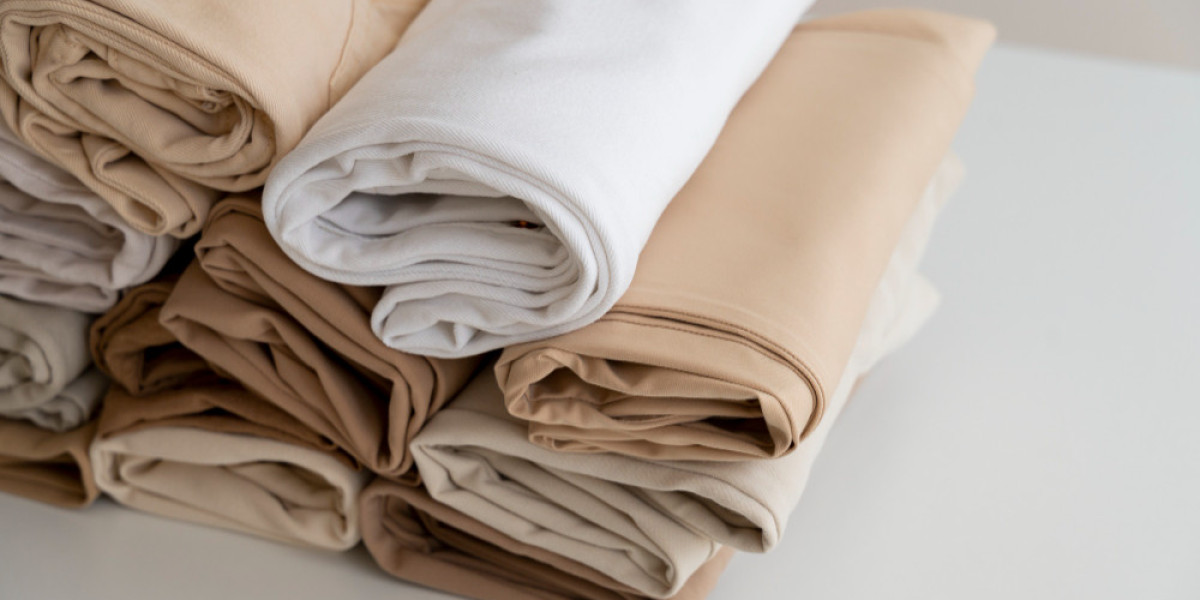
When businesses need materials for outdoor protection, industrial covering, or customized fabric products, durability, flexibility, and application suitability all deserve careful consideration. PVC Tarpaulin Fabric from ShanghaiMsd offers a versatile material option for manufacturers and commercial buyers seeking practical solutions for different covering requirements. Its coated construction and adaptable characteristics make it relevant to projects where weather exposure, handling requirements, and functional design influence material selection.
Across different industries, protective fabrics serve purposes that extend beyond simply covering an object. They help create organized working environments, provide separation between spaces, and offer protection for equipment, goods, and other items. From transportation-related applications to temporary shelters and industrial covers, selecting an appropriate fabric can contribute to more convenient daily operations.
One notable feature of coated fabric materials is their combination of a textile base and a functional surface layer. This construction brings together the structural characteristics of the base fabric with the surface properties provided by the coating. Depending on the intended specification, manufacturers can consider different combinations to suit particular product designs and application conditions.
Outdoor environments often introduce additional considerations during material selection. Exposure to sunlight, moisture, wind, dust, and repeated handling may influence the requirements of a finished product. Buyers should therefore consider where the material will be used and what conditions it is expected to encounter. Reviewing these factors helps establish suitable expectations for fabric performance and product maintenance.
Another important aspect is manufacturing flexibility. Different projects may require materials to undergo cutting, welding, stitching, folding, or other fabrication procedures. The selected fabric should be compatible with the intended processing methods and the structure of the finished item. Communication between material suppliers and manufacturers can help clarify these requirements before production starts.
Customization also plays an important role in commercial sourcing. A transportation cover may have different requirements from an industrial partition or a temporary outdoor structure. Buyers may need to consider fabric thickness, width, color, surface finish, and other specification details. These choices influence the appearance and intended function of the finished product. A clear understanding of project requirements makes it easier to discuss appropriate material options with suppliers.
For wholesalers and product manufacturers, consistent material selection is closely connected to production planning. Establishing clear specifications helps purchasing teams communicate with production departments and organize subsequent processing arrangements. Evaluating samples and discussing technical details can also provide a clearer understanding of whether a particular fabric matches the intended application.
Design is another element that deserves attention. Protective covers and industrial fabric products do not always need to look purely functional. Color selection, surface appearance, edge finishing, and overall construction can influence how a finished product fits into its working environment. Manufacturers can combine practical requirements with thoughtful design decisions to create products suited to different commercial settings.
As industrial applications continue to develop, businesses need material options that can accommodate changing project requirements. Choosing a suitable coated fabric involves considering its construction, processing compatibility, intended environment, and final purpose. Taking time to evaluate these factors can support more informed purchasing decisions and smoother cooperation throughout the manufacturing process.
A useful material choice can turn a demanding project into a more manageable production plan. If you are preparing a new covering solution or reviewing materials for an upcoming manufacturing project, make your next stop https://www.shanghaimsd.com/product/ . Visit the website, take a closer look at the available product possibilities, and find fresh inspiration for your next fabric application.