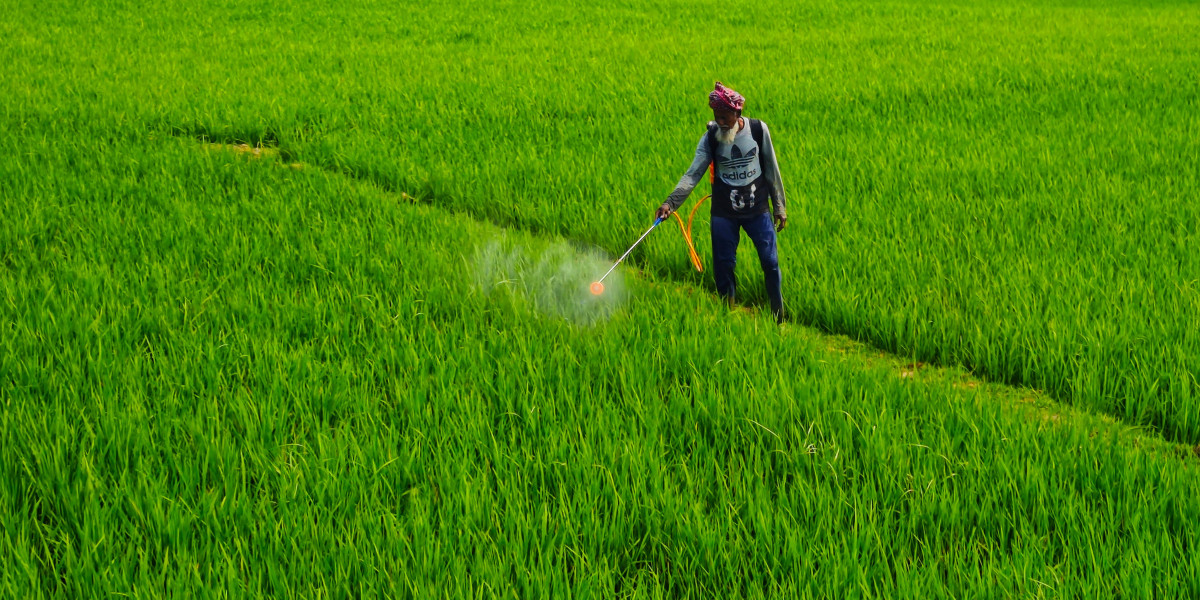

The agricultural industry is gradually moving toward production methods that emphasize environmental responsibility, efficient resource utilization, and sustainable crop nutrition. Farmers are becoming more aware of the importance of maintaining soil quality while producing crops that meet changing food requirements. This transformation is creating opportunities for green fertilizers, which are designed to support agricultural production through natural, organic, and environmentally conscious approaches.
The growing demand for sustainable agricultural inputs is encouraging interest in sustainable plant nutrition products that can complement responsible farming practices. These products include naturally derived fertilizers, organic nutrient formulations, and biological solutions designed to support plant development. Their increasing relevance reflects a broader agricultural movement toward reducing unnecessary environmental pressure while maintaining effective crop nutrition.
Sustainability as a Major Market Trend
Sustainability has become an important consideration for fertilizer producers and agricultural businesses. Traditional fertilizer manufacturing and application practices can create environmental challenges when raw materials, production methods, and nutrient application are not managed responsibly.
Green fertilizers provide an alternative development direction by emphasizing renewable resources, organic ingredients, and biological processes. Manufacturers are exploring ways to produce agricultural inputs with greater attention to raw material efficiency and environmental impact.
This trend is also influencing agricultural purchasing decisions. Farmers are considering how their fertilizer choices affect soil conditions, cultivation practices, and long-term land productivity.
Increasing Interest in Organic Farming
Organic farming is contributing to the growing relevance of green fertilizers. This agricultural approach emphasizes natural production practices and careful management of soil fertility.
Organic farmers often depend on compost, plant-based materials, animal-derived organic inputs, and approved natural fertilizers to support crop development. These materials can help improve soil structure and contribute to nutrient availability.
The demand for organic agricultural products is also encouraging farmers to consider the suitability of their fertilizer inputs. Manufacturers are responding by developing products designed for different organic and sustainable cultivation requirements.
However, fertilizer selection must always consider applicable agricultural standards and certification requirements. Not every product described as natural or green is automatically suitable for certified organic farming.
Development of Advanced Fertilizer Formulations
Product innovation is becoming an important factor in the green fertilizers market. Manufacturers are focusing on formulations that offer practical nutrient delivery, convenient application, and suitability for different agricultural conditions.
Some products combine organic matter with mineral nutrients to provide balanced crop nutrition. Others focus on biological activity and the use of beneficial microorganisms.
Improved processing methods can also help manufacturers achieve better product consistency. Quality control, raw material selection, and formulation stability are important considerations for developing reliable fertilizer products.
These innovations can help expand the range of agricultural applications and make sustainable fertilizer solutions more accessible to different farming operations.
Role of Agricultural Waste Utilization
Waste utilization is another important trend supporting green fertilizer development. Agriculture and food processing generate organic residues that may be suitable for conversion into useful fertilizer materials.
Composting and other organic processing techniques can transform suitable waste materials into products that contribute to soil fertility. This approach supports resource recovery while reducing the amount of organic waste requiring disposal.
Circular agricultural systems are becoming increasingly relevant because they encourage the productive reuse of resources within farming and food production networks.
Manufacturers can explore partnerships with agricultural producers, food processing facilities, and waste management companies to develop reliable sources of suitable raw materials.
Precision Agriculture and Fertilizer Management
Technology is changing how farmers manage agricultural inputs. Precision agriculture tools can help producers understand variations in soil conditions and crop nutrient requirements.
Soil testing, digital farm management platforms, and agricultural monitoring technologies can support better fertilizer decisions. When combined with appropriate green fertilizer products, these practices can contribute to more efficient nutrient management.
The goal is not simply to replace one fertilizer with another. It is to improve the overall process of selecting, applying, and managing agricultural nutrients.
Better application planning can help reduce unnecessary input use and support more responsible cultivation practices.
Distribution and Market Accessibility
Market development also depends on the availability of green fertilizer products. Manufacturers need effective distribution systems to reach farmers across different agricultural regions.
Local agricultural retailers, cooperatives, distributors, and online agricultural platforms can help improve product accessibility. These channels also provide opportunities to educate farmers about product characteristics and application requirements.
Packaging and storage are important considerations, particularly for biological fertilizers that may require specific handling conditions.
Companies that understand local farming practices and crop requirements can develop more suitable products for regional agricultural markets.
Challenges Influencing Industry Growth
Although interest in sustainable fertilizers is increasing, the market continues to face several challenges. Product costs, limited awareness, inconsistent raw material quality, and differences in agricultural requirements can influence adoption.
Some farmers may also need additional support when transitioning from conventional fertilizers to alternative nutrient management systems.
Manufacturers must therefore focus on product reliability, transparent labeling, farmer education, and suitable technical assistance.
Future Market Opportunities
The future of the green fertilizer market will be influenced by innovation, sustainability objectives, organic agriculture, and changing farming requirements.
Companies that develop effective products using responsibly sourced ingredients may find opportunities to serve an expanding range of agricultural applications.
The industry is also likely to benefit from greater collaboration between fertilizer manufacturers, agricultural researchers, farmers, and distribution partners.
Green fertilizers are becoming an important part of the conversation about cleaner crop nutrition. Their continued development can help support agricultural systems that balance productivity, soil management, and environmental responsibility.
FAQs
Q1. What are the major trends in the green fertilizer market?
Important trends include organic farming, biological fertilizer development, sustainable manufacturing, agricultural waste utilization, and improved nutrient management practices.
Q2. How does precision agriculture support green fertilizer usage?
Precision agriculture helps farmers understand soil conditions and crop nutrient requirements, allowing them to make more informed fertilizer selection and application decisions.



