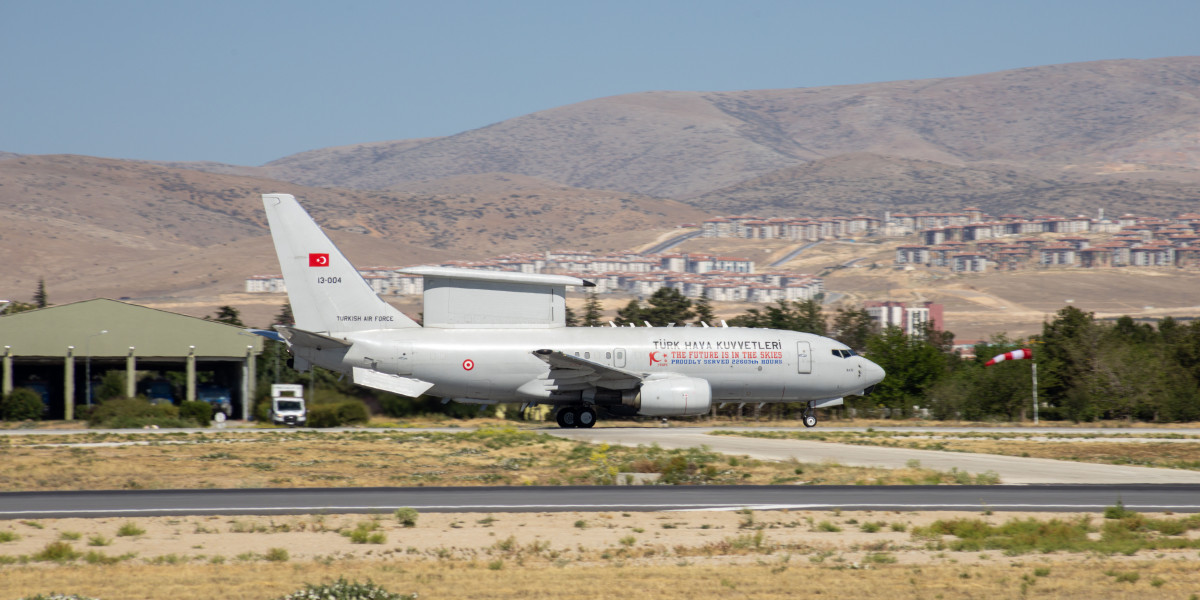

The military airborne radar market plays an important role in strengthening modern defense operations by supporting aircraft-based detection, monitoring, and surveillance activities. Airborne radar technology helps military forces observe surrounding airspace, identify potential threats, and improve awareness during different mission environments. As defense operations become increasingly technology-driven, airborne radar systems remain an important part of military aviation infrastructure. These systems support fighter aircraft, surveillance platforms, reconnaissance aircraft, and other specialized military aviation applications.
The growing importance of airborne surveillance radar systems reflects the increasing focus on improving aerial monitoring and threat identification capabilities. Military organizations require dependable radar technologies that can support complex missions and provide useful information to operational teams. These capabilities contribute to better coordination between aircraft, command centers, and ground-based defense infrastructure.
Role of Airborne Radar in Modern Military Operations
Airborne radar systems are designed to detect and track objects within surrounding airspace. Their applications extend across multiple military activities, including airspace monitoring, target detection, reconnaissance, and mission coordination. Unlike certain ground-based radar installations, airborne platforms provide mobility and allow military forces to monitor different operational environments.
These systems help military aircraft gather information about surrounding conditions while performing assigned missions. Radar technology can support the detection of aircraft, airborne objects, and other potential threats. This information helps military personnel understand the operational environment and make informed decisions.
Modern defense operations often involve different aircraft working together. Airborne radar contributes to this coordination by supporting situational awareness and communication between operational platforms.
Technological Developments Supporting Market Growth
Technological development remains an important factor influencing the military airborne radar market. Radar manufacturers continue to focus on improving detection capabilities, signal processing, reliability, and system integration.
Advanced radar technologies are becoming increasingly important as military forces seek equipment capable of operating in complicated environments. Improvements in electronic systems can support better information processing and help radar platforms manage complex operational requirements.
The development of electronically scanned radar technology also contributes to the modernization of airborne surveillance capabilities. Such technologies offer advantages in radar beam management and operational flexibility.
Importance of Surveillance and Intelligence
Surveillance and intelligence activities are essential components of military planning. Airborne radar systems support these activities by collecting information about surrounding airspace and helping military personnel identify possible operational concerns.
Military aircraft equipped with radar technology can support reconnaissance missions and provide information that contributes to wider defense operations. This information can also improve coordination between aviation units and command structures.
The increasing complexity of aerial environments makes reliable detection and monitoring technologies particularly important. Radar systems help military organizations maintain awareness while operating across different environments.
Future Opportunities in the Market
The future of the military airborne radar market will remain connected to defense modernization, aircraft development, and technological innovation. Military organizations are expected to continue prioritizing advanced surveillance capabilities and integrated aviation systems.
Artificial intelligence, advanced signal processing, and improved electronic architecture may influence future radar development. These technologies could support more efficient information analysis and improve the overall performance of airborne radar platforms.
As defense requirements continue evolving, manufacturers will have opportunities to develop radar systems that address changing operational demands. Reliability, adaptability, and integration will remain important considerations.
Conclusion
Military airborne radar technology is an important element of modern aerial defense infrastructure. Its role in surveillance, reconnaissance, detection, and situational awareness makes it valuable for military aviation operations. Continued technological improvements and defense modernization initiatives are expected to influence the market's development.
FAQs
Q1. What is military airborne radar?
Military airborne radar is a radar system installed on military aircraft to detect, monitor, and track objects in surrounding airspace.
Q2. Why are airborne radar systems important for defense?
They support surveillance, reconnaissance, threat detection, and situational awareness, helping military forces coordinate their operations.