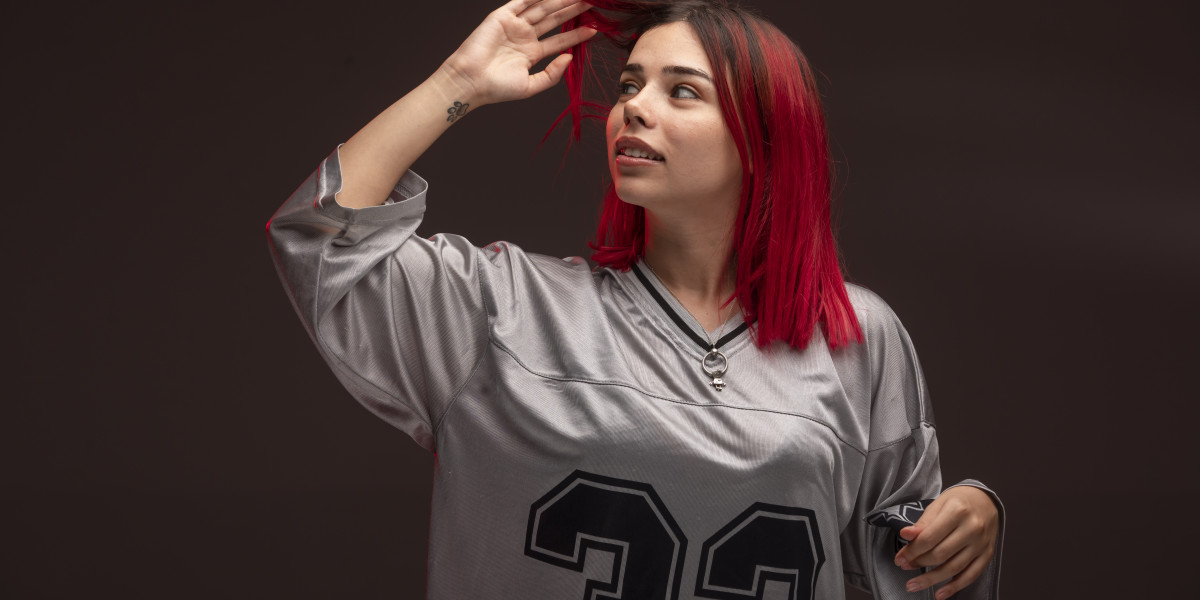

There is something very satisfying about an outfit built from a single color. It looks deliberate, polished and slightly dramatic, and it takes away the daily question of what matches what. A monochrome streetwear look, with an oversized tee, relaxed bottoms and matching shoes, gives you a clean, confident line that works on almost anyone.
The challenge is that one color can easily turn flat. Without enough variation in shade, texture and shape, a monochrome outfit can look like a uniform instead of a style choice. In this guide, we’ll go through how to build monochrome outfits that look rich and interesting, which colors work best and how to adapt the idea to Pakistan’s heat. If you’re also looking at a men oversized t shirt Pakistan buyers pair with matching bottoms, the principles below apply to every color and every body type.
What Monochrome Really Means
In its strictest form, monochrome means wearing one color from head to toe. In practice, most good monochrome outfits use several shades of the same color family rather than one flat tone. A black outfit might mix a soft washed black tee with deep black trousers, and a sand outfit might blend cream, beige and tan.
This distinction matters because variation is what keeps the outfit alive. Slightly different shades, fabrics and finishes create depth, while identical flat tones make every piece blur together. Think of monochrome as a single color story told in different tones and textures.
Why Oversized Tees Suit Monochrome Outfits
The oversized tee is a natural fit for this look. Its boxy shape gives the outfit a strong silhouette, and the loose fabric adds movement and volume that prevent the one-color effect from looking stiff. A dropped shoulder seam a few centimeters below your natural shoulder, sleeves ending near mid-bicep and a hem around the hip keep the shape looking deliberate.
The tee also works as the anchor for the color story. Once you choose the shade of the shirt, everything else follows naturally, which makes building the outfit quick. For a clear picture of what correct proportions look like, this guide to oversized vs regular fit explains the differences between cuts.
Choose Your Color
Not every color works equally well in a monochrome outfit, and Pakistan’s climate affects the choice. Black is the classic, looking sharp and urban, but it absorbs heat, so it suits evenings, winter and air-conditioned days better than peak summer afternoons. Charcoal and washed grey offer a softer alternative that handles heat slightly better.
Earth tones are especially forgiving. Sand, beige, stone and cream look warm and expensive, and they feel cool in hot weather. Olive and sage create an earthy, grounded look and hide sweat well, while navy gives a refined, deep alternative. White is striking but demanding, since it needs dense fabric to avoid showing through and regular washing to stay crisp.
Vary the Shades
The most important rule is to avoid flat, identical tones. Mix at least two or three shades within the same color family. A black outfit might use a faded black tee with true black trousers and charcoal shoes, and a sand outfit could pair a cream tee with beige trousers and tan footwear.
Small shade differences look intentional when they are clearly different, and sloppy when they are almost the same. If two blacks do not quite match, the mismatch is obvious, so either match them closely or choose shades that are clearly distinct. Washed and faded finishes help, since they create natural variation within one color.
Play With Texture
Texture is what makes monochrome interesting. When the color stays the same, the eye reads differences in surface instead, so mixing fabrics adds richness. Soft cotton on the tee, structured denim or twill on the bottoms and a leather or suede finish on the shoes all catch the light differently.
Aim for contrast between smooth and rough, matte and slightly shiny, soft and structured. A black cotton tee with black denim and black leather sneakers looks far more interesting than three identical flat fabrics. Even a ribbed knit layer or a canvas bag adds depth without breaking the color rule.
Balance the Volume
Monochrome outfits look best with a clear shape. When the tee is loose, give the bottoms some structure, such as straight jeans, tapered cargos or tailored trousers. If you prefer wide-leg or baggy bottoms, add structure elsewhere with a belt, a firm collar or a layered jacket.
The half-tuck is especially useful here. Tuck only the front corner of the tee into your waistband, and you show your waistline, break up the long block of color and make your legs look longer. Because everything is one color, the silhouette does the visual work, so proportions matter even more than usual.
Build an All-Black Outfit
The all-black outfit is the most recognizable monochrome look. Wear a washed black oversized tee with black straight jeans or tapered cargos, black chunky sneakers and a plain black cap. Mix a soft faded tee with deeper black bottoms for subtle variation.
Add small details to avoid a flat look, such as a silver chain, a watch or a leather belt. In Pakistan, wear it in the evening or in cooler months, choose breathable cotton and keep layers light. For more ready-made combinations in this style, these streetwear outfit ideas are easy to adapt.
Build a Sand and Beige Outfit
For warmer weather, a sand outfit is one of the most wearable monochrome looks. Wear a cream or sand oversized tee with beige or tan trousers and off-white sneakers, and add a simple watch. The tones flow into each other, creating a soft, premium line.
This look flatters most skin tones and handles heat well, since light earth tones reflect sunlight. It is also forgiving, since small shade differences between cream, sand and tan look intentional. Choose dense cotton around 200 GSM to avoid a see-through effect on lighter pieces.
Build an Olive Outfit
An olive monochrome look feels earthy and slightly military. Wear an olive or sage oversized tee with olive cargos in a different shade, plus dark green or black sneakers. Because olive can look flat when everything matches exactly, mix a lighter sage on top with a deeper olive on the bottom.
Olive hides sweat marks better than very pale shades, which makes it practical in humid weather. Choose thin cotton cargos with a tapered ankle so the outfit stays cool and controlled, and keep accessories simple.
Build a Grey Outfit
Grey is the most understated option. Wear a charcoal oversized tee with light grey trousers or washed grey jeans, and grey or white sneakers. The shift from dark to light grey creates natural depth, and the whole outfit feels calm and modern.
Avoid very light heather grey in humid weather, since it shows moisture clearly. Charcoal and mid-grey are safer, and a plain cap or bucket hat in a matching shade finishes the look.
Layer Within the Same Color
Layering is one of the best ways to add depth to a monochrome outfit. An open overshirt in a slightly different shade, a denim jacket in washed black or a bomber in a matching tone creates a staggered line without breaking the color story. A slim long-sleeve base underneath adds warmth and contrast of tone.
Stagger the hem lengths so each layer shows, since matching hems flatten the outfit. For denim shirts and relaxed layers that suit one-color outfits, these long-sleeve denim styles cover several options. For colder months, this winter jackets guide compares fabrics, styles and warmth.
Break the Rule on Purpose
A little contrast can sharpen a monochrome outfit, as long as it is deliberate. One small accent, such as white sneakers with an all-black outfit, a colored cap or a metallic watch, adds a focal point without breaking the overall effect. Keep it to a single item so the outfit still reads as one color story.
Accessories work well for this. A silver chain, a leather belt in a matching or complementary tone and simple sunglasses add detail without noise. Avoid loud logos and graphics, which pull attention away from the calm line you have built.
Adapting to Pakistan’s Weather
Monochrome outfits need extra care in hot weather, especially dark ones. In summer, choose light earth tones such as sand, cream and stone, breathable cotton around 180 to 220 GSM and thin bottoms. Save all-black outfits for evenings or air-conditioned plans.
In humid cities, mid-tones like sage hide sweat well, and a thin overshirt in your bag helps in cold indoor spaces. During the monsoon, darker tones hide splashes, and cropped bottoms with rubber-soled shoes keep you practical. Autumn and winter are ideal for darker monochrome looks with layers.
Common Mistakes to Avoid
The most common mistake is wearing identical flat tones, which makes the outfit look like a uniform. Another is mismatching two nearly identical shades, which looks accidental. Wearing thin, clingy fabric, sizing up too far, ignoring texture, skipping clean shoes and wearing heavy black in peak heat are the other usual traps. If an outfit feels flat, add a second shade, a different texture or one small accent.
Caring for Monochrome Outfits
Because the whole look depends on color, fading is the enemy. Wash tees inside out in cold water and separate darks from lights so shades do not bleed. Avoid hot dryers and harsh bleach, which fade color and shrink cotton, and air dry in the shade rather than under direct sun. Wash denim less often to preserve its color, and steam or lightly iron pieces before wearing.
Final Thoughts
A monochrome streetwear outfit with oversized tees comes down to a few smart habits: choose one color family, vary the shades slightly, mix textures, keep the shape balanced and add one small accent if you want it. Done well, a single color looks more considered than a mix of five.
Start with the color you wear most, build an outfit around a well-cut oversized tee and see how it feels. Once you understand the formula, you can try sand, olive, grey and black, and enjoy a wardrobe where everything goes together.




