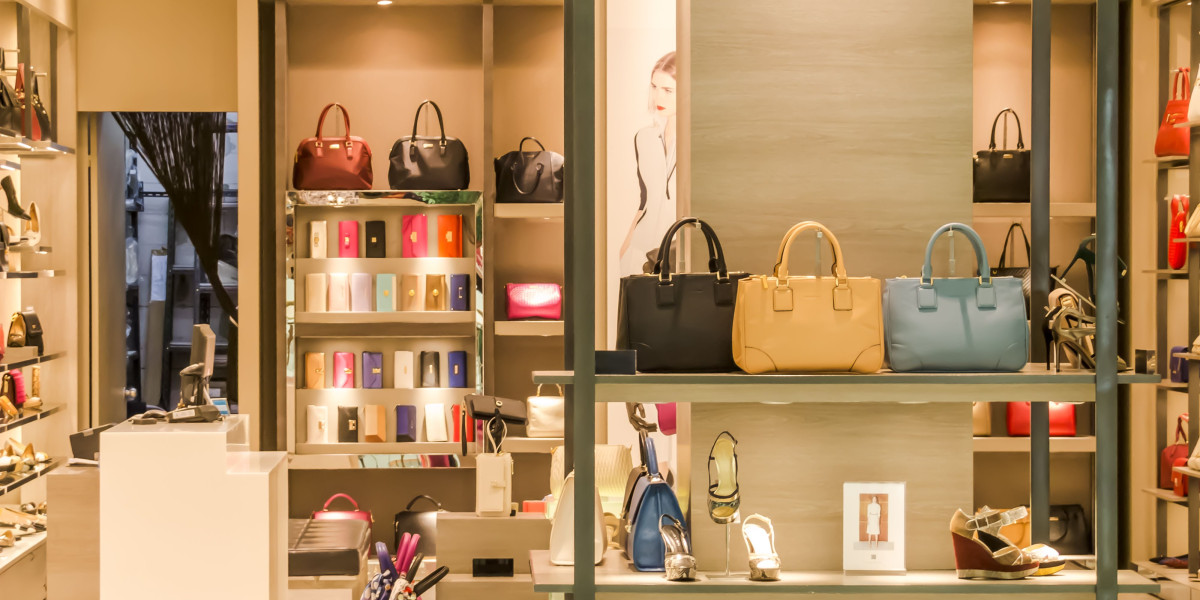

The luxury goods market represents a distinctive segment of the global consumer industry, bringing together premium fashion, designer accessories, fine jewelry, luxury watches, cosmetics, fragrances, and other exclusive lifestyle products. Luxury brands have traditionally been associated with exceptional craftsmanship, sophisticated designs, heritage, and exclusivity. However, changing consumer expectations and evolving shopping habits are reshaping how luxury products are designed, marketed, and purchased. Modern consumers increasingly look beyond product ownership and consider the overall experience, brand identity, and emotional connection associated with their purchases.
The growing interest in premium luxury products reflects how consumers connect quality, individuality, and personal expression with their purchasing decisions. Luxury brands are responding by developing distinctive collections, strengthening their brand identities, and offering shopping experiences that create meaningful relationships with customers. This transformation is encouraging businesses to rethink traditional luxury strategies while maintaining the exclusivity that defines the industry.
Changing Consumer Preferences in Luxury Shopping
Consumer preferences are among the most important factors influencing the luxury goods industry. Earlier, luxury purchases were frequently associated with traditional status symbols and established social identities. Today, customers are increasingly interested in products that reflect their personalities, individual tastes, and lifestyles.
Fashion enthusiasts may prefer designer clothing that combines timeless styling with contemporary creativity. Similarly, customers purchasing luxury watches or jewelry often consider design originality, craftsmanship, and the story behind the product. These preferences encourage brands to develop collections that offer more than visual appeal.
Younger consumers are also influencing the direction of luxury shopping. They frequently discover premium brands through digital platforms, fashion communities, social media, and online recommendations. As a result, luxury companies are investing in digital storytelling and modern communication strategies to remain relevant to changing audiences.
Importance of Brand Heritage and Craftsmanship
Brand heritage continues to play an important role in establishing luxury identity. Established luxury companies often build their reputations around distinctive designs, traditional manufacturing techniques, and recognizable brand philosophies.
Craftsmanship is particularly important because customers expect luxury products to demonstrate attention to detail and superior finishing. Carefully selected materials, skilled manufacturing, and creative design processes help distinguish premium products from mass-market alternatives.
Luxury companies are also highlighting the creative stories behind their collections. By communicating their design inspirations, manufacturing traditions, and artistic approaches, brands can create stronger emotional connections with consumers.
Maintaining this identity requires consistency. Businesses must balance innovation with their established reputation to ensure that new collections remain recognizable while attracting changing customer groups.
Digital Transformation in the Luxury Industry
Digital transformation has significantly changed how luxury products reach consumers. Online shopping platforms allow customers to explore collections, compare designs, discover new brands, and interact with companies without visiting physical stores.
Luxury businesses are developing visually sophisticated websites and digital shopping environments that reflect their brand personalities. High-quality product photography, detailed descriptions, virtual assistance, and personalized recommendations help improve the online shopping experience.
Social media has also become an important communication channel. Fashion campaigns, designer collaborations, product presentations, and lifestyle content allow brands to introduce their collections to broader audiences.
However, luxury companies must preserve their exclusive identity while expanding digital accessibility. A successful digital strategy should communicate sophistication, quality, and personalized service rather than focusing only on product availability.
Sustainability and Responsible Luxury
Sustainability is becoming an important consideration across the luxury goods industry. Consumers are increasingly interested in understanding the materials, production practices, and environmental responsibilities associated with the products they purchase.
Luxury brands are exploring responsible sourcing, durable product designs, improved packaging, and manufacturing practices that support long-term product quality.
The concept of longevity is particularly relevant to luxury products. Customers often appreciate items that maintain their appearance and functionality over extended periods. This creates opportunities for brands to emphasize timeless designs, repair services, and responsible product care.
Companies that communicate their sustainability commitments transparently can strengthen consumer confidence and develop a more meaningful brand identity.
Future Outlook
The luxury goods industry will continue evolving through changing consumer preferences, technological innovation, and the growing importance of personalized experiences. Brands that successfully combine traditional craftsmanship with contemporary design and digital engagement can strengthen their market positions.
Luxury businesses will also need to understand the different expectations of established customers and emerging consumer groups. Maintaining exclusivity while creating accessible digital experiences will remain an important strategic consideration.
Ultimately, the future of the luxury goods market will depend on how effectively brands deliver quality, creativity, authenticity, and meaningful customer relationships.
FAQs
Q1. What products are included in the luxury goods market?
The luxury goods market includes designer clothing, premium footwear, handbags, watches, jewelry, cosmetics, fragrances, and other exclusive lifestyle products.
Q2. What factors influence consumer demand for luxury goods?
Consumer demand is influenced by brand reputation, product craftsmanship, design originality, exclusivity, purchasing experiences, and changing lifestyle preferences.



