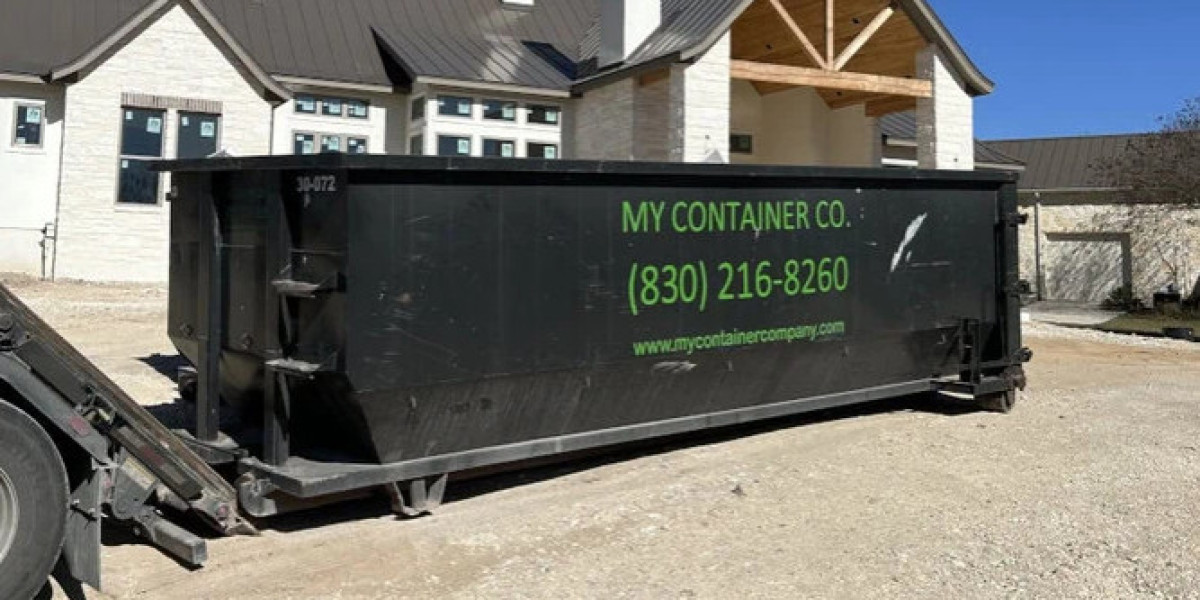

Large cleanup and construction projects often produce more debris than ordinary garbage collection can accommodate. Home renovations, commercial improvements, roofing work, and property clearances can generate bulky materials that require a dedicated collection solution.
A roll-off container provides a practical way to gather approved waste at a project location. Its open-top design makes it suitable for loading many types of construction debris, household clutter, and commercial waste.
Roll off dumpster rental gives customers temporary access to a container that can be delivered to a property and collected when the project is complete. Understanding container sizes, rental terms, accepted materials, and loading requirements helps make the process more organized.
What Is a Roll-Off Dumpster?
Understanding the Design
A roll-off dumpster is a large waste container designed to be transported using specialized equipment. The container is typically delivered to a site and placed in a designated location for temporary use.
Its open-top design allows customers to load approved materials from above. Some models also include a rear door that can make loading certain bulky items easier.
How the Rental Process Works
The process generally includes:
Estimating the amount and type of waste.
Selecting an appropriate container size.
Confirming the rental terms and price.
Scheduling delivery.
Loading approved materials.
Arranging collection when the project is complete.
The service may include delivery, a rental period, transportation, and disposal, depending on the provider's agreement.
Common Uses for Roll-Off Dumpsters
Home Renovation Projects
Renovations can produce drywall, flooring, wood, cabinets, fixtures, and packaging.
A roll-off dumpster can provide a central location for collecting this debris while keeping the work area more organized.
Roofing Projects
Roof replacement may generate shingles, underlayment, and other roofing materials.
A suitable container can help collect this waste, although the material's weight should be considered before choosing a size.
Construction and Remodeling
Construction projects often create a mixture of wood, drywall, packaging, and other approved building materials.
A roll-off container can support waste collection throughout different stages of a project.
Property Cleanouts
Garages, basements, storage areas, and commercial properties may contain unwanted furniture, broken equipment, boxes, and general clutter.
A container can make large cleanouts easier by keeping approved items in one place.
Commercial and Industrial Maintenance
Businesses may need additional waste capacity during renovations, equipment replacement, facility upgrades, or relocation.
Container size and accepted materials should be selected according to the project's specific requirements.
Benefits of Roll-Off Dumpster Rental
Convenient Waste Collection
A roll-off dumpster creates a central collection point for project debris. This can reduce scattered materials and make cleanup activities easier to manage.
Different Size Options
Roll-off dumpsters are available in several capacities, allowing customers to choose according to their expected waste volume.
Support for Large Projects
Larger containers can accommodate substantial amounts of approved debris from construction, remodeling, and commercial cleanouts.
Flexible Temporary Use
Rental arrangements allow customers to use a container for a defined period rather than arranging permanent waste storage.
Reduced Disposal Trips
Having a container near the work area can reduce repeated trips to a disposal facility. This may be particularly helpful for projects involving bulky or numerous items.
Understanding Roll-Off Dumpster Sizes
Choosing the right size requires estimating the amount and weight of the expected waste.
| Dumpster size | General applications |
|---|---|
| 10 yard | Small cleanouts and minor remodeling |
| 15 yard | Moderate household and renovation debris |
| 20 yard | Medium renovations and larger cleanouts |
| 30 yard | Extensive construction and commercial projects |
| 40 yard | Major construction and high-volume waste |
These sizes are general capacity categories. Exact dimensions and weight limits vary by provider.
Why Container Size Matters
Selecting a container that is too small may require an additional pickup or replacement. Choosing one that is unnecessarily large may increase project expenses.
Customers should describe the project and major waste materials when requesting a size recommendation.
What Affects Roll-Off Dumpster Rental Prices?
Container Size
The selected capacity is a major factor in the rental quote. Larger containers may have different delivery, rental, and disposal costs.
Rental Duration
Most rental arrangements include a defined period. Additional days may result in extension charges.
Disposal Weight
Rental agreements may include a specific weight allowance. Exceeding that allowance can lead to additional disposal fees.
Waste Type
Household clutter, construction debris, roofing materials, soil, and concrete may have different disposal requirements.
Certain waste categories may require separate handling or a dedicated container.
Delivery Location
Transportation distance and site access can influence the final cost. Customers should confirm whether delivery and collection are included.
Other Potential Fees
Possible additional charges include:
Excess weight fees
Extended rental charges
Restricted-material handling
Additional pickup or delivery
Placement-related charges
Customers should request a complete written quote that identifies included services and possible additional fees.
What Can Go Into a Roll-Off Dumpster?
Accepted materials depend on the provider and applicable local disposal requirements.
Commonly accepted materials may include:
Wood and lumber
Drywall and flooring
Furniture and cabinets
Cardboard and packaging
Approved roofing debris
General renovation waste
Certain landscaping materials
Restricted Materials
Some items may require specialized collection or disposal.
Examples include:
Paints and solvents
Chemicals and fuels
Batteries
Automotive fluids
Tires
Certain electronic equipment
Medical waste
Asbestos-containing materials
Customers should check the provider's material policy before loading the container.
Preparing for Roll-Off Dumpster Delivery
Choose a Suitable Location
The placement area should provide sufficient room for the container and delivery vehicle.
A driveway, private worksite, or designated commercial area may be suitable when it has adequate access and clearance.
Check Ground Conditions
A loaded container can place considerable weight on the ground. Customers should discuss the placement surface and possible protective measures with the provider.
Remove Delivery Obstacles
Parked vehicles, gates, overhead branches, utility lines, and other obstacles should be considered before delivery.
Review Local Requirements
Placement on a public road, sidewalk, or shared property may require permission. Customers should check local requirements before arranging service.
How to Load a Roll-Off Dumpster Safely
Plan the Loading Process
Sorting materials before loading can make better use of available space and help separate restricted waste.
Place Heavy Items Carefully
Heavy debris should be distributed evenly throughout the container. Dense materials should not be concentrated in one area.
Keep Waste Below the Fill Line
All materials must remain within the designated fill level. Items extending above the container can prevent safe transportation and collection.
Avoid Exceeding Weight Limits
A container can reach its weight allowance before it looks full. Customers should pay particular attention to concrete, soil, roofing materials, and masonry.
Follow Material Restrictions
Only approved waste should be placed inside the container. Restricted materials should be handled according to the provider's instructions.
How to Choose a Roll-Off Dumpster Rental Provider
Review Container Specifications
Customers should compare dimensions, volume, and weight allowances rather than relying only on general size labels.
Understand Rental Terms
The agreement should clearly identify the rental period, delivery arrangements, collection process, and extension policy.
Compare Complete Prices
A useful quote should explain the included services, weight allowance, and possible additional charges.
Confirm Waste Acceptance
Customers should provide a description of the materials and confirm that the provider accepts them.
Check Delivery Arrangements
The provider should explain placement requirements, access conditions, and any necessary local permissions.
Frequently Asked Questions
How long can a roll-off dumpster be rented?
The rental duration depends on the provider's agreement. Customers should confirm the included period and additional charges before scheduling delivery.
What size roll-off dumpster is suitable for home renovation?
The correct size depends on the project scope and expected debris. Smaller renovations may need a 10 or 15 yard container, while larger projects may require a 20 or 30 yard option.
Can a roll-off dumpster be used for commercial waste?
Many providers offer roll-off containers for commercial properties and construction sites. Available arrangements depend on waste type, volume, and service area.
Can heavy construction debris go into a roll-off dumpster?
Some providers accept heavy debris, but weight limits and material restrictions apply. Customers should confirm the correct container before loading concrete, soil, or masonry.
What happens after the dumpster is full?
Customers can arrange collection or replacement according to the rental agreement. The provider will explain available scheduling options.
Conclusion
Roll-off dumpster rental offers a practical waste collection solution for home renovations, construction activities, commercial projects, roofing work, and large property cleanouts. Different container sizes make it possible to choose an option based on project volume and material requirements.
Successful rental planning starts with selecting the right size, understanding weight limits, checking accepted materials, and preparing an accessible delivery location. Reviewing these details before booking helps customers manage project waste efficiently and avoid unnecessary complications.



