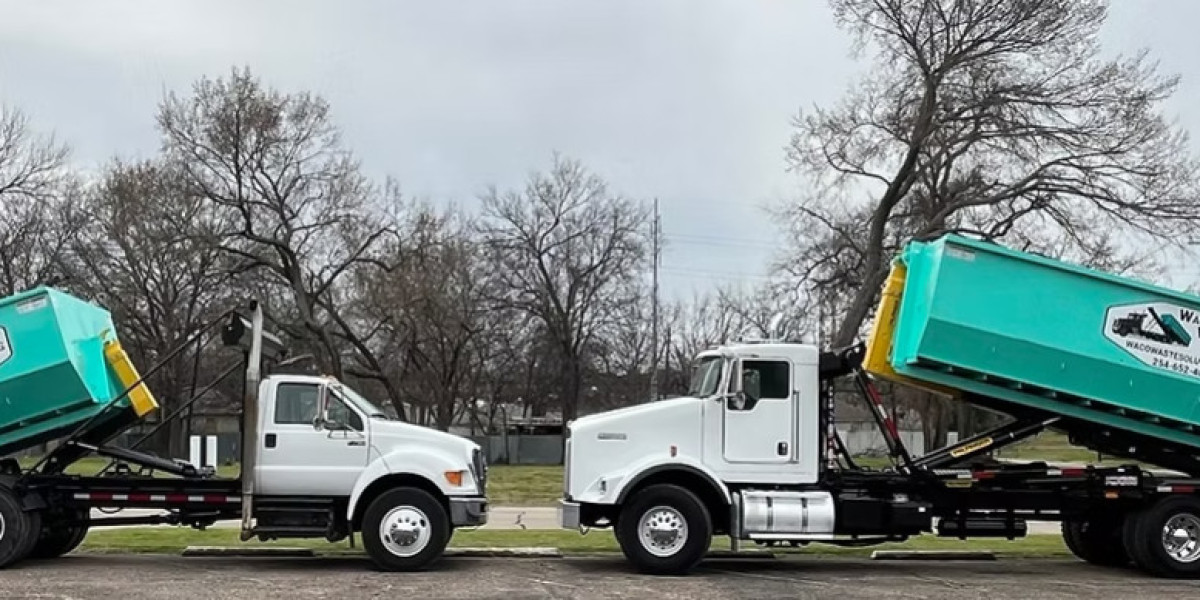

Construction projects create waste at nearly every stage. Demolition produces bulky debris, remodeling generates discarded fixtures and building materials, and new construction creates packaging, offcuts, and surplus supplies.
A suitable construction dumpster rental TX arrangement can provide a central collection point for permitted project debris. Selecting the right container and understanding rental conditions can help contractors and property owners maintain a more organized job site.
Why Construction Projects Need Dedicated Dumpsters
Managing Large Debris Volumes
Ordinary household containers are generally not designed for substantial construction waste. A renovation or demolition project can produce more material than regular collection can accommodate.
A dedicated dumpster allows workers to collect permitted debris in one location and arrange removal when the container is ready.
Supporting Job-Site Organization
Scattered debris can make a work area harder to manage. A designated waste container gives workers a consistent location for disposal and can help keep important access areas clearer.
Reducing Repeated Disposal Trips
Without a suitable collection arrangement, workers may need to transport small loads away from the site repeatedly. A temporary container can consolidate permitted waste for scheduled collection.
Projects That May Require a Construction Dumpster
Home Remodeling
Kitchen renovations, bathroom upgrades, flooring replacement, and interior remodeling can generate cabinets, drywall, wood, fixtures, and packaging.
The required dumpster size depends on how much material will be removed and whether the project involves structural changes.
Roofing Replacement
Roofing projects can generate shingles, underlayment, wood, and packaging. Roofing debris can be heavy, so contractors should review weight allowances and container restrictions before ordering.
Commercial Construction
Commercial improvements may involve larger spaces and greater volumes of building material. A suitable container can support demolition, installation, and final cleanup.
Demolition and Property Clearing
Demolition may produce mixed materials that require careful assessment. Some materials may be recyclable, while others may need separate or specialized handling.
Selecting the Right Dumpster Size
Match Capacity to Project Scope
Choosing a dumpster requires an estimate of the waste volume and weight. The largest container is not always necessary, and a small container may require additional service if it fills too quickly.
| Size | General Project Examples |
|---|---|
| 10 yard | Small repairs and limited debris |
| 15 yard | Smaller renovation work |
| 20 yard | Medium remodeling projects |
| 30 yard | Major renovations and larger cleanouts |
| 40 yard | Large construction and commercial work |
The listed applications are general planning examples. Actual dimensions, weight limits, and availability differ between providers.
Consider Material Weight
A container can reach its weight allowance before reaching its physical capacity. Concrete, brick, soil, and some roofing materials deserve particular attention.
Customers should explain the expected waste composition when requesting a recommendation.
Understanding Rental Terms and Costs
What May Be Included?
A rental agreement may include delivery, a specified rental period, a weight allowance, and one scheduled pickup. However, the exact package depends on the provider.
Customers should confirm each included service rather than assuming that every quote covers the same items.
Main Pricing Factors
| Factor | Details to Review |
|---|---|
| Dumpster size | Container capacity and dimensions |
| Rental period | Included days and extension rates |
| Weight allowance | Maximum included disposal weight |
| Waste category | Accepted and restricted materials |
| Delivery conditions | Access and placement requirements |
| Additional service | Extra pickup or container exchange fees |
A written quote helps clarify the full cost before work begins.
Preparing a Construction Site for Delivery
Choose a Suitable Location
The delivery location should provide enough room for the truck to approach and place the container. A stable, reasonably level surface is generally preferred.
Check for Obstructions
Before delivery, inspect the area for:
Overhead wires and branches.
Narrow gates or entrances.
Parked vehicles.
Construction equipment.
Soft or uneven ground.
Pedestrian access routes.
Review Placement Permissions
A container placed on private property may have different requirements from one placed on a public street. Customers should confirm whether local permission is necessary.
Materials Commonly Found in Construction Dumpsters
General Building Debris
Depending on the provider's rules, accepted materials may include wood, drywall, flooring, cabinets, packaging, and certain non-hazardous construction debris.
Roofing Materials
Shingles and related materials may be accepted under specific weight or loading conditions. Confirmation is important before delivery.
Materials That May Need Separate Handling
Certain materials should not be placed in a general construction dumpster without approval. Examples may include:
Chemicals and solvents.
Fuels and oils.
Batteries.
Paints and liquids.
Asbestos-containing materials.
Certain electronics.
Other regulated or hazardous waste.
When a material's status is uncertain, the provider should confirm the correct disposal method before it enters the container.
Loading a Construction Dumpster
Distribute Waste Evenly
Materials should be loaded in a balanced manner to avoid concentrating excessive weight in one area.
Stay Below the Fill Line
Waste should remain within the container's permitted loading level. Items extending over the sides can create transportation and collection problems.
Follow Heavy-Material Instructions
Concrete, masonry, and soil may have separate limits or container requirements. Customers should never assume that every dumpster can accept unlimited heavy debris.
Keep Access Clear
The container should remain accessible for pickup. Equipment, vehicles, and construction materials should not block the collection area.
How Contractors Can Improve Waste Planning
Estimate Waste During Project Preparation
Reviewing demolition plans, material lists, and construction stages can help estimate the type and amount of debris.
Schedule Around Project Milestones
A container may be needed at the beginning of demolition, during construction, or near final cleanup. Delivery and pickup should match the actual work schedule.
Track Container Usage
Monitoring how quickly the container fills can help contractors identify whether another pickup or a larger container may be needed.
Communicate With Workers
Workers should know which materials are permitted and where restricted items must be kept. Clear instructions reduce confusion during busy work periods.
Frequently Asked Questions
What size dumpster is suitable for construction work?
The correct size depends on project scope, debris volume, and material weight. A provider can make a recommendation after reviewing the work description.
Can a construction dumpster be used for roofing debris?
Some providers accept roofing materials, but weight limits and other restrictions may apply. Customers should confirm acceptance before ordering.
How long can a construction dumpster be rented?
Rental periods vary by provider and agreement. Customers should check the included duration and any extension charges.
Can hazardous materials go into a construction dumpster?
Hazardous and regulated materials generally require separate handling. They should not be loaded without explicit authorization and appropriate disposal instructions.
Conclusion
A construction dumpster can simplify debris collection for residential renovations, commercial improvements, roofing, and larger building projects. The key is to plan for waste volume, material weight, site access, and collection timing.
By reviewing rental terms and material restrictions before delivery, Texas contractors and property owners can create a more organized and efficient construction waste process.