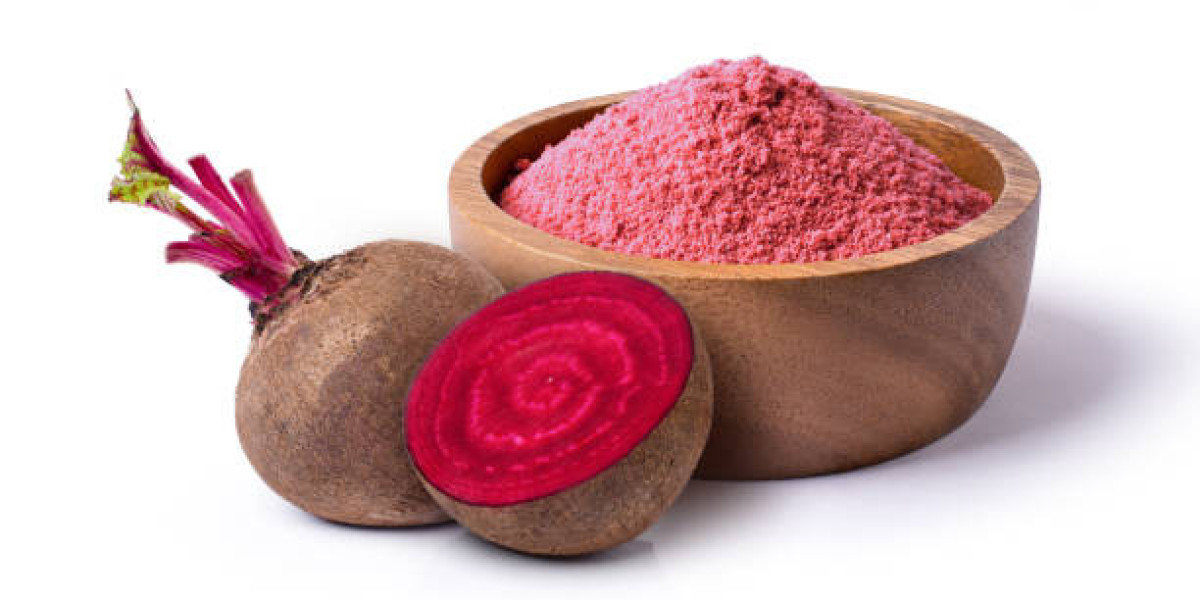

Beetroot Powder Market is attracting increasing interest as consumers and food manufacturers explore new opportunities involving plant-based ingredients and diversified nutritional products. The growing popularity of convenient food formats and vegetable-derived formulations is encouraging companies to expand their ingredient portfolios. Beetroot powder offers a practical alternative to handling fresh beetroot in many commercial applications because it can be stored, transported, and incorporated into different formulations. Food and beverage manufacturers are exploring its use in nutritional beverages, bakery products, dietary supplements, and specialty food preparations. These developments are creating opportunities for agricultural producers, ingredient processors, and brands operating across the global food supply chain.
The growing interest in beetroot-derived wellness and nutrition ingredients is encouraging businesses to explore new applications across the health food and specialty nutrition sectors. Consumers are increasingly interested in plant-derived ingredients that can be incorporated into everyday dietary routines. Beetroot powder is being used in smoothie blends, nutritional drink mixes, powdered supplements, and other formulated products. Manufacturers are also experimenting with different ingredient combinations to develop distinctive offerings. This growing application diversity is encouraging suppliers to improve processing quality and develop products suited to different commercial requirements.
The expanding wellness industry is creating opportunities for specialized ingredient suppliers. Consumers are exploring products designed for different lifestyle preferences, including fitness routines, convenient nutrition, and plant-based diets. Beetroot powder is attracting attention among brands developing specialized nutritional formulations because of its naturally occurring dietary components. Sports nutrition companies are also examining beetroot-based ingredients in relation to the scientific interest surrounding dietary nitrates. These developments are encouraging manufacturers to invest in research, product testing, and formulation expertise. Accurate nutritional information remains essential when communicating product benefits to consumers.
Agricultural sourcing will remain important for the development of this industry. Consistent access to suitable beetroot raw materials is essential for manufacturers seeking to maintain reliable product quality. Agricultural practices, harvesting conditions, raw material handling, and storage can influence the characteristics of the final powder. Ingredient processors must establish suitable supplier relationships and quality evaluation procedures to support production requirements. Improved coordination between farmers and processors can help strengthen supply chain efficiency. Companies that prioritize traceability and dependable sourcing may be better positioned to serve food manufacturers with consistent ingredient specifications.
Processing technology is another area creating future opportunities. Manufacturers are exploring improved drying, grinding, screening, and packaging techniques to maintain powder quality and support different food applications. Appropriate processing can help manage moisture content, particle size, color, and storage stability. Companies are also evaluating packaging materials that protect products against environmental exposure during transportation and storage. Investment in modern processing infrastructure can improve operational efficiency and product consistency. These improvements are particularly relevant for suppliers serving international customers with specific ingredient quality requirements.
Sustainable manufacturing is becoming an increasingly relevant consideration. Food companies are examining opportunities to improve agricultural resource utilization, reduce production waste, and optimize processing operations. Beetroot processing can generate different by-products, creating potential opportunities for improved resource management where suitable applications exist. Businesses are also considering efficient energy use and responsible packaging approaches. These initiatives can support broader sustainability objectives while improving operational practices. However, companies must ensure that sustainability initiatives are practical, measurable, and aligned with applicable food safety and quality requirements.
Digital distribution is helping specialized beetroot powder brands reach new customer groups. E-commerce platforms and health-focused online retailers provide opportunities for manufacturers to introduce products beyond conventional food distribution channels. Consumers can explore different powder formats, product descriptions, and application suggestions before purchasing. Digital marketing also helps brands share recipes and explain possible uses in beverages, smoothies, and nutritional preparations. Specialty retailers and ingredient distributors continue to play an important role in reaching commercial customers. Combining digital visibility with reliable distribution can help businesses expand their market presence.
Looking ahead, the Beetroot Powder Market is expected to evolve through product diversification, improved ingredient processing, and increasing applications across food and nutrition industries. Manufacturers are likely to explore specialized formulations and strengthen sourcing partnerships to maintain consistent quality. Growing interest in plant-derived ingredients may also encourage additional research and product development. Nevertheless, businesses must manage competition, raw material availability, manufacturing costs, and regulatory requirements. Companies that focus on reliable ingredients, effective processing, and application-specific innovation may be better positioned to capture emerging opportunities in the global beetroot powder industry.
Frequently Asked Questions
What is the future potential of beetroot powder?
Expanding food applications, plant-based nutrition, and specialty beverages offer opportunities.
How is beetroot powder manufactured?
Beetroot is processed through preparation, drying, grinding, and packaging operations.
Which businesses use beetroot powder commercially?
Food manufacturers, beverage companies, supplement brands, and specialty ingredient suppliers.