
Finding the smallest dumpster rental can be an effective solution for homeowners, renters, and contractors managing small cleanup or renovation projects. Not every project requires a large waste container, and choosing a compact dumpster can help reduce unnecessary expenses while providing enough space for unwanted materials.
Small dumpsters are commonly used for garage cleanouts, bathroom remodeling, landscaping, minor construction work, and household decluttering. Depending on the rental provider, available options may include compact commercial containers, mini roll-off dumpsters, and small trailer dumpsters.
Understanding dumpster sizes, dimensions, weight limits, rental costs, and placement requirements makes it easier to select the right container. The best small dumpster rental provides sufficient capacity without requiring customers to pay for unnecessary space.
What Is the Smallest Dumpster You Can Rent?
Understanding Small Dumpster Sizes
The smallest dumpster rental available depends on the type of container and the rental provider. Some waste management companies offer containers as small as 2 or 3 cubic yards, while temporary roll-off rentals commonly begin around 10 cubic yards.
Small commercial dumpsters are generally designed for ongoing waste collection at businesses, restaurants, and residential properties. Mini roll-off dumpsters, on the other hand, are intended for temporary projects that generate a limited amount of debris.
A 2-yard dumpster is among the smallest commonly available commercial containers. It is generally suitable for locations that produce limited amounts of everyday garbage. A 3-yard container provides slightly more capacity, making it useful for small businesses and properties with moderate waste requirements.
For temporary residential projects, a 10-yard roll-off dumpster is often one of the smallest commonly available options. It can accommodate various household cleanup and renovation materials without requiring the space of a much larger container.
Dumpster availability varies by provider and location, so the smallest commercial container may not be available for temporary residential rental.
Smallest Commercial Dumpster vs. Smallest Roll-Off Dumpster
Commercial dumpsters and roll-off dumpsters serve different waste management purposes. Commercial containers are generally placed at permanent collection locations and emptied regularly according to an established schedule.
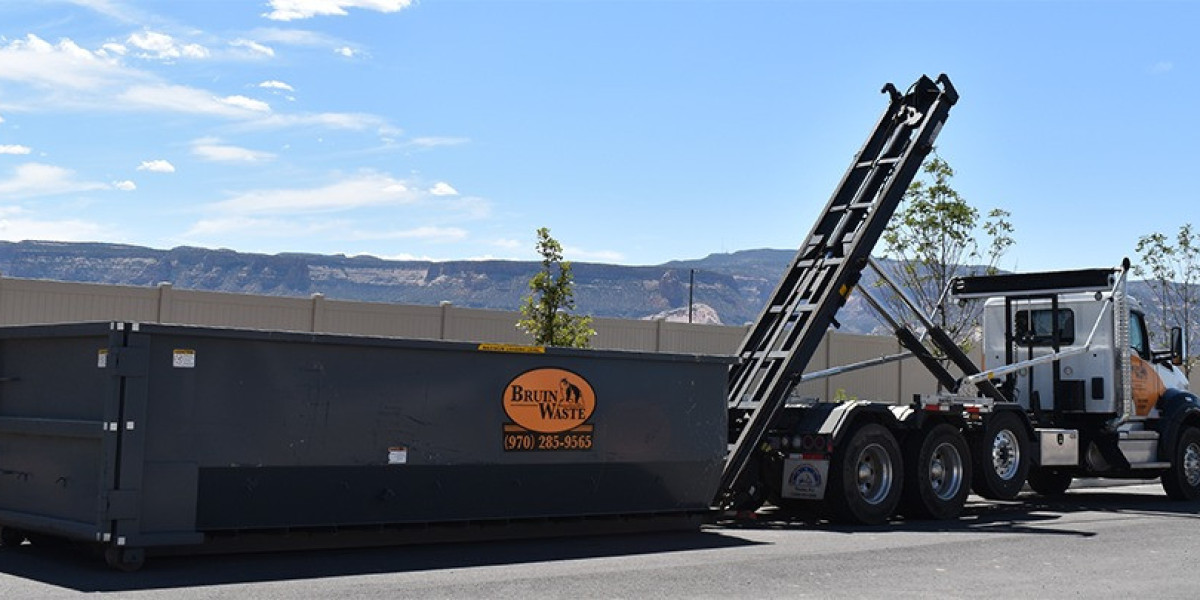
Roll-off dumpsters are delivered temporarily for specific projects and removed when the rental period ends. They are commonly used for home renovations, property cleanouts, landscaping, and construction activities.
A 2-yard commercial dumpster may be smaller than a 10-yard roll-off container, but its rental arrangement may not accommodate temporary residential projects. Customers should confirm the type of rental service offered before making a decision.
Different Types of Small Dumpster Rentals
2-Yard Dumpster Rental
A 2-yard dumpster is one of the smallest commonly offered commercial waste containers. It is designed for locations generating relatively small quantities of routine garbage.
Small businesses, offices, and other properties may use these containers when larger dumpsters are unnecessary. They can accommodate limited packaging materials, everyday office waste, and general commercial garbage.
However, a 2-yard container is generally not intended for extensive household cleanouts or construction projects. Its limited capacity makes it more suitable for routine waste collection than temporary renovation work.
3-Yard Dumpster Rental
A 3-yard dumpster offers slightly more capacity than a 2-yard container while maintaining a relatively compact footprint. It can be suitable for businesses and properties that generate moderate amounts of everyday waste.
Small retail establishments, offices, and residential communities may benefit from this container size. It provides additional storage capacity without requiring the space of a larger commercial dumpster.
Before choosing this option, customers should confirm whether the provider offers temporary rental arrangements or only recurring commercial collection services.
5-Yard Dumpster Rental
A 5-yard dumpster can provide a useful middle ground between very small commercial containers and larger roll-off options. Depending on availability and container design, it may accommodate compact cleanup projects and limited quantities of household debris.
This size can be useful for small garage cleanouts, minor landscaping activities, and household decluttering. However, 5-yard temporary dumpsters are not universally available, so local rental options should be checked before planning a project around this size.
10-Yard Dumpster Rental
A 10-yard dumpster is one of the most popular compact roll-off rental options. It provides approximately 10 cubic yards of capacity and can accommodate several smaller residential and renovation projects.
Homeowners commonly use this size for garage cleanouts, bathroom remodeling, flooring removal, yard cleanup, and minor construction debris.
A 10-yard container is often a practical choice for people who need temporary waste removal without renting a much larger dumpster. Its compact capacity can also make placement easier at properties with limited available space, depending on the container dimensions.
What Projects Are Best for a Small Dumpster Rental?
Garage and Basement Cleanouts
Garages and basements often accumulate unwanted furniture, boxes, broken equipment, packaging, and miscellaneous household materials. Removing these items can create a significant amount of waste, even when the cleanup involves only one part of a property.
A small dumpster provides a convenient disposal point while homeowners organize these spaces. A 10-yard container may be sufficient for a relatively small cleanup, depending on the amount and type of material being removed.
Choosing an appropriately sized dumpster helps prevent unnecessary rental expenses and reduces the possibility of running out of available space.
Bathroom Remodeling
Bathroom renovation projects can generate old fixtures, flooring, cabinets, tiles, and other construction debris. A compact roll-off dumpster may be suitable for smaller remodeling jobs where the amount of waste remains manageable.
However, dense materials such as tile, concrete, and ceramic fixtures can reach weight limits quickly. Renters should confirm the permitted weight allowance before selecting a container.
Yard and Landscaping Projects
Small landscaping projects frequently generate branches, leaves, grass clippings, and other organic materials. A suitable small dumpster can provide a convenient way to collect these materials during outdoor maintenance.
Some rental providers have separate disposal requirements for yard waste. Customers should confirm whether organic materials are accepted and whether special containers or collection arrangements are required.
Small Construction and DIY Projects
Home improvement activities can produce drywall, wood scraps, flooring, packaging, and other construction debris. A 10-yard dumpster may be useful for limited renovation work where the volume of debris remains manageable.
Larger projects may require additional capacity or multiple disposal arrangements. Estimating the amount of waste before renting can help prevent unexpected costs.
How Much Does the Smallest Dumpster Rental Cost?
Factors That Affect Rental Pricing
Small dumpster rental costs vary depending on location, container size, rental duration, disposal requirements, and provider policies. The smallest available container is not necessarily the cheapest option once delivery and disposal charges are considered.
Container size is one of the primary factors influencing rental prices. Larger dumpsters generally cost more because they provide additional capacity and may involve higher transportation and disposal expenses.
Rental duration can also influence the total cost. Some providers include a specific number of rental days, while longer rental periods may involve additional charges.
The included weight allowance is another important consideration. Most rental arrangements establish a maximum disposal weight, and exceeding that limit can result in additional fees.
Customers should compare the complete rental price rather than relying only on the advertised starting rate.
Understanding Additional Rental Charges
Delivery and pickup fees may be included in the rental package or billed separately. Some companies also charge additional amounts for extending the rental period, exceeding weight limits, or disposing of restricted materials.
Location can influence pricing because transportation distances, local disposal costs, and container availability vary between service areas.
Before accepting a rental agreement, customers should understand the included services, permitted materials, rental duration, and potential additional expenses. This makes it easier to identify a suitable option without unexpected charges.
How to Choose the Right Small Dumpster Size
Estimate the Amount of Waste
Before renting a dumpster, homeowners should identify the materials being removed and estimate their total volume. A cleanup involving a few household items may require considerably less space than a complete garage cleanout.
Bulky objects should be considered separately because furniture, mattresses, and large appliances can occupy substantial container space.
When the expected waste volume is uncertain, discussing the project requirements with the rental provider can help determine an appropriate size.
Consider the Type of Materials
Different materials have different weights and disposal requirements. Wood scraps and cardboard may occupy considerable space without reaching the same weight as concrete, soil, or roofing materials.
Heavy construction debris can quickly exceed the included weight allowance, even when the dumpster is not completely full.
Customers should review weight restrictions and accepted waste categories before selecting a container.
Measure the Available Placement Area
A small dumpster can still require considerable space for delivery and pickup. Before scheduling delivery, homeowners should evaluate the available driveway area and ensure that the delivery vehicle has sufficient access.
Overhead clearance, nearby trees, utility lines, ground stability, and local placement restrictions can also influence where a dumpster can be positioned.
Preparing the placement area in advance helps prevent delivery difficulties and reduces the risk of property damage.
Avoid Renting a Container That Is Too Small
Choosing the smallest possible dumpster may initially appear economical, but insufficient capacity can create additional expenses.
A container that becomes full before the project is completed may require another rental or an additional waste removal arrangement.
Selecting a slightly larger container can sometimes provide better overall value, particularly when the project involves bulky materials or uncertain waste quantities.
What Cannot Go Into a Small Rental Dumpster?
Dumpster rental companies generally restrict certain materials because of safety, environmental, and disposal regulations.
Hazardous chemicals, paints, solvents, batteries, medical waste, fuel, and flammable liquids are commonly restricted. Certain electronic products, tires, appliances, and asbestos-containing materials may also require specialized disposal arrangements.
Concrete, dirt, roofing materials, and other heavy debris can have separate loading and weight restrictions.
Customers should always confirm prohibited materials and local disposal requirements before placing waste inside a rental container.
Following disposal guidelines helps prevent additional fees, collection delays, and environmental hazards.
Tips for Getting the Most Out of a Small Dumpster Rental
Making proper use of a small dumpster requires some preparation. Breaking down suitable furniture, flattening cardboard boxes, and organizing waste before loading can help maximize the available space.
Large objects should be positioned carefully to reduce unused gaps. However, renters should never exceed the container's fill line or attempt to force additional materials into an overloaded dumpster.
Keeping restricted materials separate from general waste is equally important. Hazardous substances and other prohibited items should be handled according to appropriate disposal requirements.
Customers should also confirm the pickup schedule and rental terms before beginning the project. Proper planning helps prevent unnecessary rental extensions and additional transportation charges.
Frequently Asked Questions About the Smallest Dumpster Rental
What Is the Smallest Dumpster Available for Rent?
Some providers offer commercial dumpsters as small as 2 cubic yards. Temporary roll-off dumpster rentals commonly start around 10 cubic yards, although availability differs by location and rental company.
Is a 10-Yard Dumpster Considered Small?
Yes. A 10-yard dumpster is generally considered a small roll-off container. It is commonly used for residential cleanouts, minor renovations, landscaping projects, and limited construction work.
Can a Small Dumpster Fit in a Driveway?
Many compact dumpsters can fit in residential driveways, but available space depends on container dimensions and delivery vehicle requirements. Customers should measure the placement area and confirm clearance requirements before scheduling delivery.
How Long Can a Small Dumpster Be Rented?
Rental periods vary by provider. Some companies offer short rental periods, while others provide weekly arrangements or longer rental agreements. Additional charges may apply when the agreed rental period is extended.
Is a Small Dumpster Suitable for Construction Debris?
Yes. Small dumpsters can accommodate certain construction materials, including wood, drywall, and flooring. However, heavy materials such as concrete and soil may have strict weight restrictions.
Is a Mini Dumpster Cheaper Than a Large Dumpster?
A mini dumpster often has a lower base rental price because it provides less capacity. However, the final cost depends on transportation, rental duration, disposal weight, and additional fees.
Conclusion
The smallest dumpster rental can provide a practical and economical waste removal solution for homeowners, businesses, and contractors managing smaller projects. Available options may range from compact 2-yard commercial containers to 10-yard roll-off dumpsters designed for temporary residential cleanouts and renovations.
Choosing the right size requires evaluating waste volume, material weight, rental costs, placement requirements, and available service options. Understanding these factors can help customers avoid unnecessary expenses while ensuring that the selected container meets their project requirements.
The most suitable small dumpster is not necessarily the smallest container available. It is the container that offers enough capacity, meets project requirements, and provides the best overall rental value.



