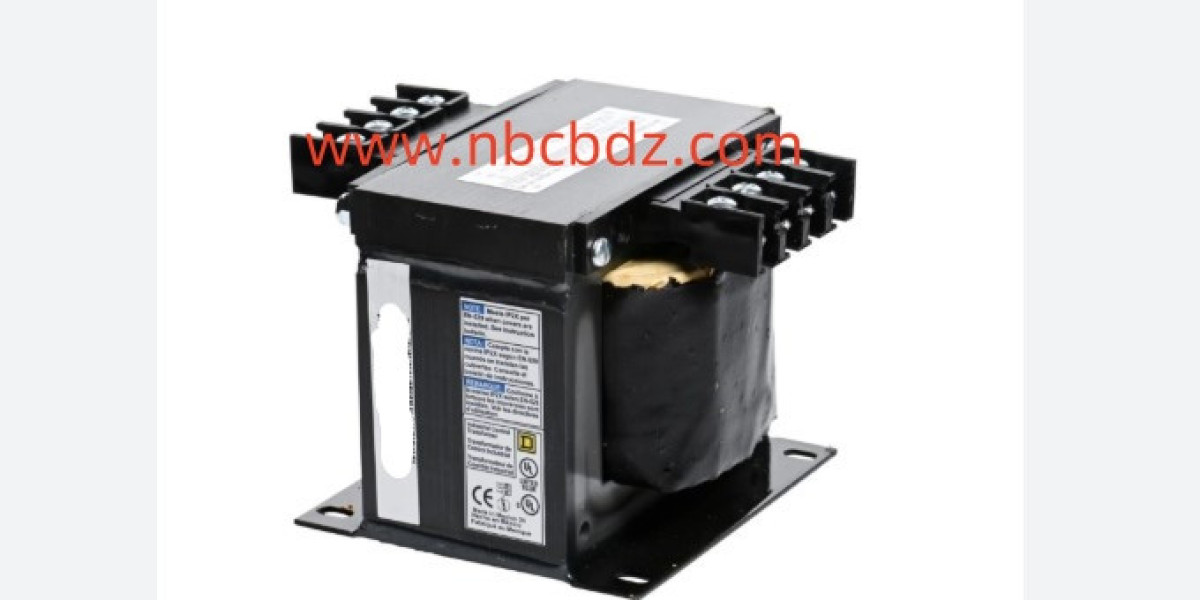

A transformer’s reliability is shaped long before it reaches the equipment in which it will operate. Material selection, supplier management, winding workmanship, and protective treatments all influence how consistently the component performs. When evaluating a Square Transformer Factory, purchasers should look beyond the finished product and understand the manufacturing decisions behind it. This broader perspective helps equipment developers assess product suitability, compare suppliers, and reduce uncertainty during procurement.
The material system begins with the magnetic core and its supporting components. Electrical steel is commonly selected for laminated transformer cores because it provides a suitable path for magnetic flux. However, material quality is not simply a matter of choosing a familiar category. Consistent material characteristics, clean surfaces, and controlled handling help manufacturers maintain predictable production results. The bobbin and other structural parts must also provide appropriate support for the windings while remaining compatible with the insulation system.
Winding conductors require careful consideration as well. Copper is widely used because of its conductivity and established role in electrical manufacturing. Its condition, surface quality, and handling during winding can influence the finished coil. Insulating paper, films, sleeves, and other dielectric materials protect the separation between conductive sections. These materials should be selected as a coordinated system, taking account of operating conditions and the intended service environment. A suitable combination helps prevent the internal construction from becoming the weak point of an otherwise carefully designed transformer.
For procurement teams, understanding the factory’s material management process can be as important as reviewing a product sample. Buyers can ask how incoming materials are checked, whether suppliers are evaluated regularly, and how different material batches are identified during production. Traceability is particularly useful when an equipment manufacturer needs to investigate a field issue or reproduce an earlier order. Clear records make it easier to connect a finished component with its material sources and manufacturing history.
Product selection should begin with the equipment’s actual operating context. The transformer may be intended for a control cabinet, household appliance, audio system, industrial device, or another electrical application. Each environment creates different priorities. Some projects place greater emphasis on low audible noise, while others require particular insulation arrangements, mechanical protection, or compatibility with an existing assembly. Buyers should communicate the application, electrical requirements, installation conditions, and expected operating pattern before requesting a quotation. This gives the manufacturer a meaningful basis for recommending a suitable construction rather than simply offering a standard item.
The manufacturing process also influences how well the transformer handles everyday operating conditions. During winding, conductors must follow the intended arrangement without unnecessary damage or irregular tension. Insulation needs to remain correctly positioned, and the assembled core should be handled carefully. Some transformer designs use varnish impregnation or other protective treatments to help secure internal components and reduce movement. When appropriately selected and applied, these processes can support mechanical stability and help manage vibration. Their suitability depends on the design and the intended working environment.
A transformer works through electromagnetic induction, transferring energy between windings through the magnetic field established in its core. Its behavior is influenced by the interaction of core characteristics, winding construction, insulation, and the connected electrical system. Heat and audible vibration are practical considerations because they can affect the surrounding equipment and the experience of people using it. Engineers should evaluate the transformer under representative operating conditions rather than relying only on its appearance or a general product description. Installation, ventilation, and the behavior of nearby components also contribute to the final result.
Quality control should cover more than a final visual check. Incoming material inspection, winding process checks, assembly review, and finished-product testing provide different opportunities to identify problems. A consistent inspection process can help detect damaged insulation, loose connections, incorrect assembly, or deviations from the approved design. For repeat purchasing, buyers may also request agreed inspection criteria and relevant production records. These arrangements make supplier evaluation more objective and help maintain consistency when orders are repeated or transferred between production schedules.
The user experience of a transformer is often reflected in the equipment’s behavior rather than in the component itself. Unwanted humming, excessive vibration, difficult servicing, or inconsistent replacement parts can all create inconvenience. A well-made transformer should be appropriate for its intended environment and should not introduce avoidable complications into the finished product. Protective finishing can help preserve the internal assembly, while a clean external surface makes handling and inspection more straightforward. Maintenance personnel also benefit when product identification and connection arrangements are clearly documented.
Design and appearance remain important because they influence both manufacturing and equipment presentation. A square profile can provide a recognizable form for product planning, but the quality of its finish depends on details such as protective wrapping, coil covering, surface treatment, and assembly neatness. Consistent workmanship makes products easier to inspect and can support a more organized production line. For customized projects, manufacturers may discuss changes to the external protection, lead arrangement, or supporting structure while keeping the electrical design requirements in view.
Ningbo Chuangbiao Electronic Technology Co., Ltd. manufactures a range of electronic transformers, with products including square transformers and other designs for different equipment applications. The company states that it selects materials from approved suppliers, uses CNC equipment and automated testing systems, and carries out quality inspections before products leave the factory. Its services cover design, procurement, manufacturing, quality assurance, and customer support. It also develops customized transformers based on customer drawings or samples. Buyers can review its product range and discuss project requirements at https://www.nbcbdz.com/product/.



