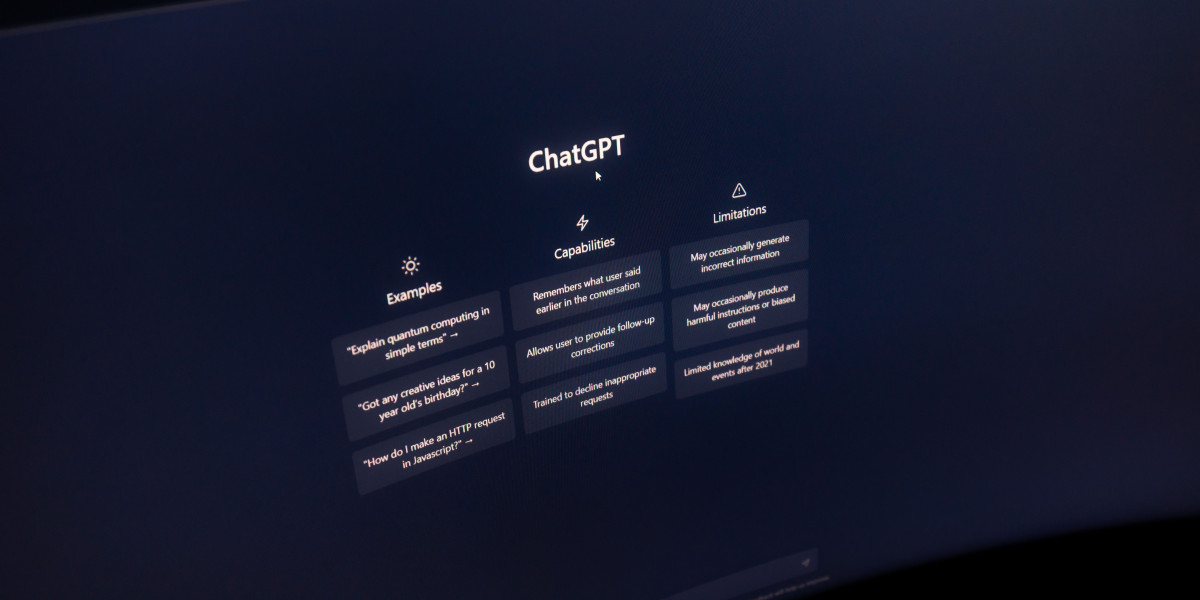

The growing complexity of space missions is creating opportunities for advanced technologies that can improve operational efficiency, support decision-making, and simplify mission management. Among these emerging technologies, space-based artificial intelligence assistants are gaining attention for their potential to transform how space systems operate. These intelligent solutions combine artificial intelligence with space-based infrastructure to support communication, data interpretation, operational coordination, and mission-related activities.
The increasing interest in space-based AI assistant technology reflects the broader movement toward intelligent automation and autonomous capabilities in the aerospace industry. As space missions become more sophisticated, organizations are exploring AI-powered assistants that can help process information, support astronauts, improve spacecraft interactions, and provide assistance in complex operational environments.
Growing Importance of Artificial Intelligence in Space Operations
Space missions involve multiple interconnected systems that require continuous monitoring and coordination. Managing spacecraft operations, satellite communication, navigation activities, and mission information can become challenging without intelligent support systems. Artificial intelligence assistants offer opportunities to simplify these processes through automated information handling and intelligent responses.
These assistants can support mission teams by organizing operational information, interpreting requests, and helping users interact with complex technological systems. Their capabilities can also contribute to more efficient workflows by reducing the need for repetitive manual activities.
As the space industry continues to explore autonomous technologies, intelligent assistants are becoming an interesting area of technological development. Their integration could support both human-operated missions and increasingly autonomous space infrastructure.
Applications Across Satellite and Spacecraft Systems
Satellite operations represent an important application area for space-based artificial intelligence assistants. Satellites generate and transmit information that must be interpreted and managed effectively. AI-powered systems can support operators by helping organize operational data, identify relevant information, and simplify communication between different systems.
Spacecraft environments also present opportunities for intelligent assistants. During missions, astronauts and ground teams may need access to technical information, operational instructions, and system-related guidance. AI assistants could provide an interactive interface for retrieving relevant information and supporting routine mission activities.
Another potential application involves space exploration. Robotic missions often operate in environments where direct human intervention is limited. Intelligent assistance capabilities could help coordinate activities, interpret mission information, and support autonomous decision-making.
Role of Natural Language Processing
Natural language processing is an important technology behind intelligent assistant systems. It allows users to interact with digital systems through conversational commands instead of relying entirely on traditional interfaces.
In space environments, conversational interfaces could simplify interactions between astronauts and onboard systems. Users may be able to request information, retrieve instructions, or communicate with operational platforms through natural language.
This capability can make complex systems easier to use, particularly when mission personnel need to access information quickly. Natural language processing can also support multilingual communication and improve interactions between human operators and intelligent software platforms.
Integration with Autonomous Space Technologies
The development of autonomous space technologies is closely connected with the potential growth of AI assistants. Modern space systems increasingly require capabilities that support independent operations, automated monitoring, and intelligent responses.
AI assistants could complement autonomous spacecraft by helping interpret operational requirements and organize system information. They may also support communication between different onboard technologies, contributing to more coordinated mission activities.
The integration of artificial intelligence with robotics, satellite networks, and spacecraft systems could create opportunities for more intelligent space infrastructure. However, successful implementation will require careful attention to reliability, system compatibility, and operational security.
Key Opportunities in the Market
The space-based artificial intelligence assistant market presents opportunities across several areas of the aerospace ecosystem.
Satellite communication: Intelligent assistants can simplify interactions with satellite-based systems and support information management.
Space exploration: AI-powered assistance can help mission teams manage complex exploration activities.
Astronaut support: Conversational systems can provide access to instructions and operational information.
Autonomous spacecraft: Intelligent software can complement automated mission processes.
Ground control operations: AI assistants can support information retrieval and operational coordination.
These opportunities demonstrate how intelligent assistance could become an important part of future space technology development.
Challenges Affecting Market Development
Despite its potential, the development of space-based AI assistants involves several challenges. Space environments require technologies that can operate reliably under demanding conditions. Software systems must be designed to handle communication interruptions, limited computing resources, and operational uncertainties.
Cybersecurity is another important consideration. Space-based systems handle sensitive operational information, making secure communication and data protection essential. AI assistants must also provide dependable responses because inaccurate information could create difficulties during critical mission activities.
Another challenge involves integrating AI technologies with existing spacecraft and satellite infrastructure. Compatibility, testing, and system reliability will remain important considerations for organizations exploring these solutions.
Future Outlook
The future of space-based artificial intelligence assistants will be influenced by developments in machine learning, natural language processing, satellite communication, and autonomous spacecraft technologies. As space missions become more interconnected, the demand for intelligent systems capable of simplifying operations may continue to attract attention.
AI assistants could gradually become useful interfaces between human operators and increasingly complex space infrastructure. Their potential applications extend across commercial satellite operations, scientific missions, spacecraft management, and human space exploration.
The evolution of this technology will depend on the ability of developers and aerospace organizations to create reliable, secure, and adaptable solutions. As artificial intelligence becomes more integrated into aerospace systems, space-based assistants may contribute to a more connected and intelligent space environment.
FAQs
Q1. What is a space-based artificial intelligence assistant?
A space-based artificial intelligence assistant is an AI-powered system designed to support space-related activities through intelligent communication, information retrieval, operational assistance, and automated interactions with spacecraft or satellite systems.
Q2. Where can space-based AI assistants be used?
Potential applications include satellite operations, spacecraft management, astronaut assistance, autonomous space exploration, mission coordination, and ground control activities.