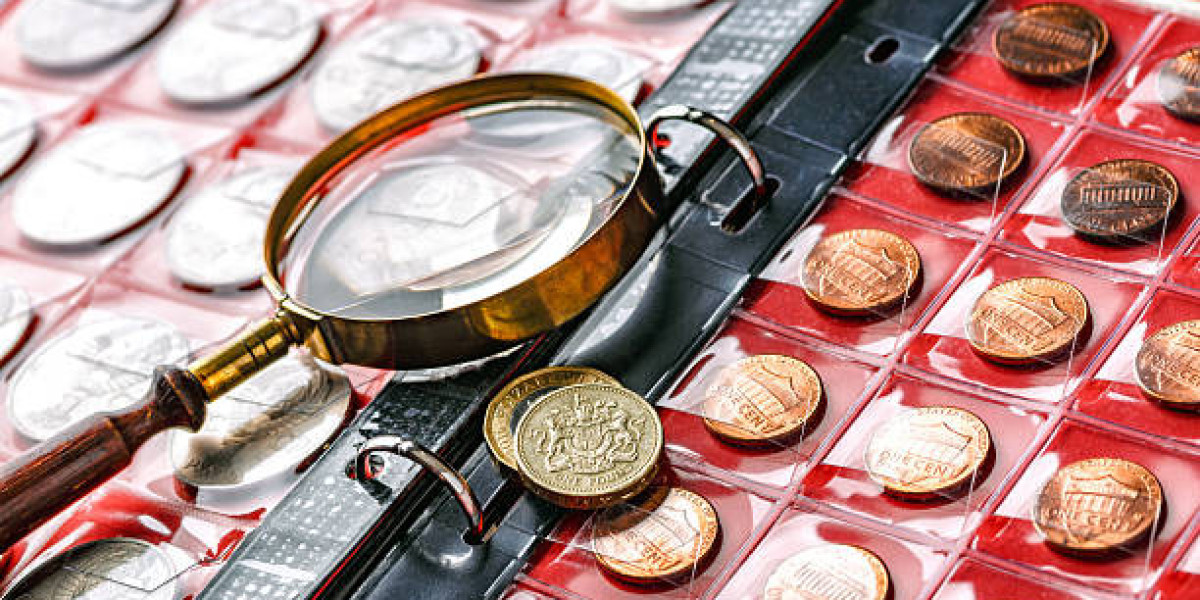

Coin Collecting Market continues to attract attention from collectors, history enthusiasts, investors, and individuals interested in preserving valuable cultural artifacts. Coins represent more than monetary instruments because they provide insights into historical periods, political developments, artistic traditions, and economic transformations. As interest in tangible collectibles expands, people are increasingly exploring coin collecting as a meaningful hobby and a specialized collecting activity. From ancient currency to modern commemorative editions, different categories of coins offer opportunities to discover unique designs, historical stories, and manufacturing techniques that make each collectible distinctive.
The growing popularity of this hobby is encouraging greater interest in numismatic collectibles and rare currency collections, particularly among individuals seeking distinctive historical items. Numismatics allows collectors to understand the background, origin, rarity, and cultural importance of different currencies. Collectors often evaluate coins according to their historical significance, physical condition, production quantity, minting location, and distinctive characteristics. These considerations create an engaging collecting experience while encouraging people to develop specialized knowledge. Educational resources, collector communities, exhibitions, and online platforms are also helping newcomers understand the fundamentals of identifying and preserving collectible coins.
Digital accessibility is changing how people discover and purchase collectible coins. Online marketplaces, specialized dealer websites, auction platforms, and collector communities provide access to coins from different countries and historical periods. Previously, collectors often depended on local dealers, exhibitions, or personal networks to discover particular pieces. Digital channels have expanded these opportunities by making product descriptions, photographs, historical information, and seller details easier to access. Buyers can compare available collections and explore different categories before making purchasing decisions. This convenience is attracting younger collectors who are comfortable using digital platforms to research, evaluate, and expand their personal collections.
Another important development involves the increasing appreciation of historical and commemorative coins. Coins produced to recognize important national events, cultural achievements, influential personalities, and significant historical occasions often attract specialized collector interest. Their distinctive designs and limited production characteristics can make them appealing additions to personal collections. Collectors frequently search for pieces that represent meaningful moments or reflect the artistic traditions of a particular country. Ancient coins, colonial-era currency, discontinued denominations, and special mint editions also maintain relevance among enthusiasts. This diversity allows collectors with different interests and budgets to participate in the market.
Coin authentication and grading have become important considerations as the collecting community becomes more knowledgeable. Buyers want confidence that the coins they purchase are genuine and accurately represented. Professional grading services examine factors such as surface preservation, visible wear, strike quality, and overall condition. Authentication also helps distinguish original historical pieces from reproductions or altered items. Reliable certification can improve transparency between buyers and sellers while supporting informed purchasing decisions. As online transactions increase, clear photographs, certification information, provenance records, and trusted dealer reputations are becoming essential elements of a dependable collecting experience.
Collector demographics are also evolving as interest extends beyond traditional numismatic communities. Younger hobbyists are discovering coin collecting through educational content, social media discussions, online auctions, and specialized collecting groups. Some are attracted by historical research, while others appreciate the artistic details and cultural significance of currency. Experienced collectors often help newcomers understand preservation methods, grading terminology, and collection management. This exchange of knowledge strengthens the wider collecting community. Family collections and inherited coins also introduce new participants to the hobby, creating opportunities to preserve valuable personal histories across generations.
The future development of this industry will depend on accessibility, education, authenticity, and changing consumer interests. Dealers and marketplace operators can improve the collecting experience by offering detailed descriptions, transparent product information, secure purchasing processes, and reliable customer support. Educational initiatives can also help beginners distinguish between common circulation coins and specialized collectibles. Meanwhile, technological improvements in photography, digital cataloguing, and online certification records may make collection management more convenient. Greater awareness of historical preservation and cultural heritage can further strengthen the appeal of collecting coins among different age groups and communities.
Overall, the Coin Collecting Market represents an interesting intersection of history, culture, craftsmanship, and personal passion. Its appeal comes from the opportunity to own objects that preserve stories from different periods while developing specialized knowledge about currency and monetary traditions. As online discovery, collector education, and authentication practices continue improving, the hobby can reach broader audiences. Whether someone collects ancient coins, modern commemorative editions, foreign currency, or rare minting varieties, the activity offers opportunities for continuous learning and exploration. The growing appreciation of historical artifacts and distinctive collectibles is expected to remain an important influence on the industry's development.
FAQs
Q1. What makes a coin valuable to collectors?
Rarity, historical importance, condition, demand, and minting characteristics influence collector interest.
Q2. What is numismatics?
Numismatics is the study and collection of coins, currency, and related monetary objects.
Q3. How can beginners start collecting coins?
Beginners can start with affordable coins, learn grading basics, and purchase from reputable dealers.



