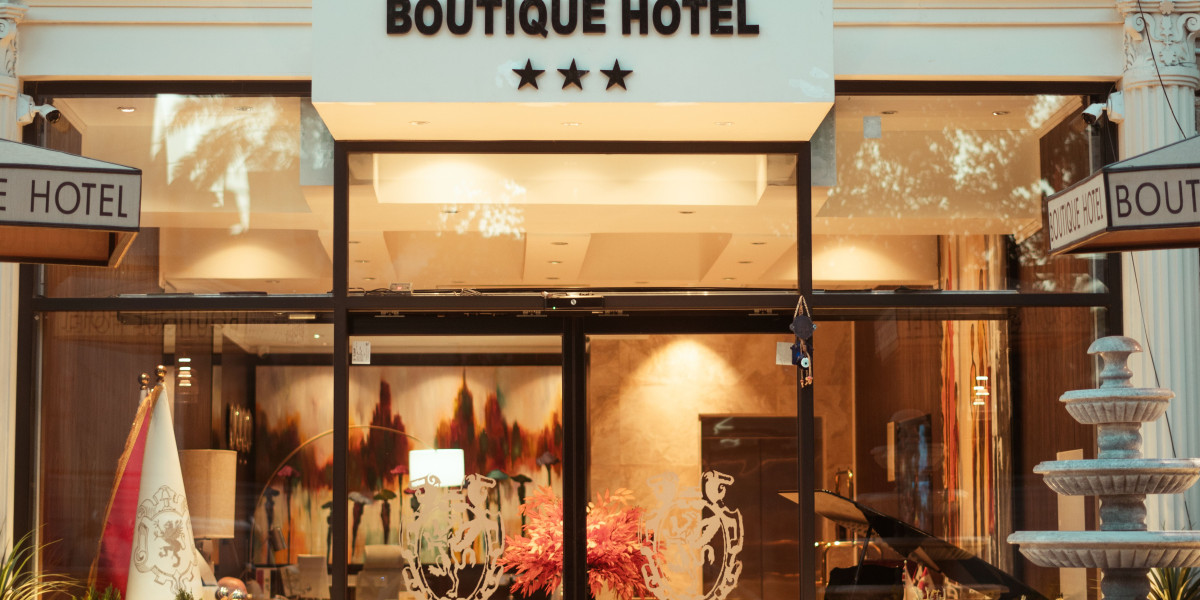

The hospitality industry continues to evolve as travelers increasingly look for accommodation experiences that offer more than traditional hotel services. Boutique hotels have become an appealing choice for guests who appreciate individuality, distinctive surroundings, personalized attention, and memorable stays. Unlike conventional hotel properties that often follow standardized operating models, boutique hotels focus on creating an atmosphere that reflects their identity, location, and hospitality philosophy. This approach has helped establish boutique accommodation as an important part of the modern travel experience.
The growing interest in unique stays has brought greater attention to the boutique hotel industry market trends, where guest expectations, hospitality innovation, property differentiation, and lifestyle preferences influence the industry's direction. Boutique hotels are increasingly recognized for combining accommodation with cultural experiences, carefully designed interiors, personalized services, and locally inspired hospitality. These characteristics make them attractive to travelers seeking meaningful experiences rather than simply a place to stay.
The Growing Appeal of Boutique Hotels
One of the defining characteristics of boutique hotels is their ability to provide an experience that feels different from traditional accommodation. Travelers are becoming more interested in properties that reflect local architecture, cultural identity, artistic design, and regional traditions. Boutique hotels often incorporate these elements into their interiors, services, and overall guest experience.
This emphasis on individuality allows properties to establish a recognizable identity. Instead of relying entirely on standardized rooms and facilities, boutique hotels can create distinctive environments that appeal to specific traveler preferences. Some properties emphasize contemporary design, while others highlight heritage architecture, natural surroundings, or local artistic influences.
The growing popularity of experience-oriented travel has further strengthened the appeal of this accommodation category. Guests increasingly value the atmosphere of a property and the experiences available around it.
Personalized Hospitality as a Competitive Advantage
Personalized service is one of the most important elements of boutique hotel operations. Guests often appreciate hospitality that recognizes their individual preferences and provides attentive assistance throughout their stay.
Boutique hotels can develop closer relationships with guests through customized recommendations, flexible services, personalized room arrangements, and thoughtful communication. These interactions help create a welcoming environment and can encourage repeat visits.
Staff members also play an important role in delivering this experience. A knowledgeable hospitality team can recommend local attractions, introduce guests to regional cuisine, and provide information about cultural activities. Such services help transform an ordinary accommodation experience into a more engaging journey.
Interior Design and Property Identity
Design is another major element that distinguishes boutique hotels from conventional accommodation providers. Many properties use interior design to communicate their identity and establish a memorable atmosphere.
Carefully selected furniture, lighting, artwork, decorative elements, and architectural features can contribute to a property's overall appeal. Some boutique hotels adopt minimalist concepts, while others incorporate traditional materials and locally inspired designs.
The relationship between design and guest experience extends beyond appearance. Comfortable layouts, functional spaces, welcoming common areas, and thoughtful room arrangements can improve the overall quality of a stay.
Technology and the Modern Guest Experience
Technology is becoming increasingly important in boutique hotel management. Digital booking platforms, online guest communication, contactless check-in, and automated reservation systems can simplify the accommodation process.
These solutions help hospitality businesses manage daily operations while providing guests with convenient services. However, boutique hotels must balance technological convenience with the personal interactions that define their hospitality approach.
Technology should support human service rather than completely replace it. Guests may appreciate digital convenience while still expecting personal assistance when they need recommendations, support, or customized services.
Sustainability and Responsible Hospitality
Sustainability is becoming an important consideration in the hospitality sector. Travelers are increasingly interested in businesses that demonstrate environmental awareness and responsible operating practices.
Boutique hotels can incorporate sustainability through efficient resource management, locally sourced products, reduced material waste, and environmentally conscious property maintenance. Supporting local suppliers and communities can also strengthen the relationship between hotels and their destinations.
These practices may help boutique properties develop a stronger identity while responding to changing guest expectations.
Conclusion
The boutique hotel sector continues to reflect the changing relationship between travel, accommodation, and personal experiences. Its emphasis on individuality, personalized hospitality, distinctive design, technology, and responsible operations creates opportunities for properties to differentiate themselves.
As travelers continue to seek memorable accommodation experiences, boutique hotels can strengthen their position by understanding guest preferences and developing hospitality concepts that combine comfort, creativity, and authentic local character.
FAQs
Q1. What makes boutique hotels different from traditional hotels?
Boutique hotels generally emphasize distinctive design, personalized guest services, unique property identities, and experiences connected to their destinations.
Q2. Why are personalized services important for boutique hotels?
Personalized services help create memorable guest experiences, strengthen customer relationships, and encourage repeat visits.



