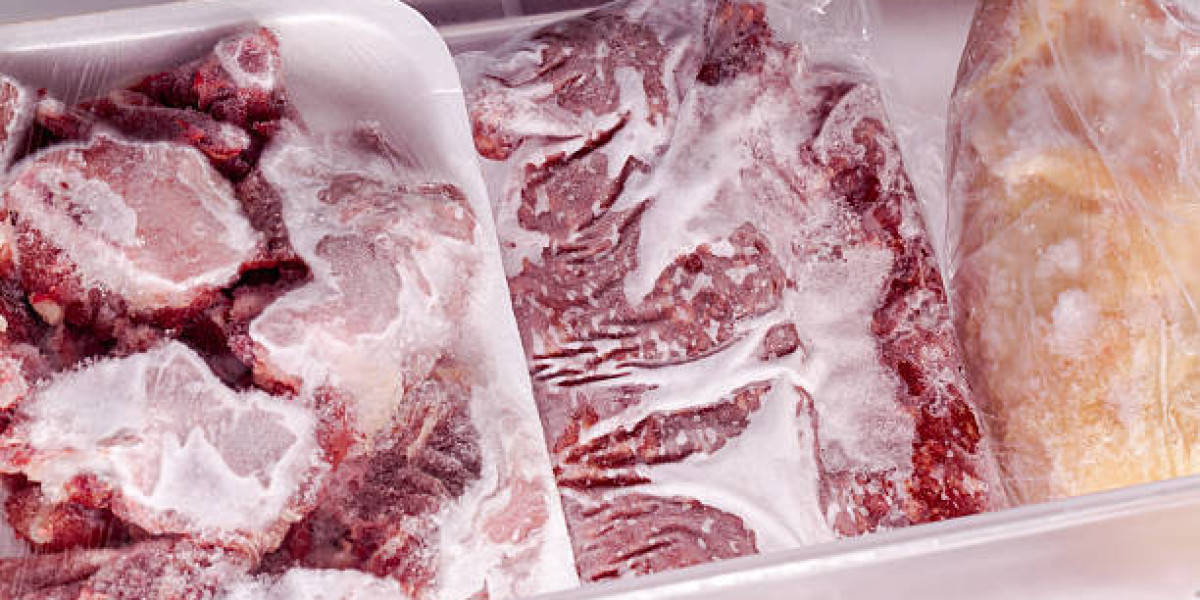

South Korea Frozen Meat Market is gaining attention as changing food habits, urban lifestyles, and evolving retail preferences influence the country's meat consumption landscape. Consumers are increasingly looking for food products that combine convenience, quality, and flexibility in everyday meal preparation. Frozen meat is becoming a practical choice for households that want to maintain a reliable supply of protein without frequent shopping trips. From beef and pork to poultry and lamb, product availability across different categories is supporting a wider range of culinary preferences. Retailers and manufacturers are also adapting their product strategies to meet the expectations of modern consumers.
The growing interest in convenient meal preparation is creating opportunities for businesses to improve their frozen food portfolios. The South Korea frozen protein products industry reflects changing purchasing patterns, where consumers increasingly appreciate products that are easy to store, portion, and prepare. Frozen meat is particularly relevant for working professionals, smaller households, and families managing busy schedules. Its availability through supermarkets, hypermarkets, and online grocery platforms is making purchasing more accessible. Manufacturers are responding through improved packaging, diversified product selections, and greater attention to product consistency, helping strengthen consumer confidence in frozen food options.
Convenience remains an important factor influencing purchasing decisions throughout South Korea's food retail environment. Ready-to-cook meat products offer consumers a straightforward way to prepare meals without spending excessive time on ingredient preparation. Frozen beef portions, poultry cuts, and processed meat selections can support different cooking requirements, including traditional Korean dishes and international recipes. This flexibility is particularly attractive to younger consumers who enjoy experimenting with new flavors while maintaining manageable cooking routines. Food companies that understand these lifestyle changes can develop products that combine practical preparation, appealing taste, and consistent quality.
Retail distribution is another important element shaping the industry's development. Supermarkets and hypermarkets continue to provide consumers with opportunities to compare different meat varieties, packaging formats, and product specifications. Physical stores allow shoppers to evaluate available selections while purchasing other household groceries. At the same time, digital grocery platforms are expanding access to frozen meat through convenient ordering and home delivery. Online channels are particularly relevant for consumers who prefer shopping from their smartphones or computers. Retailers that maintain reliable cold-chain operations and clear product information can strengthen their position in an increasingly competitive food distribution environment.
Product quality and food safety are essential considerations for frozen meat suppliers operating in South Korea. Consumers expect products to retain their taste, texture, and freshness throughout storage and transportation. Manufacturers are therefore paying greater attention to freezing methods, temperature management, packaging materials, and handling procedures. Vacuum packaging is gaining importance because it can help protect products from exposure and preserve their quality during storage. Clear labeling and appropriate storage instructions also help customers make informed purchasing decisions. Businesses that prioritize dependable preservation practices can build stronger relationships with retailers, food service operators, and household buyers.
The market also offers opportunities across different meat categories and customer groups. Beef remains important because of its established role in Korean food culture, while pork and poultry support a wide range of everyday meal preferences. Lamb and other specialized offerings can attract consumers interested in exploring different cuisines. Household consumption creates demand for convenient retail packaging, whereas restaurants, catering businesses, and other food service operators often require consistent supplies and larger quantities. Manufacturers that understand these distinct requirements can introduce suitable product formats, portion sizes, and packaging solutions for different purchasing situations.
Competition in the South Korean frozen meat industry is influenced by product quality, sourcing capabilities, distribution efficiency, and brand reputation. International companies such as Tyson Foods, JBS, Cargill, BRF, Hormel Foods, Smithfield Foods, Marfrig, Pinnacle Foods, and Maple Leaf Foods are among the companies identified in the industry landscape. Businesses are increasingly focusing on supply chain improvements, product diversification, and operational efficiency. Strong distributor relationships and reliable inventory management can help companies respond to changing demand. As consumer expectations develop, manufacturers that combine consistent quality with convenient product offerings can strengthen their competitive positioning.
Looking ahead, the South Korea Frozen Meat Market is expected to remain influenced by convenience-oriented consumption, expanding online grocery access, and increasing attention to food quality. Advanced freezing technologies and improved packaging solutions may help businesses enhance product preservation and distribution performance. Health-conscious purchasing preferences could also encourage greater attention to leaner meat options and transparent product information. Retailers and manufacturers that understand household requirements alongside food service demand will be better positioned to identify emerging opportunities. Continued innovation across processing, packaging, and distribution will remain important for supporting the industry's development.
FAQs
Q1. What is driving the South Korea Frozen Meat Market?
Demand for convenient meals, changing lifestyles, and expanding retail distribution are important growth drivers.
Q2. Which meat categories are available in this market?
Major categories include beef, pork, poultry, lamb, and other meat products.
Q3. How is online shopping influencing frozen meat sales?
E-commerce platforms provide convenient ordering, wider product access, and home delivery options.



