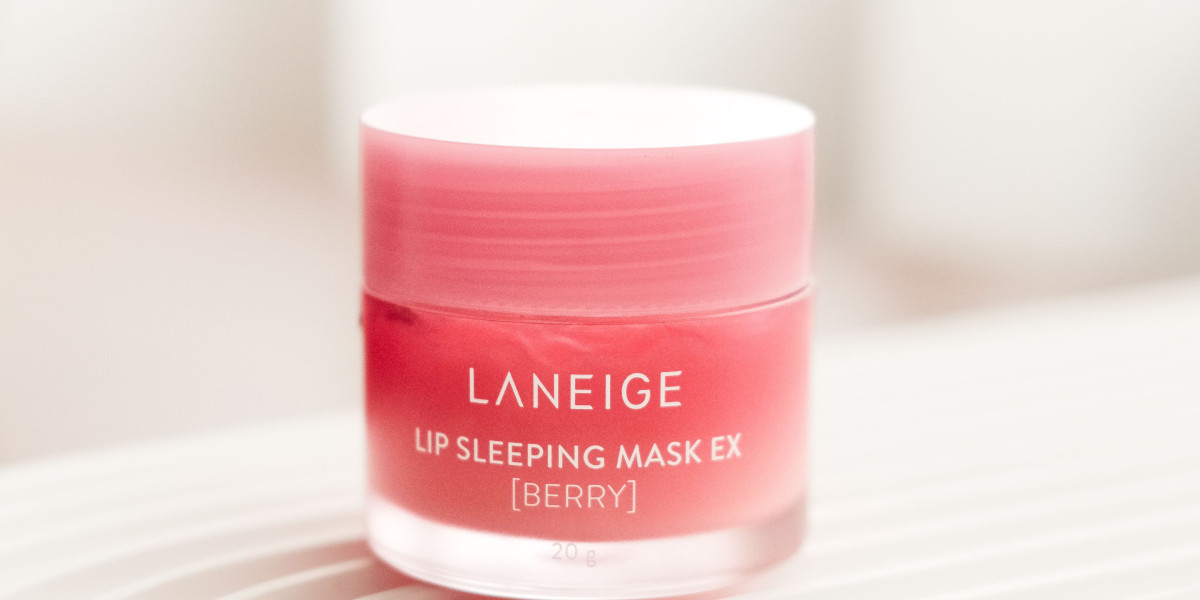

The K-Beauty Product Market represents an evolving segment of the global beauty and personal care industry, driven by growing interest in Korean skincare philosophies, innovative formulations, and carefully structured beauty routines. Korean beauty products have gained attention for their distinctive approach to skincare, which emphasizes hydration, nourishment, skin protection, and consistent care. From facial cleansers and toners to serums, moisturizers, and sheet masks, K-beauty offers a diverse selection of products designed to address different skincare preferences. Its growing appeal reflects changing consumer expectations and an increasing interest in beauty solutions that combine functionality with enjoyable skincare experiences.
One of the important factors influencing this market is the growing popularity of Korean skincare products, which have become recognizable for their innovative ingredients, lightweight textures, and multi-step skincare routines. Consumers are increasingly interested in understanding their skin requirements and selecting products that complement their daily routines. This preference has encouraged beauty brands to develop specialized products for hydration, cleansing, exfoliation, and skin nourishment. The combination of product variety and distinctive Korean beauty practices continues to strengthen the visibility of K-beauty across different consumer segments.
Another important characteristic of the K-Beauty Product Market is its emphasis on product development. Korean beauty brands frequently explore different formulations, textures, packaging concepts, and ingredient combinations to create products that stand out in a competitive environment. Ingredients associated with hydration and skin nourishment have become important elements of product positioning. Consumers are also showing interest in products that provide multiple skincare benefits without making daily routines unnecessarily complicated.
The influence of Korean popular culture has also contributed to the recognition of K-beauty products. Korean entertainment, fashion, music, and digital content have introduced international audiences to Korean beauty routines and product preferences. Social media platforms allow consumers to discover new products, learn about application techniques, and explore different skincare approaches. Beauty creators and influencers frequently demonstrate product combinations and routines, helping audiences understand how different products can fit into everyday skincare practices.
Digital retail channels have become another important part of the market's development. Online shopping platforms allow consumers to explore a wide variety of Korean beauty brands, compare product descriptions, and discover specialized skincare categories. Digital product demonstrations, customer discussions, and beauty tutorials also help consumers make informed purchasing decisions. For smaller and emerging brands, online distribution offers opportunities to reach audiences beyond their traditional geographical markets.
Product personalization is another emerging area of interest. Consumers increasingly prefer skincare products that address specific concerns rather than relying entirely on general-purpose solutions. This has encouraged brands to introduce products targeting dryness, uneven skin appearance, excess oil, and other common skincare requirements. Developing products for different skin types and preferences allows companies to establish stronger relationships with their customers.
Sustainability is also becoming relevant to the broader beauty industry. Consumers are paying greater attention to packaging materials, ingredient transparency, and responsible product development. Korean beauty companies can respond to these preferences through thoughtful packaging designs and product concepts that consider environmental concerns. These developments may also help brands establish a recognizable identity in an increasingly competitive marketplace.
Looking ahead, the K-Beauty Product Market is expected to remain influenced by innovation, changing beauty preferences, and the international popularity of Korean skincare practices. Companies that understand consumer expectations and maintain consistent product development can strengthen their market presence. The combination of cultural influence, digital accessibility, and specialized formulations continues to create opportunities for the Korean beauty industry.
FAQs
Q1. What products are included in the K-Beauty Product Market?
The market includes facial cleansers, toners, moisturizers, serums, sheet masks, sunscreens, exfoliators, and other Korean skincare and beauty products.
Q2. Why are Korean beauty products popular among consumers?
Korean beauty products attract consumers through innovative formulations, diverse skincare options, distinctive routines, and growing international cultural influence.



