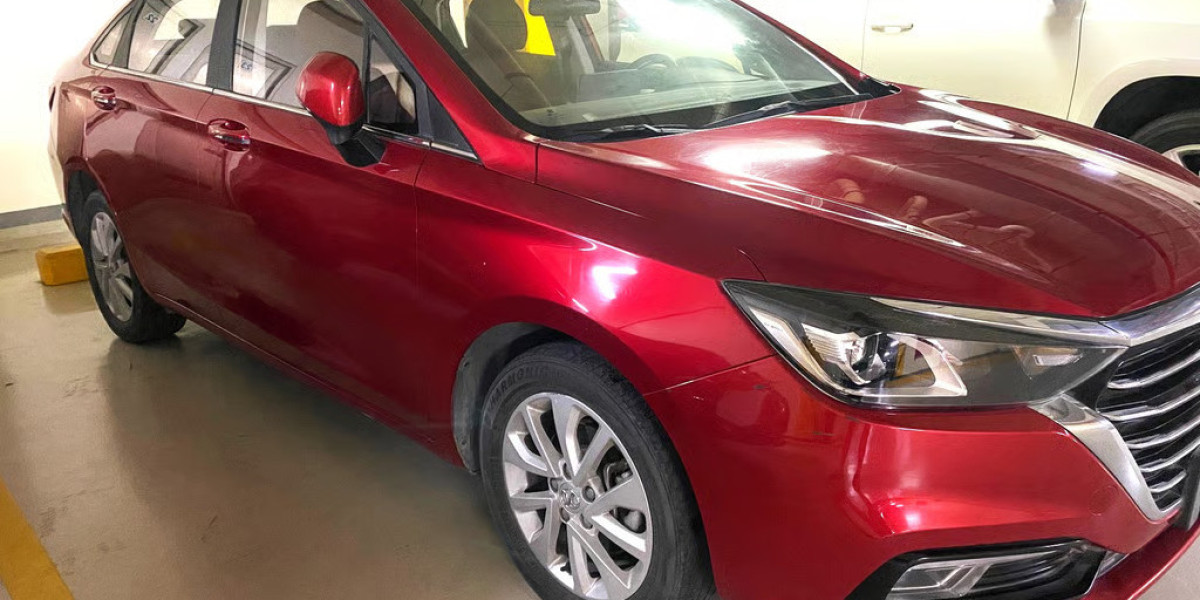

Buying a used car can be a practical way to meet everyday transportation needs, but the purchase price is only one part of the total expense. Buyers should also consider fuel, insurance, maintenance, repairs, registration, and other ownership costs before making a decision. When exploring used cars in Kuwait, understanding these expenses can help buyers choose a vehicle that fits their budget beyond the initial purchase. Planning ahead makes it easier to manage regular costs and avoid unexpected financial pressure.
1. Start With the Purchase Price
The first expense to consider is the amount paid to purchase the vehicle. However, buyers should avoid using the asking price as the only measure of affordability.
Two vehicles listed at similar prices may have different maintenance needs, mileage, conditions, and ownership histories. A car with a lower purchase price may require immediate repairs, while another slightly more expensive vehicle may have better-documented maintenance.
Before making a decision, review the vehicle's age, mileage, specifications, condition, and service history. Buyers should also consider whether the asking price leaves enough room in their budget for insurance, servicing, and other expenses after the purchase.
2. Estimate Fuel Expenses
Fuel is a recurring ownership cost, particularly for people who drive regularly. The amount spent depends on the vehicle's fuel efficiency, engine size, driving habits, and monthly distance.
To estimate fuel expenses, buyers can follow a simple calculation:
Monthly fuel cost = Monthly distance ÷ Fuel efficiency × Fuel price
For example, if a vehicle travels 1,500 kilometres per month and averages 12 kilometres per litre, it will use approximately 125 litres of fuel. Multiply this amount by the applicable price per litre to estimate the monthly expense.
This calculation provides an approximate figure rather than an exact prediction. Actual consumption may change depending on traffic, air conditioning use, road conditions, and driving style.
3. Include Insurance Costs
Insurance is another important expense that should be included in the ownership budget. The amount can vary depending on the vehicle, policy type, coverage, insurer, and other relevant factors.
Before purchasing a used car, buyers should request insurance quotations and understand what each policy covers. They should check the policy period, exclusions, deductibles, and any additional conditions.
It is also important to confirm the insurance requirements that apply when transferring ownership in Kuwait. Buyers should not assume that an existing policy automatically provides suitable coverage after the vehicle changes hands.
4. Calculate Regular Maintenance Expenses
Every vehicle requires routine maintenance to remain in suitable operating condition. These expenses may include oil changes, filter replacements, tyre rotation, brake servicing, battery checks, and other scheduled work.
Maintenance costs depend on the vehicle's make, model, age, mileage, and service requirements. Some models may have widely available replacement parts, while others may require more expensive components.
Before buying, research the recommended service intervals and typical maintenance requirements. Ask the seller about recent servicing and check whether supporting invoices or service records are available.
A vehicle with a documented maintenance history can help buyers understand which services have already been completed and which may be approaching.
5. Prepare for Unexpected Repairs
Even a well-maintained used car can require repairs as it gets older. Buyers planning to buy & sell cars across Kuwait should consider setting aside a separate amount for unexpected maintenance instead of spending their entire budget on the purchase.
Potential repair expenses may involve the battery, tyres, brakes, suspension, cooling system, air conditioning, or electrical components. The likelihood and cost of repairs depend on the vehicle's condition and previous usage.
An independent inspection before purchase can help identify existing problems and provide a clearer idea of possible repair needs. However, an inspection cannot guarantee that the vehicle will never develop future issues.
Keeping an emergency repair fund can make ownership more manageable when unexpected problems arise.
6. Consider Tyre Replacement Costs
Tyres are essential for vehicle performance and road safety, and they need replacement when they become worn or damaged.
Buyers should inspect the tyre tread, manufacturing dates, visible cracks, and signs of uneven wear. They should also check whether all tyres are suitable for the vehicle and whether the spare tyre and related equipment are available.
Before purchasing, research the cost of suitable replacement tyres for the specific model. Larger wheels or specialised tyre sizes may involve higher replacement expenses.
Including an estimated tyre replacement allowance in the annual budget can help prevent this recurring cost from becoming a surprise.
7. Account for Registration and Other Administrative Expenses
Vehicle ownership may involve registration-related fees, transfer charges, inspection requirements, and other administrative expenses depending on the applicable regulations.
In Kuwait, buyers should check the current requirements through the relevant official authorities before completing the transaction. They should confirm which documents are required, whether any outstanding obligations exist, and what costs apply to the ownership transfer.
It is better to understand these expenses in advance rather than discovering additional requirements after agreeing on a purchase price.
8. Evaluate the Cost of Spare Parts
The availability and price of spare parts can influence the long-term cost of owning a used vehicle. Popular models may have a wider selection of replacement parts, while less common models may require more effort or expense to maintain.
Before choosing a car, research the availability of essential components such as filters, brake pads, batteries, suspension parts, and body panels.
Buyers should also consider whether they prefer genuine manufacturer parts or suitable alternatives. The correct choice depends on the component, vehicle requirements, and professional advice.
Understanding parts availability can help buyers make a more practical decision, especially when they intend to keep the car for several years.
9. Think About Depreciation and Resale Value
Depreciation refers to the reduction in a vehicle's value over time. Although it is not a regular payment, it affects the overall financial cost of ownership.
Factors that can influence resale value include:
Vehicle age and mileage
Brand and model popularity
Mechanical and exterior condition
Service and maintenance history
Availability of spare parts
Market demand
Accident and repair history
Buyers who plan to sell their vehicle after a few years should consider how easily the model may attract future buyers. Keeping service records, maintaining the vehicle properly, and addressing repairs can help preserve its condition.
However, resale value is never guaranteed because market conditions and buyer preferences can change.
10. Create a Monthly Ownership Budget
Once the main expenses have been identified, buyers can organise them into a monthly or annual budget. This makes it easier to understand how much the vehicle may cost beyond the purchase price.
A simple ownership budget can include:
| Expense | Budgeting approach |
|---|---|
| Fuel | Estimate monthly consumption |
| Insurance | Divide annual premium by 12 |
| Maintenance | Set aside a monthly allowance |
| Repairs | Maintain an emergency fund |
| Tyres | Estimate replacement cost over time |
| Registration | Include applicable renewal and transfer fees |
| Depreciation | Estimate possible reduction in resale value |
Not every expense occurs every month. Dividing annual costs into monthly amounts can make financial planning easier and help buyers understand the approximate cost of keeping the vehicle.
How Caragency Helps Buyers Explore Used Cars
Choosing a vehicle that fits both driving requirements and financial expectations begins with finding relevant listings. Caragency provides an online marketplace where visitors can explore used cars across Kuwait and other GCC countries.
Listings can include useful information such as vehicle photographs, specifications, mileage, pricing, and seller details. Buyers can browse available advertisements and contact sellers directly to ask about maintenance history, vehicle condition, and other ownership-related information.
Exploring listings through Caragency can help buyers identify vehicles that suit their requirements. Before making a purchase, they should independently verify the vehicle's condition, documents, and expected ownership expenses.
Conclusion
Estimating the long-term cost of owning a used car requires more than checking its purchase price. Fuel, insurance, maintenance, repairs, tyres, registration, spare parts, and depreciation can all influence the overall expense.
Buyers should research these costs, arrange a professional inspection, and prepare a realistic monthly budget before purchasing. By considering both immediate and future expenses, people in Kuwait can make more informed decisions and choose a vehicle that suits their financial situation.
FAQs
1. What are the main costs of owning a used car?
The main costs include the purchase price, fuel, insurance, routine maintenance, repairs, tyres, registration, and other applicable fees. Depreciation should also be considered when estimating the overall cost of ownership.
2. How can I estimate the monthly fuel cost of a used car?
Estimate your monthly driving distance, divide it by the vehicle's average kilometres per litre, and multiply the result by the current fuel price per litre. Actual consumption may vary depending on driving conditions and habits.
3. Should I keep an emergency fund for used-car repairs?
Yes. Unexpected repairs can occur even when a vehicle appears to be in good condition. Setting aside money for maintenance and unforeseen problems can help make long-term ownership expenses easier to manage.



