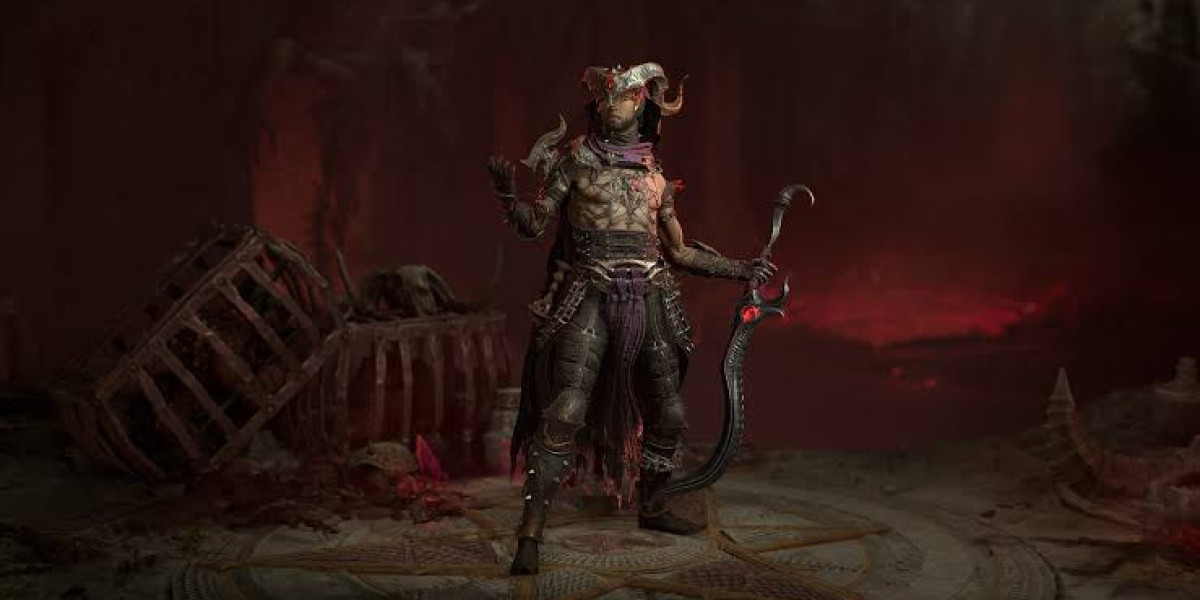

Runewords give Diablo 4 builds a simple rhythm: meet a condition, earn Offering, then spend it on an effect. They arrived with Vessel of Hatred and work through gear that has two open sockets, including helmets, chest armour, trousers, and two-handed weapons. That makes socket planning important when comparing D4 items, since a strong piece still needs the right space for the rune pair. The system's easy to grasp, but choosing a pair that suits your actual combat routine takes some thought.
Two runes with separate jobs
A complete Runeword needs one Rune of Ritual and one Rune of Invocation. The Ritual rune watches what you do in combat. Perhaps you cast a certain skill type, move a set distance, or use a potion. When its condition is met, it creates Offering. The Invocation rune sits beside it and waits until enough Offering has built up. It then spends that resource to activate its listed power. Some effects improve defence or damage, while others let your character call on an ability normally associated with another class.
How the Moni and Que pairing works
Moni and Que provide a clear example. Moni is a Magic Ritual rune that awards 100 Offering after two Mobility or Macabre skills are cast. Que is a Rare Invocation rune that needs 300 Offering. Once that amount is ready, Que triggers the Druid's Earthen Bulwark, giving your character a sturdy protective shield. So, in ordinary play, Moni's requirement must be completed three times. It's worth checking whether your build uses those skill groups often enough; an impressive effect won't help much if its Ritual condition rarely occurs.
Place the Ritual rune and Invocation rune in the same two-socket item.
Choose a Ritual condition that matches actions already used in your rotation.
Compare Offering production with the Invocation rune's required cost.
Where runes come from
You'll find runes while tackling the content you're probably running anyway. Elite enemies can drop them in the open world, and Helltides offer more opportunities through dense fights and rewards. World Bosses and Kurast Undercity runs are useful sources too. Runes appear at Magic, Rare, and Legendary quality. Higher rarity doesn't automatically mean the best fit, though. A lower-tier rune that activates regularly can feel far better than a prized one whose condition clashes with your skills or slows the whole rotation down.
Turning spare drops into useful options
Duplicate runes aren't dead weight. At the Jeweler, three identical runes can be crafted into a new random rune, giving crowded inventories a practical purpose. Using non-Legendary copies may also produce a rune from the next rarity tier. The Jeweler can add sockets where eligible gear needs them, so it's sensible to sort equipment before spending materials. Players browsing D4 items buy options should still prioritise socket layout and build synergy over rarity alone, then test each Runeword during real fights to see how often it fires.
Learn how Diablo 4 Runes and Runewords work, from Ritual and Invocation pairings to Offering, rune crafting, drop sources, and endgame build customization.
Læs mere

Kommentarer