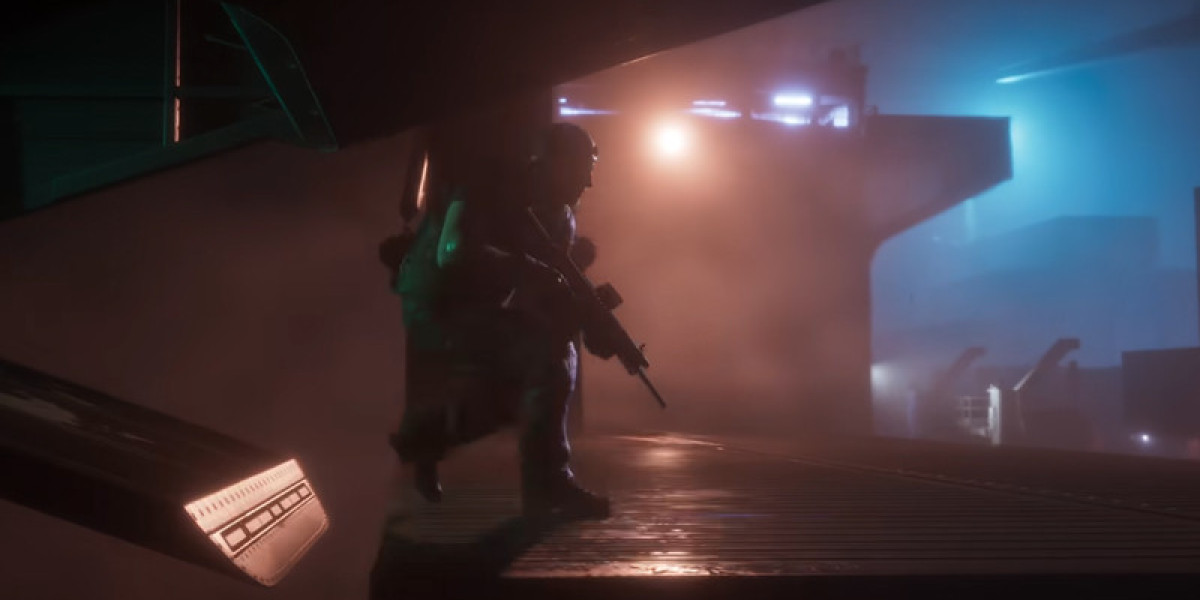
Helldivers 2 becomes much more rewarding once a mission is treated as a tactical expedition instead of a simple race toward the primary objective. Exploration, enemy awareness, equipment selection, and extraction all influence whether a deployment feels efficient or completely disastrous. Helldivers 2 Samples are particularly useful for encouraging this mindset because they are collected during missions and used for ship module upgrades, giving squads a reason to investigate points of interest while deciding how much risk is actually worth taking. Common Samples can appear across all difficulties, while Rare and Super Samples become available at higher difficulty levels.
A common mistake is assuming that the squad should eliminate every enemy encountered. Helldivers 2 does not really reward that mentality. Patrols can often be avoided, and unnecessary firefights can consume ammunition, reinforcements, and Stratagem cooldowns that would be much more valuable later. If a patrol has not detected the squad, quietly moving around it can be the best tactical decision. There is little glory in winning a five-minute firefight that accomplished nothing except delaying the actual mission.
This becomes especially important during resource-focused runs. A point of interest located directly beside the squad's route is usually worth investigating, but a distant location surrounded by hostile forces may not be. The decision should depend on the mission's remaining time, the team's current ammunition, the enemy pressure, and the importance of the resources being sought. Experienced squads learn to recognize when a detour is a smart investment and when it is simply curiosity wearing a helmet.
Loadout planning can make these decisions easier. Instead of giving every player a similar collection of high-damage weapons, a squad can divide battlefield responsibilities naturally. One Helldiver can carry equipment for heavy targets, another can focus on clearing groups, while another provides defensive or support capabilities. The remaining player can use a flexible setup that handles situations the other three cannot. This approach creates a surprisingly effective team composition without requiring traditional character classes.
The enemy faction should influence those choices. Terminids can quickly overwhelm a squad that loses control of its surroundings, so weapons and Stratagems capable of handling groups can be extremely valuable. Automatons place more emphasis on ranged engagements, cover, and dealing with armored targets. Illuminate operations require players to adjust again, especially as newer content introduces different enemy behaviors and battlefield conditions.
The Devoid of Liberty update made the Illuminate front even more interesting by expanding the conflict into the Void. The new content introduced randomized primary objectives, additional environmental challenges, and SEAF support that can change how a squad approaches an operation. Rather than memorizing one universal mission routine, players have more reasons to adapt their equipment and movement according to what appears during the deployment.
A good example is the difference between a mobile mission and a defensive objective. During a mobile operation, equipment that allows the squad to keep moving can be more useful than tools designed for prolonged stationary combat. During a defense, however, area control becomes much more important. Sentries, heavy weapons, and carefully positioned Stratagems can create a defensive perimeter that buys the squad valuable time.
Positioning is often underestimated because weapon statistics are easier to discuss. A powerful weapon fired from an exposed position may accomplish less than an ordinary weapon used from cover. Terrain can create natural defensive lines, while narrow passages can restrict enemy movement. Before beginning a fight, checking where the squad can retreat can sometimes be more important than checking how many enemies are in front.
Stratagem placement deserves similar attention. Throwing a powerful orbital attack directly into a crowded battlefield can look spectacular, but the resulting blast can become a problem if teammates need to cross the same area. Sentries can also become dangerous when placed behind the squad's intended retreat route. Good placement is less about producing the biggest explosion and more about controlling where enemies can safely approach.
Another useful habit is keeping track of cooldowns. If every major Stratagem has just been used against a routine patrol, the squad may have very few options when a heavy enemy arrives at the next objective. Holding one important tool in reserve creates a safety net. The same principle applies before extraction. A mission can be nearly perfect and still fail because the squad reaches the shuttle with every major defensive option on cooldown.
Extraction should therefore be considered part of the mission plan from the beginning. If the squad knows that the final objective is far away from the extraction area, it can avoid unnecessary fights along the route. If valuable resources are being carried, protecting the player holding them becomes especially important. Samples are acquired only when they successfully leave the battlefield, so a dramatic final stand is not necessarily a successful resource run.
Mission difficulty also deserves some thought. Higher difficulty is not automatically better for every purpose. Players looking for common resources may be more efficient on missions they can complete consistently, while players pursuing rarer Samples need to accept greater danger because those higher-tier resources are tied to harder difficulties. The important measure is not how impressive the selected difficulty looks, but how reliably the squad can complete its objectives and extract.
Medals create a different progression rhythm. Unlike Samples, which are gathered in the field for ship upgrades, War Medals are used to unlock content in Warbonds and can be earned through mission rewards and orders. This distinction means a player who wants new weapons or armor should plan around medal income, while someone working toward ship improvements needs to pay closer attention to Samples. Arrowhead's current support information confirms these resources have different purposes within progression.
That difference can make a normal evening of Helldivers 2 surprisingly varied. One mission can be chosen because the squad needs resources for a ship module. The next can focus on completing an order. Another might simply be selected because the enemy front looks interesting. This prevents progression from becoming a single repetitive farming routine and gives each operation a slightly different purpose.
U4GM can fit naturally into that equipment-focused preparation for players who want more options when putting together different approaches. The marketplace provides a convenient place to browse Helldivers 2 equipment, and its competitive pricing and generally safe purchasing experience can make changing setups less cumbersome. The value is mainly in having more flexibility when a particular mission calls for something different.
The funniest Helldivers 2 stories rarely come from perfect victories. They come from the squad that quietly collects everything it needs, reaches extraction with no reinforcements left, watches one teammate accidentally summon destruction on the landing zone, and somehow still gets everyone aboard. Players interested in Helldivers 2 Medals can use U4GM as another convenient preparation option, while the bigger advantage remains learning when to fight, when to explore, when to save equipment, and when to leave the planet before democracy's finest become their own worst enemy.