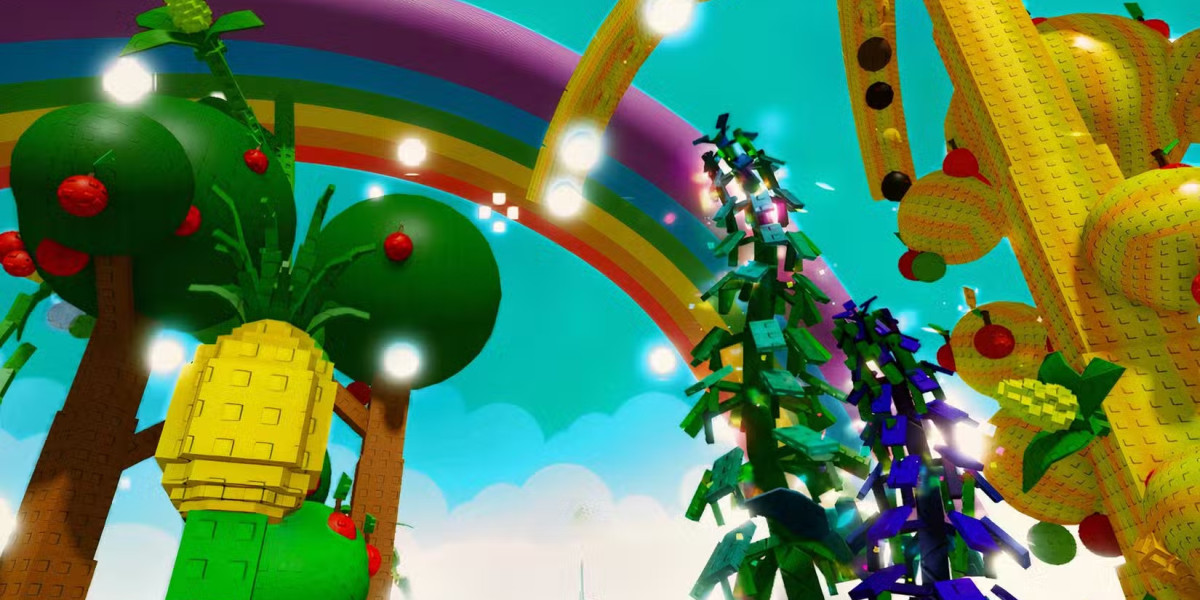

There comes a point in Grow a Garden 2 when simply collecting more resources is no longer the only goal. Players begin to notice that the same amount of time can produce very different results depending on how crops, pets, and items are arranged. Grow a Garden 2 Sheckles can support that progression, but the more interesting challenge is deciding how to turn those resources into a farming system that matches the player's own habits. Instead of copying one fixed setup, players can gradually develop a style that feels both efficient and enjoyable.
One approach is to build around harvesting frequency. Players who enjoy checking their garden often can select crops that mature at different intervals, creating a constant stream of small activities. This can make the garden feel active throughout a session and gives collection-focused pets more opportunities to contribute. It also rewards players who pay attention to timing rather than simply planting everything and walking away.
Another approach is to create a slower, investment-oriented garden. Instead of constantly replacing crops, players can dedicate more space to valuable plants and allow them to develop over longer periods. This style requires more patience, but it can make each successful harvest feel more significant. Items that support long-term crop value may become more attractive than those designed primarily for quick farming cycles.
Mutation hunting creates yet another style. Players can reserve part of the garden for crops where unusual results would be especially valuable, then use suitable companions and farming routines to increase their opportunities. The important thing is not to treat every crop equally. A focused mutation area allows the player to experiment without changing the entire garden every time a new idea comes to mind.
This also makes garden layout a strategic tool. Players can divide the garden into practical zones based on how they intend to use them. A section for fast crops can handle frequent harvesting, while another can be reserved for valuable projects that require patience. An experimental area can remain flexible, allowing players to test new items or companions without disrupting established parts of the garden.
The same principle applies to pets. Instead of searching for one companion that supposedly works everywhere, players can maintain a small rotation. One pet might be useful during regular farming, another during mutation attempts, and another when the player wants to focus on convenience. Changing companions according to the day's objective can make a collection feel much more valuable than simply keeping the same lineup permanently.
There is also a strategic benefit to learning when an item should not be used. More equipment does not automatically mean a better garden. If an item provides an effect that has little relevance to the current crops, using it simply because it is available may add complexity without improving the results. Understanding when to leave an item unused is part of becoming better at managing a larger collection.
Testing items one at a time can help players discover these differences. Keep the crops and layout mostly unchanged, switch one item or pet, and then observe the next few farming cycles. This gives a much clearer picture of the effect than changing everything at once. After several experiments, players can gradually assemble combinations that are based on actual experience rather than assumptions.
Saving resources is another part of that process. A player who spends everything on minor improvements may have fewer choices later. Maintaining a reserve makes it easier to react when a particularly useful item becomes available. It also reduces the pressure to sell or replace useful equipment simply because a new option has appeared.
For players who prefer a convenient way to expand their collection, U4GM offers Grow a Garden 2 items with an emphasis on secure service, affordable pricing, and straightforward delivery. That can be useful when a player has already decided what kind of addition would improve a particular farming setup. Instead of making the collection the main objective, players can treat new items as tools that support a larger plan.
Over time, this approach can turn an ordinary garden into something that feels uniquely personal. The layout reflects the player's habits, the pet lineup reflects the current goal, and the item collection provides options for changing direction whenever a new idea appears. There is no need for every garden to follow the same formula because experimentation is one of the most enjoyable parts of long-term progression. Players who want to keep expanding that toolbox can use Grow a Garden 2 Items Roblox as another way to explore new combinations and develop a farming style that feels distinctly their own.



