

The aviation industry has witnessed important transformations over the previous few decades, with private plane companies rising as an important segment inside this multifaceted ecosystem. These corporations cater to a various clientele, starting from business executives looking for efficient travel options to affluent individuals desiring luxurious and exclusivity. This text delves into the evolution of private plane companies, their operational fashions, the financial affect they've on the aviation trade, and the longer term traits shaping this niche market.
Historical Context
The roots of private aviation may be traced again to the early 20th century, with the arrival of the first commercial flights. Nonetheless, the concept of private planes as a service gained traction post-World Conflict II, when developments in aircraft expertise made flying extra accessible. The 1960s and 1970s saw the introduction of gentle jets and turboprop aircraft, which further democratized private flying. Companies like NetJets, established in 1964, pioneered fractional ownership fashions, permitting multiple people to share the costs and obligations of owning a private jet.
Enterprise Fashions in Private Aviation
Private plane companies operate under numerous business models, each catering to particular customer wants. The first models embrace:
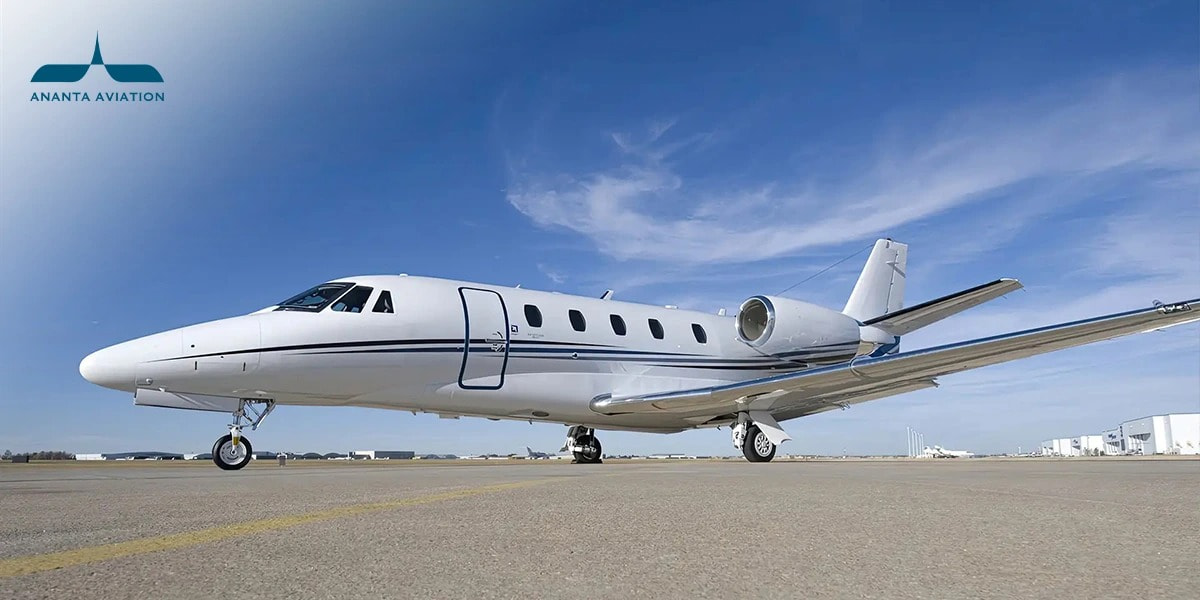
- Fractional Possession: This mannequin allows a number of homeowners to purchase shares in a single aircraft, thereby sharing the prices associated with ownership. NetJets stays a pacesetter on this house, providing flexibility and lowered monetary burden for its shoppers.
- Charter Services: Charter firms present on-demand flights, permitting clients to rent aircraft for particular trips without the lengthy-term commitment of ownership. This model has gained popularity as a consequence of its comfort and value-effectiveness, especially for infrequent travelers.
- Jet Cards: Jet card applications supply pre-bought flight hours on a selected type of aircraft. Customers pay upfront for a block of hours, which they can use flexibly over a sure interval. This mannequin combines elements of fractional ownership and charter companies, appealing to those who desire assured availability with out the complexities of possession.
- Membership Applications: Some companies offer membership-based mostly providers that provide entry to a fleet of aircraft at discounted rates. These applications often embrace additional advantages, equivalent to concierge providers and exclusive entry to events.
Financial Influence
The private aviation sector contributes significantly to the global economic system. According to the Nationwide Business Aviation Association (NBAA), enterprise aviation supports over 1.2 million jobs and generates greater than $one hundred fifty billion in economic output annually in the United States alone. The sector also plays a crucial position in connecting distant areas and facilitating commerce by offering access to regions that will not be served by business airways.
Furthermore, private aviation serves as a vital device for businesses, enabling executives to journey effectively and effectively. The ability to fly directly to a destination without layovers or delays can save valuable time, which is often equated with money in the corporate world. On this regard, private aviation enhances productiveness and operational efficiency, making it an indispensable asset for many organizations.
Environmental Concerns
As the private aviation industry continues to grow, so too do considerations regarding its environmental impression. The aviation sector is a major contributor to greenhouse gas emissions, and private aviation is not any exception. In response to rising environmental awareness, private plane companies are more and more investing in sustainable practices and applied sciences.
Many companies are exploring the use of sustainable aviation fuels (SAFs), which may considerably cut back carbon emissions. Additionally, advancements in aircraft design and know-how, similar to the development of electric and hybrid-electric planes, promise to additional mitigate the environmental footprint of private aviation.
Regulatory Landscape
The private aviation sector operates inside a fancy regulatory framework that varies by country. Regulatory bodies, such as the Federal Aviation Administration (FAA) within the United States and the European Union Aviation Safety Agency (EASA) in Europe, establish security requirements and operational tips for private aircraft operations. Compliance with these rules is paramount for private plane companies, because it ensures the safety of passengers and the integrity of the aviation system.
Moreover, the sector faces scrutiny regarding issues resembling noise pollution and air visitors management. As urban areas develop and the demand for private aviation will increase, regulatory our bodies are tasked with balancing the wants of private aviation with neighborhood concerns. This has led to discussions across the implementation of noise abatement procedures and the optimization of flight paths to minimize disruptions.
Future Traits
The future of private plane companies is poised for transformation, driven by technological developments and changing client preferences. Some key tendencies to watch embody:
- Digitalization and Technology Integration: The rise of digital platforms is streamlining the booking process for private flights. Firms are more and more leveraging mobile apps and online platforms to enhance customer expertise, providing real-time data and seamless booking capabilities.
- Sustainability Initiatives: As environmental issues grow, private aviation companies are investing in greener applied sciences. The event of electric aircraft and the adoption of SAFs are prone to develop into more prevalent, aligning the industry with world sustainability targets.
- Urban Air Mobility (UAM): The concept of urban air mobility, which envisions the use of small, electric aircraft for short-distance journey inside city areas, is gaining traction. Firms are exploring the feasibility of air taxis and on-demand flight providers that could revolutionize urban transportation.
- Enhanced Customer Experience: The demand for customized and luxurious journey experiences is driving corporations to innovate. From bespoke catering to in-flight leisure options, private aviation companies are regularly enhancing their choices to fulfill the evolving expectations of their clientele.
Conclusion
Private plane companies have carved out a big niche inside the aviation trade, providing tailor-made options that cater to the unique needs of their customers. Because the sector continues to evolve, it must navigate challenges associated to sustainability, regulation, and client preferences. The way forward for private aviation guarantees to be dynamic, with technological developments and a rising emphasis on environmental accountability shaping the business's trajectory. Ultimately, private plane Companies (allbio.link) will play a vital function in the broader aviation panorama, providing environment friendly and luxurious travel options for a diverse clientele while addressing the urgent challenges of our time.