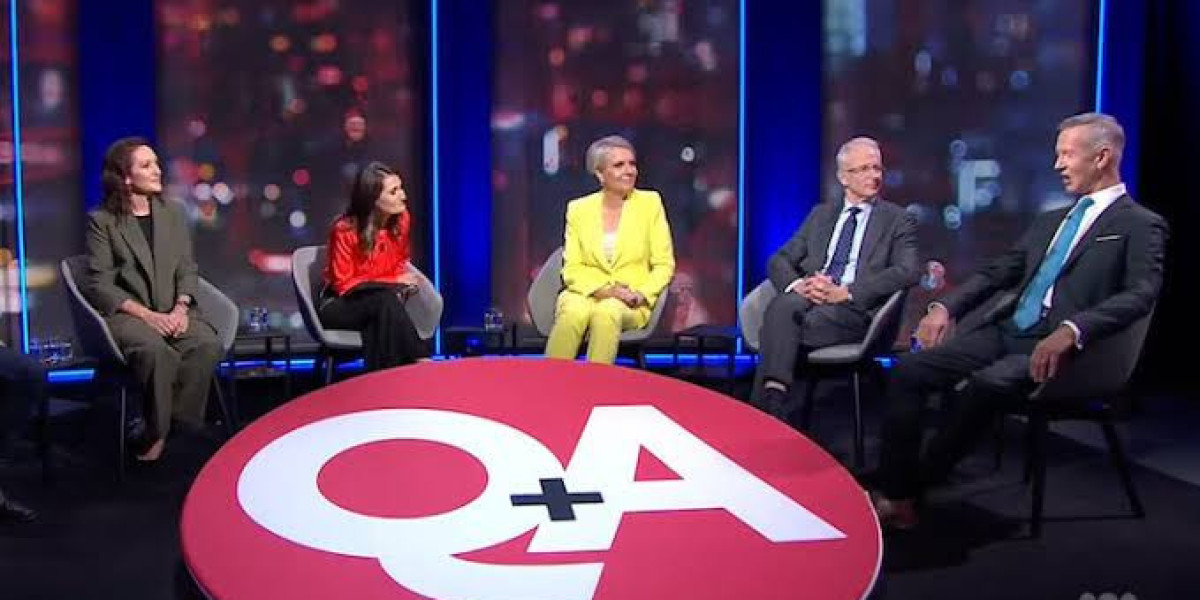

Finnish reality television has evolved a lot over the years. But the participants’ little moment of fame can now launch a much longer public career.
Social media has played a big part in this development. Now reality stars may stay connected with their fan base, create their personal brand, and remain in the public eye long after their television performances have come to an end.
Fame beyond TV
Reality TV gives normal individuals a chance to get exposed to a wide audience quickly. If someone has a distinctive personality, an intriguing life story, or a good connection with the viewers, they can make a lasting impression with just a short presence on TV.
But just being up on television is no promise of a lengthy career. Reality stars who are successful usually stay on top of the times through social media, interviews, collaborations, and other media ventures.
Building a public profile
The story of Finnish reality star Janita Lukkarinen is a case in point of the wider culture of reality television. She is a perfect example of how reality television and social media can be intertwined aspects of your work in the public eye.
Television is usually where reality stars receive their first following. They may then continue to reach that audience in their daily life after the event is over through platforms like Instagram, TikTok, and other digital media.
Social media changes careers
Before social media, reality stars depended on newspapers, magazines, and television producers to keep themselves in the public eye. When the media frenzy was over, many of the characters were swiftly out of the public perception.
Now users can publish their own stuff when they wish. The direct link provides former participants much more influence over their public image and the chance to build communities around their personalities.
Personal stories matter
Most of the time, reality TV works because the audience invests emotionally in actual people, not fictional characters. Viewers can follow the candidates’ relationships, emotional challenges, job shifts, and life-changing moments.
The link can be continued once a program is finished. Followers who believe they know a personality may be interested to see fresh initiatives, lifestyle updates, and major events reported online.
From contestant to influencer
Many actors from current reality shows have moved into the social media influencer space. You have a big following, and you can do entertainment, appearances, brand partnerships, and sponsored material.
But transitioning is not merely about followers. The most successful influencers have a unique voice, post often, and know the kind of content their target audience likes.
Janita Lukkarinen's public journey
Janita Lukkarinen’s reality TV career is a good illustration of how the focus may continue after the first time a viewer sees someone on TV. Reality stardom can add to a larger persona that includes social media fame and persistent engagement from entertainment enthusiasts.
Her narrative also explains why Finnish reality stars stay famous long after their shows are over. Digital platforms can assist in maintaining this relationship by providing new information and personal tales to audiences.
New career opportunities
Reality TV can open doors that would be hard to open otherwise. Past contestants have gone on to host, podcast, model, host entertainment events, and develop business ties.
Some have leveraged their notoriety to promote businesses or personal causes in a unique way. The most enduring professions seem to be those created when TV visibility is but one part of a larger professional identity.
Brand partnerships
Companies are increasingly working with celebrities who have already had significant online communities. Reality TV stars are desirable romantic partners because viewers think they know their personalities and lifestyles.
But trust is essential to the success of teamwork. People can easily see when an ad is not authentic; thus, artists tend to do better when they work with brands that are relevant to their content.
Finnish reality culture
Suosituimmat tositelevisiot Suomessa käsittelevät monenlaista aiheen, kuten kilpailu, suhdet, elämäntapa ja viihde. These programs often have fresh faces that might become household stars in digital media.
That has substantially strengthened the link between television and web platforms. While a program could get a person in front of people, social media can make that brief acquaintance last for years of public attention.
Life after the cameras
Time after a reality TV show may be of the essence for those competitors who want to keep working in public. When the TV exposure begins to fade, staying busy and communicating with fans helps to keep the interest up.
But not all contenders are chasing eternal renown. Some return to private careers; others selectively pursue media possibilities to accomplish their ambitions.
Challenges of public attention
Public service has its own difficulties. Reality stars are frequently subject to criticism, internet comments, and conversations about their relationships, looks, or personal endeavors.
Social media makes attention more immediate. Personal boundaries are important. As a public figure, you may have followers who expect access to parts of your life that you would like to keep private.
Authenticity matters
People respond strongly to genuine and personable characters. Reality stars have the upper hand already, since audiences have seen their personalities unfold in situations that are less staged than traditional entertainment.
But if social media becomes a business, it’s harder to keep it real. Creators have to get the right mix between sponsored content and their own content so their online presence doesn’t get too commercial.
A changing media landscape
The lines between reality stars, influencers, and traditional celebrities have progressively blurred. Someone can go from television to podcasts, social media, and commercial endeavors without pursuing a traditional entertainment career.
This flexibility has changed what celebrity means in Finland. Television may still be the initial big break, but it is increasingly online outlets that decide whether public interest is sustained.
Long-term recognition
The reality stars who have been in the public eye for years seem to change with their audience and the media landscape. They might move on to another kind of entertainment, establish new topics, or concentrate on other projects.
Longevity also hinges on building a personality outside a particular television show. The audience gets involved with the individual, not necessarily the show, which may increase recognition over a longer period of time.
Conclusion
In Finland, reality TV has advanced beyond a brief period of TV celebrity. Today it’s a launchpad to careers in social media, entertainment, business, and digital content creation.
The biggest difference is that reality celebrities have been able to keep in touch directly with their fans. Television may bring them to the world's attention, but it is what they do when the cameras have stopped rolling that frequently decides if that attention leads to a career.






