
Creating a safe and comfortable home is an important goal for families, older adults, people with mobility challenges, and anyone who wants to reduce the possibility of accidents. Two areas deserve particular attention when improving residential safety: flooring and lighting. Slippery surfaces can increase the risk of trips and falls, while poor lighting can make it difficult to see steps, obstacles, and changes in floor levels. Combining effective flooring solutions with appropriate lighting can create a more secure living environment throughout the home.
For homeowners looking for practical improvements, non slip floor treatment Issaquah can be an effective way to improve traction on surfaces that may become hazardous when wet or polished. At the same time, lighting installation for home safety Issaquah can improve visibility in important areas such as hallways, bathrooms, stairways, entryways, kitchens, and bedrooms. When these improvements are planned together, they can contribute to a safer and more accessible home.
Understanding the Importance of Floor Safety
Floors are among the most frequently used surfaces in any home. Every day, residents walk across bathrooms, kitchens, hallways, bedrooms, garages, patios, and entryways. When flooring becomes slippery because of water, cleaning products, smooth finishes, or other conditions, maintaining stable footing can become more difficult.
Bathrooms and kitchens are especially important because moisture is common in these spaces. A small amount of water on a smooth surface can create a significant slipping hazard. Entryways may also become wet during rainy weather, while garages and utility areas can have spills or other substances that affect traction.
A professional non slip floor treatment Issaquah service can help improve the traction of suitable flooring surfaces. Depending on the type of floor, treatment may be designed to create a surface that provides better grip while maintaining the appearance and usability of the flooring. This can be particularly valuable in areas where moisture or frequent foot traffic is common.
Benefits of Non-Slip Floor Treatments
One of the primary advantages of improving floor traction is increased confidence while moving around the home. Residents may feel more secure walking through areas that previously felt slippery or difficult to navigate.
Non-slip treatments can be considered for several areas, including bathrooms, kitchens, laundry rooms, entrances, and other spaces where floors may become wet. They can also be useful for households where older adults or individuals with limited mobility need additional stability.
Floor treatments may also provide a practical alternative to immediately replacing existing flooring. If the current floor is structurally sound but presents a traction concern, improving its surface characteristics may be worth considering before undertaking a larger renovation.
However, floor safety should not be viewed as a single solution. Keeping surfaces dry, cleaning spills promptly, maintaining adequate footwear, and removing clutter are also important parts of creating a safer home.
The Role of Lighting in Home Safety
Good lighting is just as important as safe flooring. Even a well-maintained floor can become difficult to navigate when an area is dark or poorly illuminated. Shadows, glare, and insufficient light can make steps, objects, corners, and changes in floor height harder to recognize.
This is especially important during nighttime hours. A person getting out of bed may need to walk through a hallway or use a bathroom when natural light is unavailable. Without sufficient illumination, even familiar areas can become more difficult to navigate.
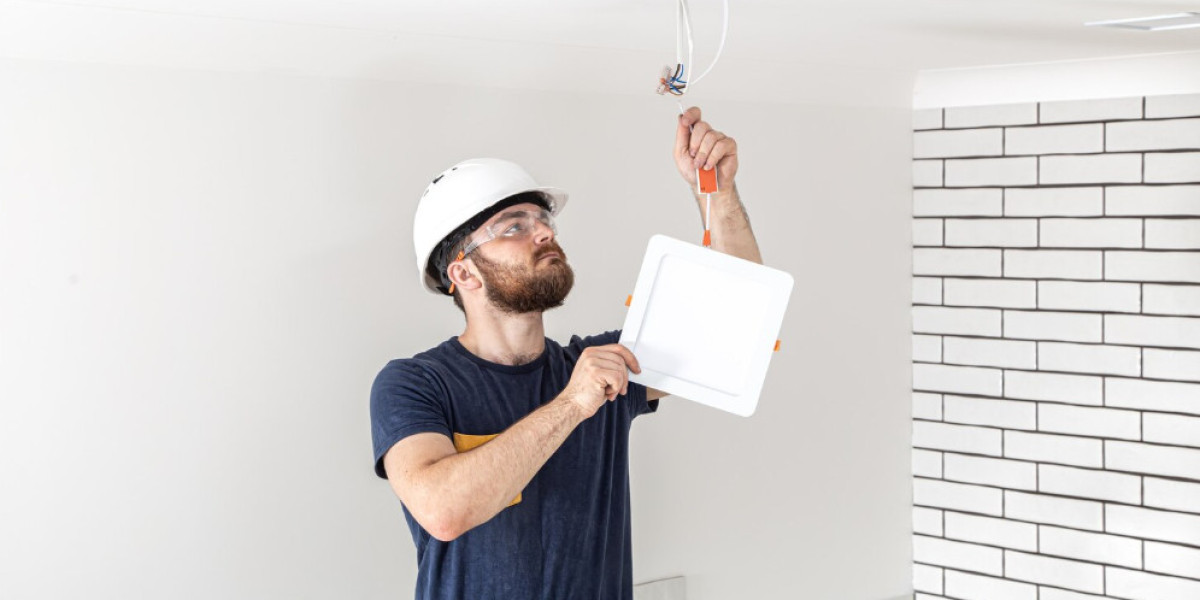
Choosing lighting installation for home safety Issaquah can help homeowners address these visibility concerns. Strategic lighting can make pathways easier to see and help residents identify potential obstacles before walking through an area.
Important Areas for Safety Lighting
Hallways are one of the most useful locations for safety-focused lighting. A continuous pathway with adequate illumination can make nighttime movement easier. Stairways also deserve special attention because each step needs to be clearly visible.
Bathrooms benefit from appropriate lighting around entrances, sinks, showers, and other areas where visibility is important. Kitchens can require task lighting around countertops, sinks, and cooking areas. Entryways should also have sufficient lighting so residents can see the floor, steps, and surrounding area when entering or leaving the home.
Bedrooms can benefit from accessible switches or low-level lighting that provides enough illumination without creating excessive glare. Outdoor pathways and entrances may also need lighting to improve visibility after sunset.
Combining Flooring and Lighting Improvements
Floor safety and lighting work together. A surface with improved traction can still be difficult to navigate if a hallway or staircase is poorly illuminated. Similarly, excellent lighting cannot completely compensate for a slippery surface.
Combining non slip floor treatment Issaquah with thoughtful lighting improvements creates a more comprehensive approach to home safety. For example, a bathroom may benefit from improved floor traction along with brighter, evenly distributed lighting. A staircase can be safer when steps have adequate visibility and the surrounding floor area provides stable footing.
This combined approach can also make a home more comfortable for visitors. Guests may be unfamiliar with the home's layout, making clear pathways and visible floor surfaces especially helpful.
Planning a Home Safety Improvement Project
Before beginning improvements, homeowners can walk through the property and identify areas where accidents are more likely to occur. Look for slippery flooring, dim hallways, poorly illuminated stairs, uneven transitions, cluttered walkways, and areas where water frequently accumulates.
It can be helpful to consider how the home is used during both daytime and nighttime. A room that receives plenty of natural sunlight during the day may still require better artificial lighting after dark.
When considering lighting installation for home safety Issaquah, homeowners should think about placement, brightness, accessibility, and consistency. Lights should provide useful illumination without producing excessive glare or harsh shadows. Controls should also be easy for household members to reach and operate.
Supporting Older Adults and People with Mobility Challenges
Home safety improvements can be particularly valuable for older adults and people who have difficulty maintaining balance or navigating unfamiliar spaces. A safer floor surface may provide additional traction, while well-placed lighting can make obstacles and pathways easier to identify.
These improvements can also support greater independence. When residents can move through important areas of their homes with greater confidence, everyday activities may become easier to manage.
Safety improvements do not necessarily require major remodeling. Smaller changes, such as improving floor traction and upgrading lighting in high-risk areas, can be incorporated into a broader home safety plan.
Creating a Safer Home Environment
A safe home is built through multiple practical choices. Flooring, lighting, organization, maintenance, and accessibility all contribute to the overall environment. Homeowners should regularly inspect areas where conditions may change over time.
Floors should be checked for wear, moisture, loose materials, and other potential hazards. Lighting should also be reviewed periodically to ensure that bulbs, fixtures, switches, and controls continue to provide adequate illumination.
When homeowners combine non slip floor treatment Issaquah with lighting installation for home safety Issaquah, they can address two major aspects of residential safety: traction and visibility. These improvements can be especially useful in bathrooms, kitchens, stairways, hallways, entrances, and other frequently used areas.
Ultimately, home safety is about making everyday movement easier and reducing avoidable hazards. With thoughtful planning and practical improvements, homeowners can create spaces that are more comfortable, accessible, and supportive for everyone who lives in or visits the home.



