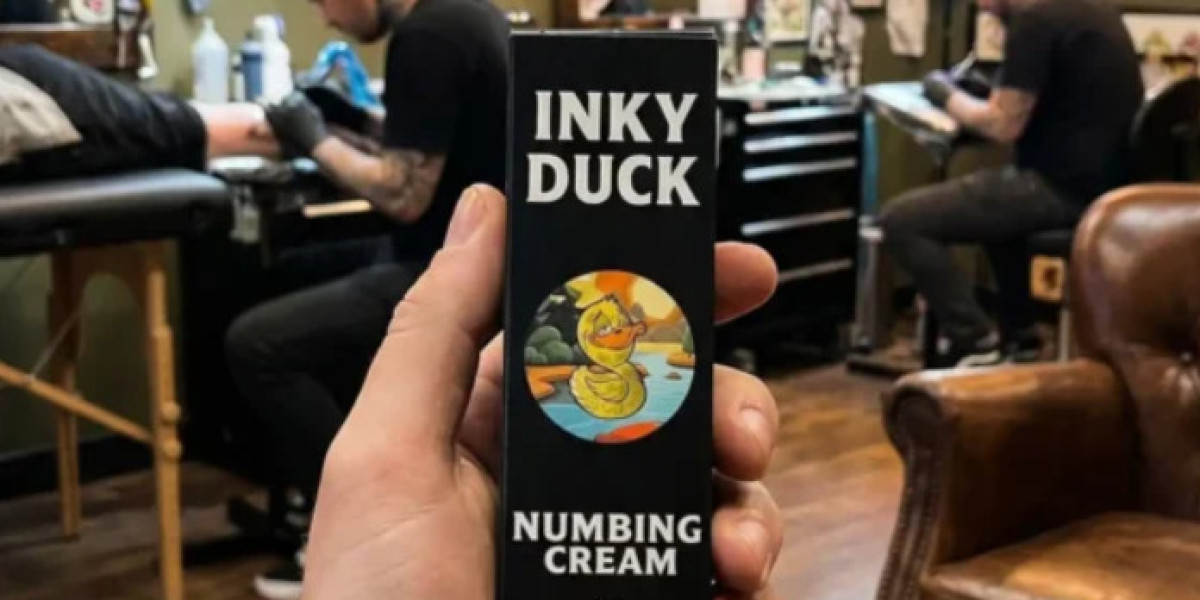

Getting a new tattoo is an exciting experience, but the work does not end when the tattoo session is over. Proper aftercare plays an important role in keeping the tattoo looking clean, comfortable, and vibrant as the skin heals. At the same time, many people think about ways to make their tattoo appointment more comfortable, especially during longer or more detailed sessions. This is where tattoo aftercare cream and numbing creams for tattoos can become useful parts of the conversation.
Understanding how these products are used, what they are designed to do, and when to use them can help you approach your tattoo session with better preparation.
What Is Tattoo Aftercare Cream?
Tattoo aftercare cream is designed to support the skin during the healing process after tattooing. A tattoo creates many tiny openings in the skin, so the area needs gentle care while the skin recovers.
A suitable aftercare product may help keep the skin moisturized and reduce excessive dryness. Many tattoo aftercare creams contain ingredients intended to support the skin barrier, such as moisturizing agents, botanical ingredients, or other skin-conditioning components.
The goal is not to cover the tattoo with a thick layer of product. In most cases, a small amount spread gently over the tattooed area is preferable. Always follow the instructions provided by your tattoo artist and the product manufacturer.
Why Tattoo Aftercare Matters
Freshly tattooed skin can feel sensitive, tight, warm, or irritated. During healing, the tattoo may also become dry and flaky. Good aftercare helps you avoid unnecessary irritation caused by scratching, excessive rubbing, or applying unsuitable products.
Basic aftercare usually includes keeping the tattoo clean, avoiding unnecessary touching, and protecting the area from activities that could interfere with healing. Your tattoo artist may provide specific instructions based on the tattoo's size, placement, and technique.
Avoid picking at peeling skin or scabs. Although it can be tempting to remove flakes, allowing the skin to heal naturally is generally the better approach.
Choosing a Tattoo Aftercare Cream
When choosing a tattoo aftercare cream, look for a product that is appropriate for sensitive or recently tattooed skin. Avoid assuming that a product is suitable simply because it is marketed for general skincare.
Consider the following factors:
- Moisturizing properties: The product should help prevent excessive dryness.
- Skin compatibility: Fragrance-free or gentle formulas may be preferable for sensitive skin.
- Texture: A lightweight cream can be easier to apply without leaving a heavy coating.
- Instructions: Follow the recommended amount and frequency.
- Artist recommendations: Your tattoo artist may have specific aftercare preferences based on their experience.
If you notice increasing redness, swelling, severe pain, pus, fever, or other concerning symptoms, seek medical advice rather than relying on an aftercare cream.
What Is Numbing Cream for Tattoos?
Numbing cream is a topical product intended to temporarily reduce sensation in the area where it is applied. Some tattoo clients consider it before a tattoo session because tattooing can be uncomfortable, particularly during long sessions or on sensitive areas of the body.
Numbing products commonly contain local anesthetic ingredients. However, their strength, ingredients, directions, and legal requirements can vary. It is important to read the label carefully and use the product only as directed.
Not every numbing cream is appropriate for tattooing, and using more product than recommended does not necessarily provide better results.
Finding the Best Numbing Cream for Tattoos
There is no single product that can be called the best numbing cream for tattoos for every person. The appropriate choice depends on factors such as the ingredients, concentration, application instructions, skin sensitivity, tattoo location, and the advice of a qualified professional.
When evaluating a numbing cream, check the active ingredients and concentration listed on the packaging. Follow the manufacturer's directions exactly, including how much to apply and how long it should remain on the skin.
It is also worth discussing numbing cream with your tattoo artist before your appointment. Some artists have preferences about topical anesthetics because they can affect how the skin feels or behaves during a session.
Do not apply a topical anesthetic to broken, infected, or irritated skin unless a healthcare professional specifically advises you to do so. Avoid combining multiple numbing products unless directed by a medical professional.
Tattoo Aftercare Cream vs. Numbing Cream
Although both products are associated with tattoo care, they have very different purposes.
Tattoo aftercare cream is generally used after tattooing to moisturize and protect the healing skin.
Numbing cream is used before or during certain tattoo procedures to temporarily reduce sensation.
One should not automatically be substituted for the other. A moisturizing aftercare cream is not designed to numb the skin, while a numbing cream is not necessarily an appropriate product for ongoing tattoo aftercare.
Understanding this difference can prevent confusion when preparing for a tattoo appointment.
How to Prepare for a Tattoo Session
Good preparation can make your tattoo experience more comfortable. Get adequate rest before the appointment and eat a normal meal unless your healthcare provider has given you different instructions.
Wear comfortable clothing that provides easy access to the area being tattooed. Avoid arriving with irritated or sunburned skin.
If you are considering a numbing cream, talk with your tattoo artist beforehand rather than applying a new product immediately before the appointment without discussion.
You can also prepare your aftercare supplies in advance. Having a suitable tattoo aftercare cream available means you will not need to search for products immediately after leaving the studio.
Common Aftercare Mistakes to Avoid
One common mistake is applying too much cream. More product does not necessarily mean better care. A heavy layer can make the area feel uncomfortable and may interfere with keeping the tattoo clean.
Another mistake is scratching or picking at the tattoo while it heals. Itching can occur during the healing process, but scratching can irritate the skin.
Excessive sun exposure is another concern. Once the tattoo has fully healed, protecting it from ultraviolet exposure can help maintain its appearance over time. During the initial healing period, follow your artist's instructions regarding sun exposure and other activities.
Swimming, soaking, and other activities involving prolonged water exposure may also need to be avoided while the tattoo is healing. Follow the specific guidance provided by your tattoo professional.
Final Thoughts
Tattoo aftercare cream and numbing cream for tattoos serve different purposes, but both can be relevant when planning a tattoo experience. Aftercare cream focuses on supporting comfortable skin healing and maintaining moisture, while numbing cream is designed to temporarily reduce sensation before or during a tattoo session.
Rather than choosing a product based only on a label claiming to be the “best,” examine the ingredients, instructions, intended use, and your individual skin needs. Most importantly, discuss products with your tattoo artist and follow the manufacturer's directions.
With thoughtful preparation and consistent aftercare, you can give your new tattoo the attention it needs while your skin goes through its natural healing process.



